Latécoère selected by Airbus Helicopters to supply cockpit control panels for H175 Full Icing Protection System configuration
Why It MattersIcing-protection upgrades push helicopter makers to extend supplier roles into certified cockpit interfaces, tying all-weather capability for offshore and public-service fleets to the reliability of a small set of avionics partners.
What happened
Latécoère announced on October 13, 2026, that Airbus Helicopters has selected it to supply additional cockpit control panels (Cockpit Control Panels, or CCP) for the H175 helicopter in its new anti-icing configuration, called the "Full Icing Protection System" (FIPS). The press release describes the selection as a contract award.
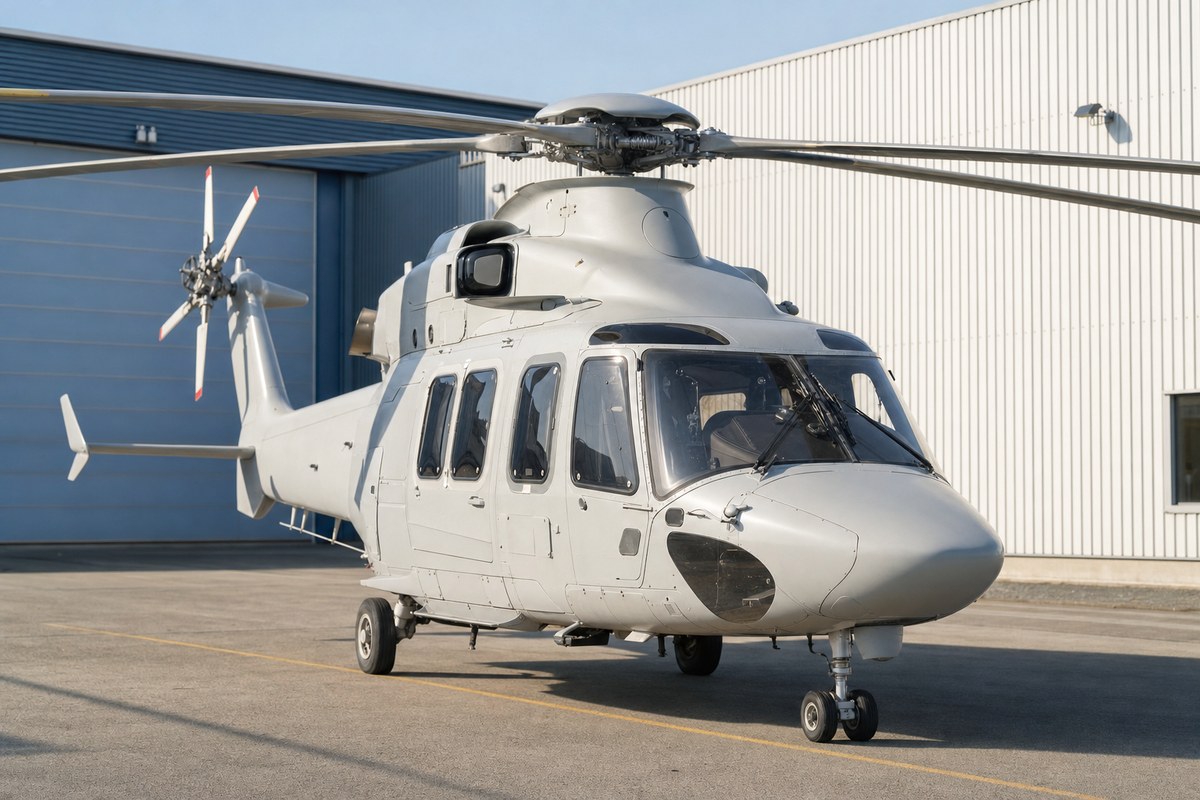
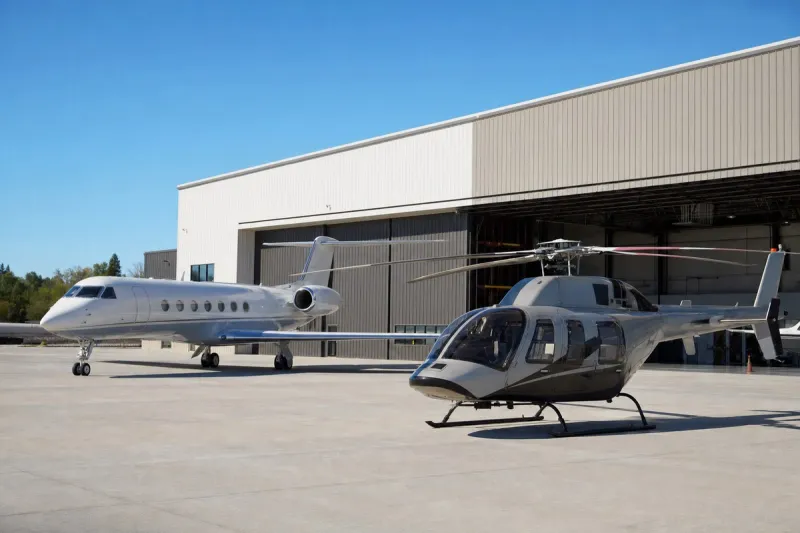
The FIPS configuration was designed to expand the helicopter's operational envelope in icing conditions and to enable operations in demanding weather environments, particularly in regions exposed to harsh climates. The H175 is Airbus Helicopters' twin-engine helicopter in the super-medium category, operated for offshore transport, search and rescue, public service missions and VIP transport.
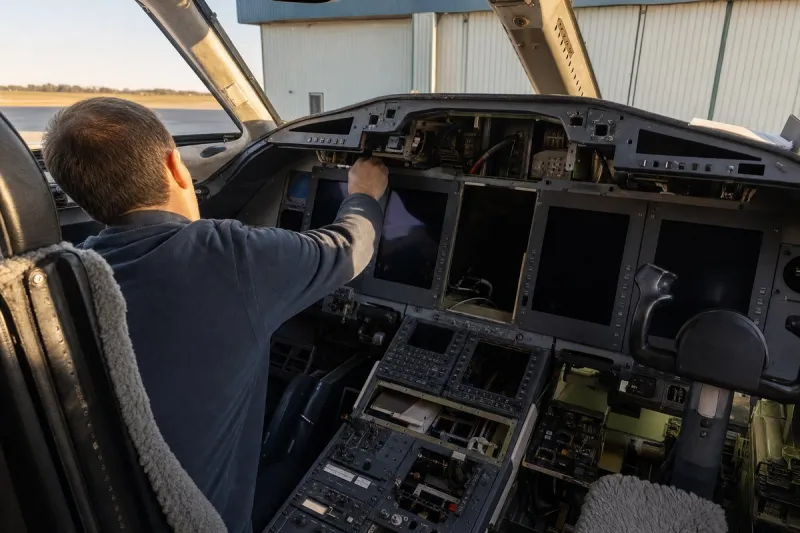
The panels will contribute to the management, monitoring and control of essential aircraft functions and sit at the interface between pilots and onboard systems, so they must meet requirements for reliability, robustness and compliance with certification standards. The Toulouse-based group links this activity to its historical business in wiring systems and onboard equipment.
The award is part of an existing partnership between the two companies. François-Xavier Choussy, head of sales and programs for the EMEA region at Latécoère, said it "marks an important milestone in our relationship and opens a new chapter in our collaboration." Latécoère is listed on the B compartment of Euronext Paris and is present in 13 countries. It employed more than 6,000 people in 2025 and reported turnover of 756.7 million euros for that fiscal year.
Industry impact & what to watch
Icing capability is a gating factor for helicopter missions in cold, humid regions, which is where offshore transport and search-and-rescue work often concentrates. A configuration built to widen the icing envelope changes what the airframe can be tasked to do, and every control surface the crew uses to manage it falls under certification scrutiny. That is why a cockpit panel, a modest piece of hardware in cost terms, carries outsized weight in a program like this.
For suppliers, the pattern is that an incumbent partner with wiring and onboard-equipment experience is well placed to be handed adjacent interface hardware when an OEM adds a variant. Qualified, certified cockpit components are slow to substitute, so awards of this type tend to deepen existing relationships rather than open competitions anew.
The next verifiable signals are on the airframe side: Airbus Helicopters confirming FIPS availability on H175 deliveries or retrofits, and operators in icing-prone regions publishing how the configuration alters their mission planning.