FAA and EASA Pledge Closer Cooperation as Commentary Urges Drone Regulatory Interoperability for BVLOS Operations
Why It MattersCompatible assessment methods across the Atlantic could cut repeated validation costs for drone and detect-and-avoid manufacturers, though each authority would still approve operations on its own terms.
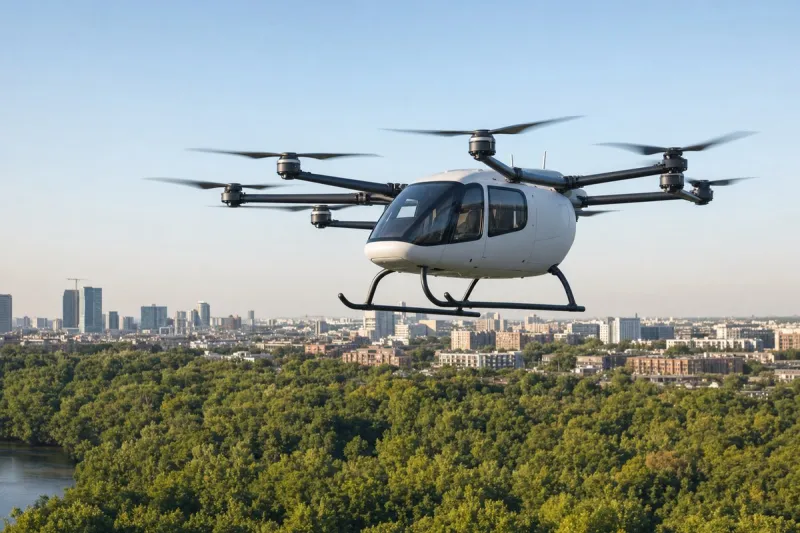
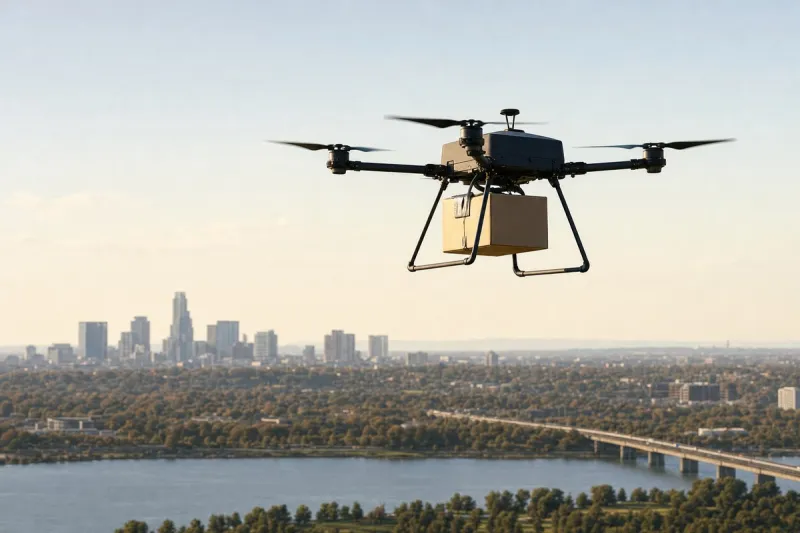
At their annual safety conference in Virginia in June 2026, the Federal Aviation Administration (FAA) and the European Union Aviation Safety Agency (EASA) pledged closer cooperation, ranging from sharing operational data to streamlining approvals for advanced aviation technologies. A commentary published by Commercial UAV News argues that this cooperation could support routine, scalable Beyond Visual Line of Sight (BVLOS) drone services.
The two agencies take different approaches. In Europe, Regulation (EU) 2019/947 organizes drone operations by risk category; operations in the specific category generally require an operational authorization supported by the Specific Operations Risk Assessment (SORA), a methodology developed by JARUS and adopted by EASA as an acceptable means of compliance. SORA 2.5 treats ground risk more quantitatively. In the United States, advanced BVLOS operations have traditionally been accommodated through waivers and exemptions, and the FAA's Part 108 framework was proposed in August 2025.
The author proposes regulatory interoperability rather than harmonization: compatible safety assessment methodologies, common approaches to operational evidence, shared terminology and coordinated evaluation of critical technologies. A detect-and-avoid manufacturer, for example, might otherwise repeat expensive validation when testing protocols differ between jurisdictions. Interoperability is not automatic recognition: a European authorization does not permit the same operation in the United States, and an FAA approval does not establish compliance with European requirements.
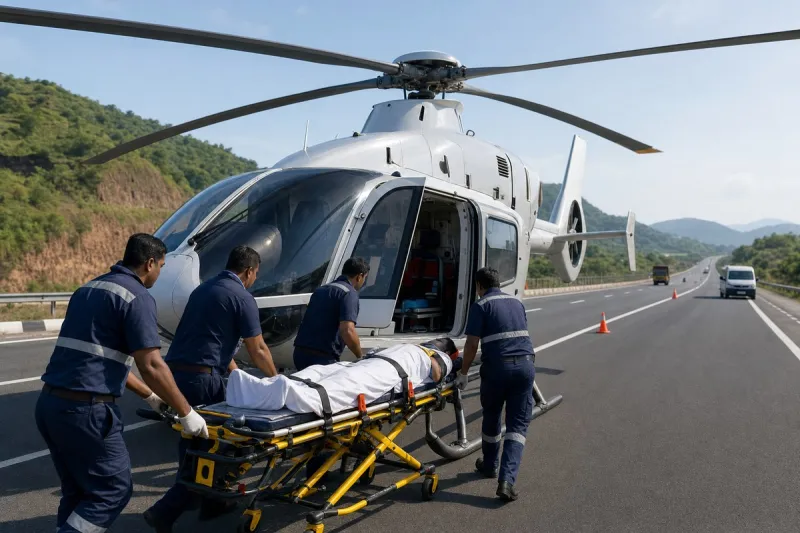
Both agencies have published roadmaps for artificial intelligence in aviation. Differences in how AI-based autonomy software is evaluated could become a bottleneck, and the EU Artificial Intelligence Act creates legal obligations that cooperation would not eliminate. The piece cites potential uses in medical logistics, emergency response and infrastructure inspection, including a September 2026 incident in which drones helped a climber stranded 77 meters up a cliff face in Squamish, British Columbia.