eAvio Adds Seaplane Takeoff and Landing Support to Its Aviation Management Platform
Why It MattersSoftware built for land-based flight schools is being stretched to cover water-based niches, which suggests management platforms are competing on how many operating environments one account can hold.
What happened
eAvio has announced that its aviation management platform now supports seaplane takeoff and landing operations. The addition brings flight schools, organizations and tour operators that fly water-based aircraft into the same digital system already used for land-based flight operations across much of Europe, Asia (including India) and Africa, covering scheduling, tracking and record-keeping.
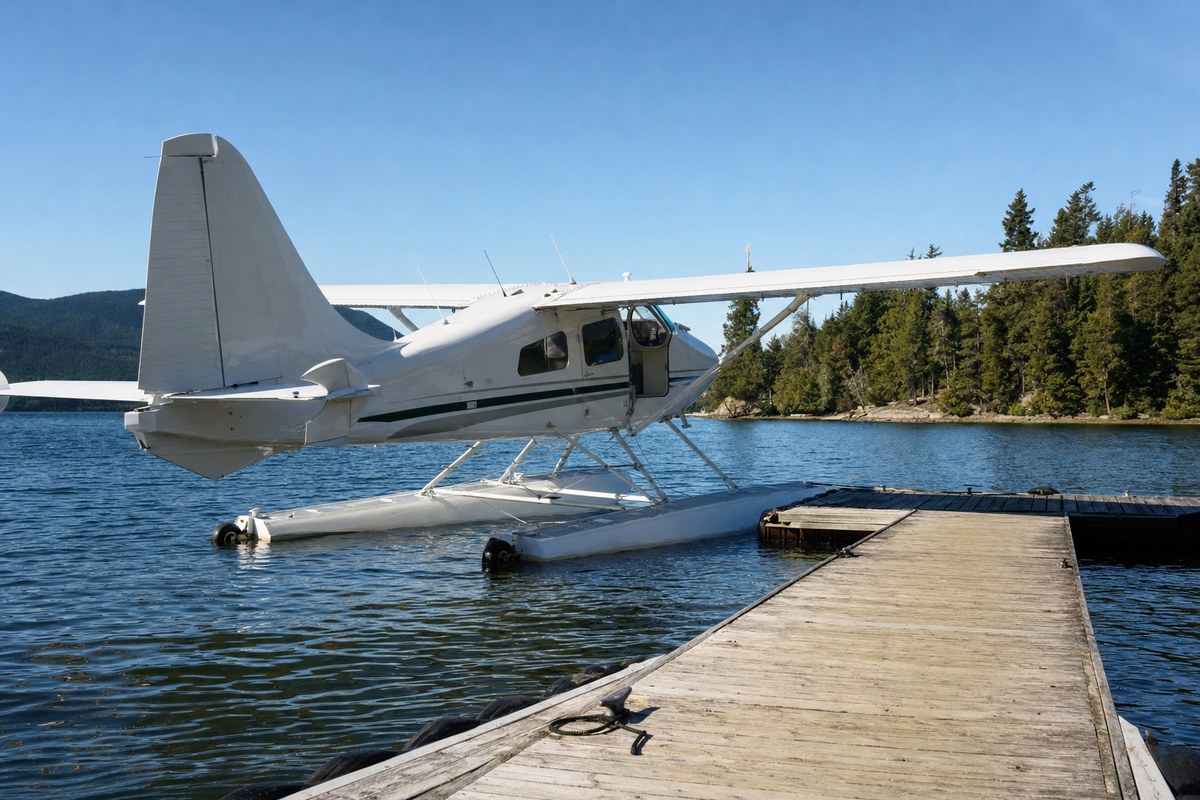
The platform generates flight logs automatically from takeoff and landing data and provides GPS-based tracking across an operator's fleet. With seaplane support, these tools now extend to water-condition scheduling and maintenance tracking for float aircraft, giving operators visibility across land and water fleets without switching between separate systems. Flight school guidance notes that pilots training on seaplanes and amphibious aircraft must read wind, waves, reflections, currents and boat traffic before every landing.
eAvio says it currently supports an operator running both land-based and water-based airfields within a single flight school, with maintenance scheduling, billing and flight tracking handled from one central account. A company representative said the administration interface has also been redesigned, with dark mode, global search, improved navigation, additional filters and a more informative dashboard, so that everyday administrative tasks require fewer clicks.
The company is also working to connect the platform to other specialized aviation niches, including fire brigade air support activities. eAvio is based at Jadranska cesta 28, Maribor, Slovenia.
Industry impact & what to watch
Flight-operations software has mostly been written around runway-based fleets, and water-based flying carries its own scheduling variables: wind, waves, currents and boat traffic all shape whether and when a float aircraft can operate. A seaplane operator that also runs land aircraft has traditionally had to split its records across tools or fall back on manual processes. Folding both into one account is a bid to remove that split, and it reflects a wider habit among management-software vendors of widening coverage into small operating niches that are too limited to justify a dedicated product.
The stated move toward fire brigade air support points the same way. For vendors in this segment, the commercial logic is that the core modules of scheduling, billing, tracking and maintenance can be reused across very different operations, so each new niche adds customers without rebuilding the product. The test of that logic is how well a general platform handles the specifics of each niche, such as water-condition scheduling for floats.
The next concrete marker is the fire brigade air support connection eAvio says it is working on; how that integration is delivered will show whether the niche-by-niche approach holds beyond flight schools and clubs.