Wisconsin Survey Maps 17 Advanced Air Mobility and Drone Entities as State Has No AAM Plan
Why It MattersStates without an AAM plan or federal program seats tend to see activity concentrate in police drone programs, with planning arriving through a single agency study rather than legislation.
What happened
A survey of Wisconsin's advanced air mobility and drone industry maps 17 companies, public bodies and schools, each with a status and the date it was last checked. Wisconsin is the forty-fifth US state covered in the series.
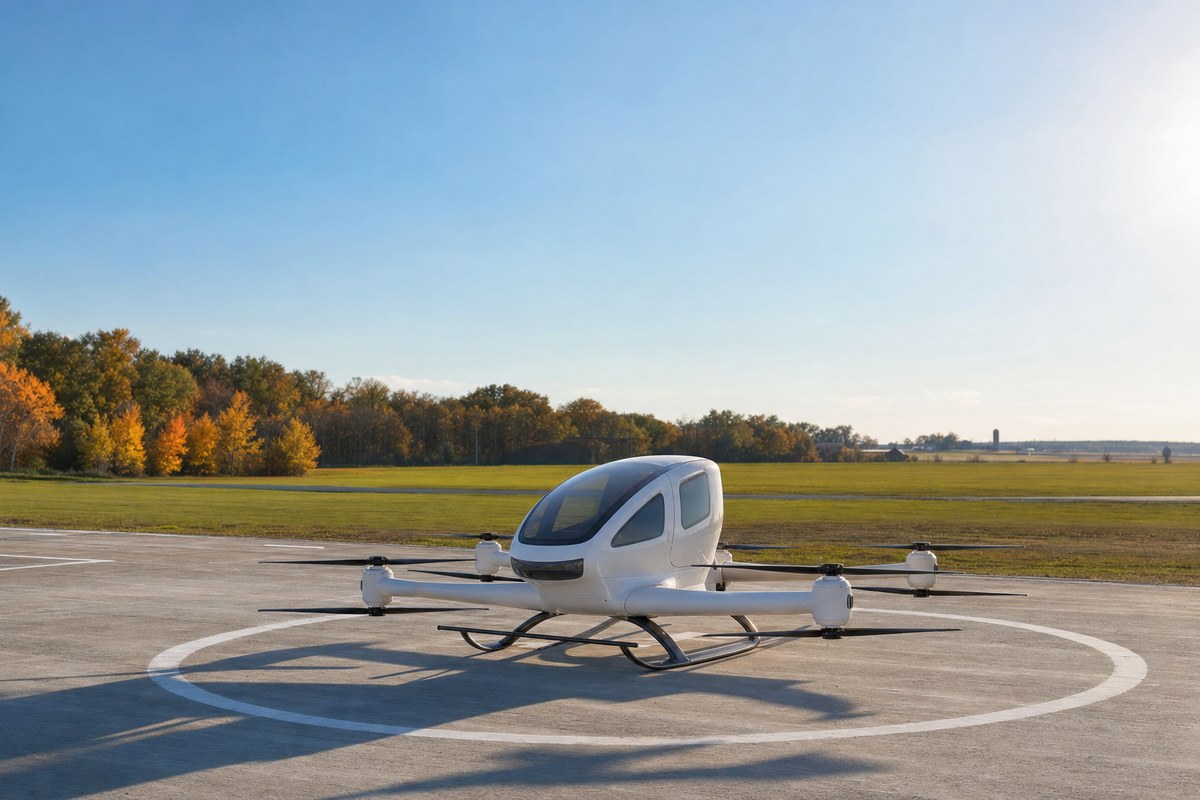
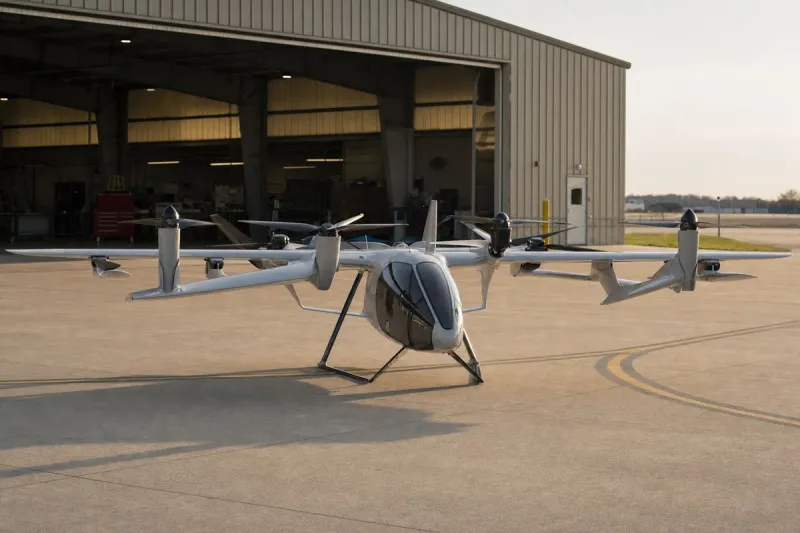
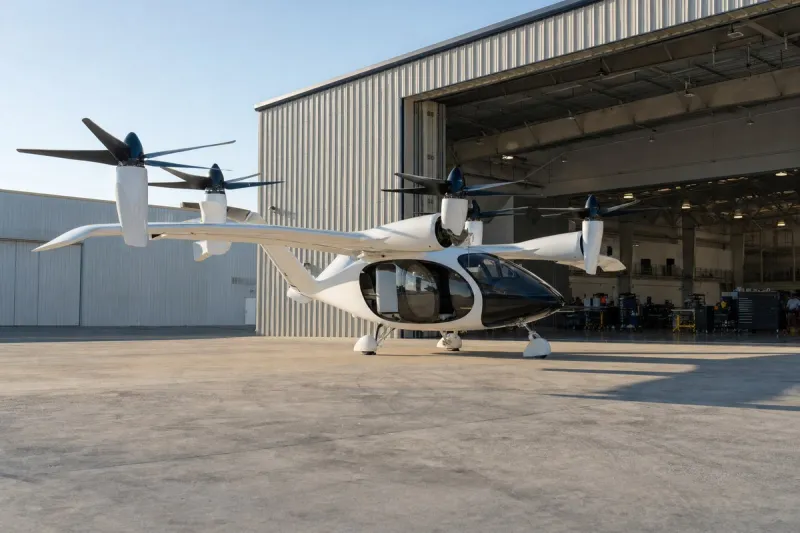
Wisconsin has no advanced air mobility plan. The aviation bureau of the Wisconsin Department of Transportation (WisDOT) is accepting letters of interest from consultants until 16 October 2026 for a state-funded study that would identify up to 10 early-adopter airports and rural uses such as medical transport. The state holds no eIPP lead, BEYOND seat or FAA test site, although its transportation department belongs to a national forum of state aviation agencies on the subject.
State law limits police use of drones and, since April 2026, restricts drones over schools and utility sites. A 2024 vertiport bill died without a committee vote. Wisconsin is one of the states suing the FAA over its environmental review of drone delivery.
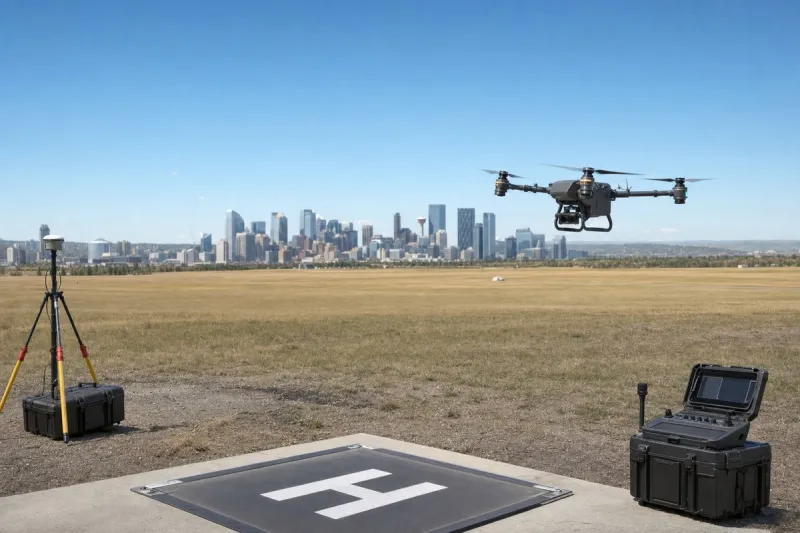
Milwaukee police launched a drone-as-first-responder pilot in January 2026. An audit by the city's Fire and Police Commission found 201 entries on its flight dashboard that month, 44 of them tests. Madison and Green Bay police and the Dane and Manitowoc county sheriffs report drone flights in 2025 and 2026, and the Department of Natural Resources lists nine drones. No dated flight was found for the State Patrol, Waukesha police or the Waukesha and Brown county sheriffs, and Grand Chute's drone first responder program is known only from local press.
Dane County holds 6 of the 17 mapped organizations. Wisconsin ranks 14th of 46 states by active organizations (10, tied) and 19th of 42 by share operating (59%). Neighboring surveys cover Minnesota, Michigan and Illinois.
Industry impact & what to watch
Wisconsin's profile is that of a state where public-safety drone use has moved ahead of any aviation-side planning. Police and sheriff flights are the dated, verifiable activity, while the passenger-carrying and delivery side of advanced air mobility has no state framework, no federal program seat and, in the survey, no eVTOL maker or delivery service. That split is common in states whose first real exposure to the technology comes through law enforcement budgets rather than through airport or economic-development agencies.
The Milwaukee audit figures illustrate a second point about the segment: a flight dashboard counts activity, but not all of it is operational. With 44 of 201 entries marked as tests in the pilot's first month, raw flight counts say little about how mature a first-responder program is, and the gaps for the State Patrol and several Waukesha and Brown county agencies show how much of the picture depends on what agencies choose to publish.
The next dated milestone is the 16 October 2026 deadline for consultant letters of interest on the WisDOT study. Who is selected, and whether the study's list of up to 10 early-adopter airports and rural use cases turns into a formal state plan, will determine whether Wisconsin's planning gap narrows.