CUTR Researchers Introduce AAMSim Simulation Platform for Advanced Air Mobility; Tampa Bay Test Halves Passenger Reneging
Why It MattersTools that evaluate whole-network performance rather than single issues like corridors or airspace could let eVTOL planners and regulators test fleet and vertiport decisions before committing to physical infrastructure.
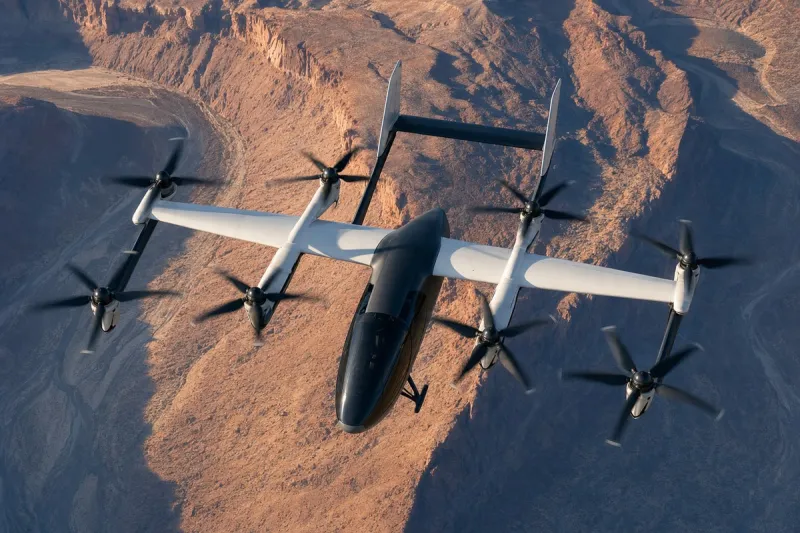
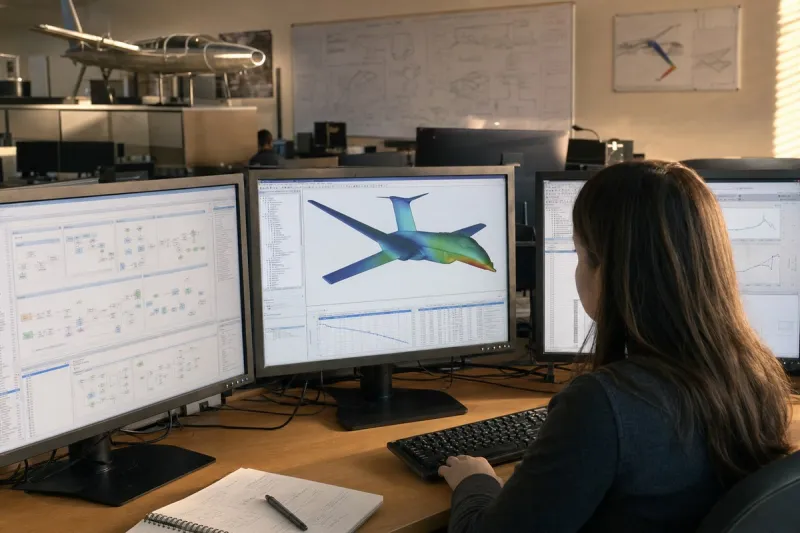
A new study by Yu Zhang, PhD, Program Director of the Advanced Air Mobility (AAM) program at CUTR, and Bai Li, PhD, published in Transportation Research Part C: Emerging Technologies, introduces AAMSim, a simulation platform designed to support the planning, testing and optimization of future AAM systems. It is an AnyLogic-based, multi-agent platform that models both passenger and aircraft operations across an AAM network. It can generate custom networks from user-defined vertiport locations, passenger demand patterns and electric vertical takeoff and landing (eVTOL) aircraft characteristics, and it captures the full passenger journey, including passenger behavior within vertiports. The researchers say many existing tools focus on single issues such as flight corridor planning, conflict management or airspace analysis, and lack system-wide performance evaluation.
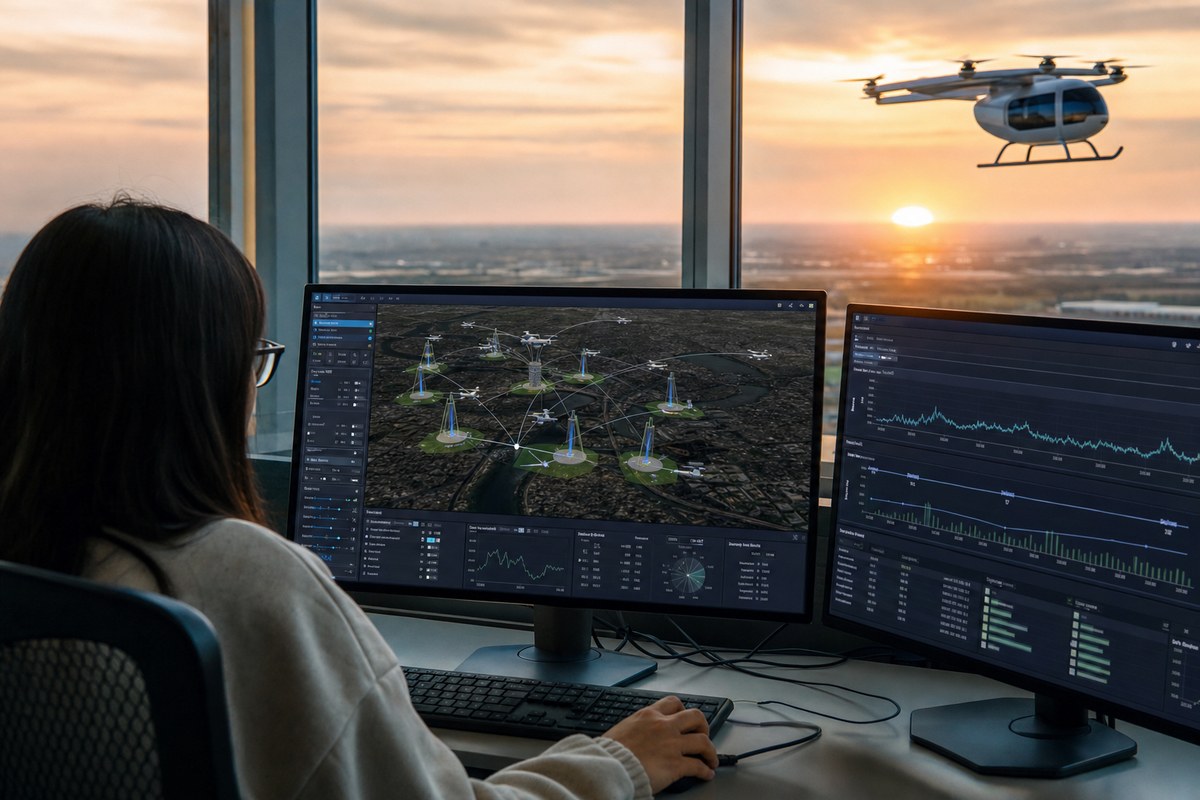
To demonstrate the platform, the team applied it to a simulated AAM network in the Greater Tampa Bay region and evaluated two strategies: an early-takeoff policy and an eVTOL rebalancing algorithm that positions aircraft where passenger demand is highest. Implemented together, the strategies cut the passenger reneging rate, which counts travelers who abandoned trips because of excessive waits, from 52.13% to 26.78%, nearly halving passenger losses. The improvement came without reducing overall flight productivity, and the researchers also reported network-wide improvements in passenger waiting.
The researchers say the platform lets planners, infrastructure developers, regulators and operators test decisions on network design, vertiport locations, fleet sizing and operational policies before investing in physical infrastructure or launching services.