Monterey Bay Region Builds $7.45 Million Multi-Airport Advanced Air Mobility Corridor Network as Joby, Wisk and Archer Test on Central Coast
Why It MattersRegional corridor networks suggest advanced air mobility will scale where test ranges, factories and public funding already cluster, so proving-ground geography may shape where eVTOL and drone operations first become routine.
What happened
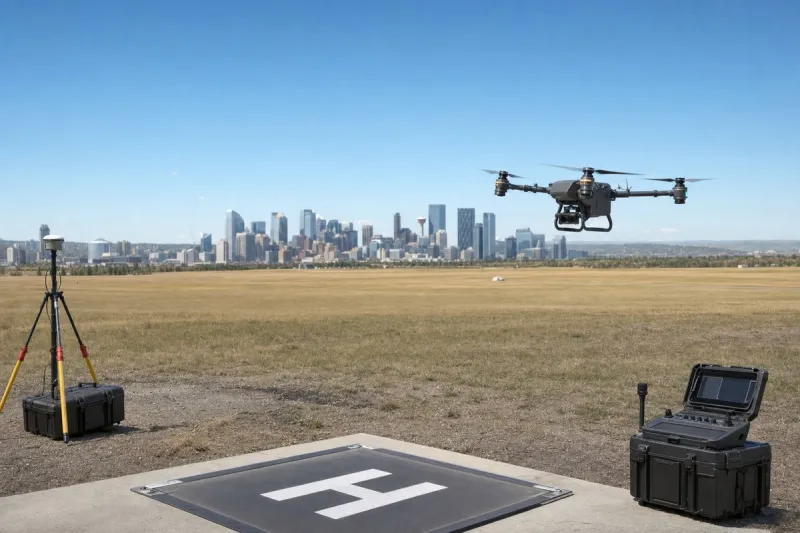
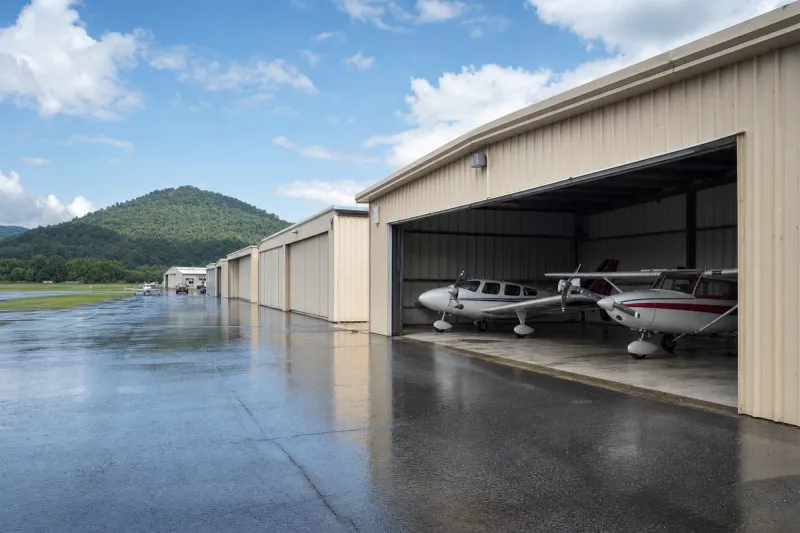
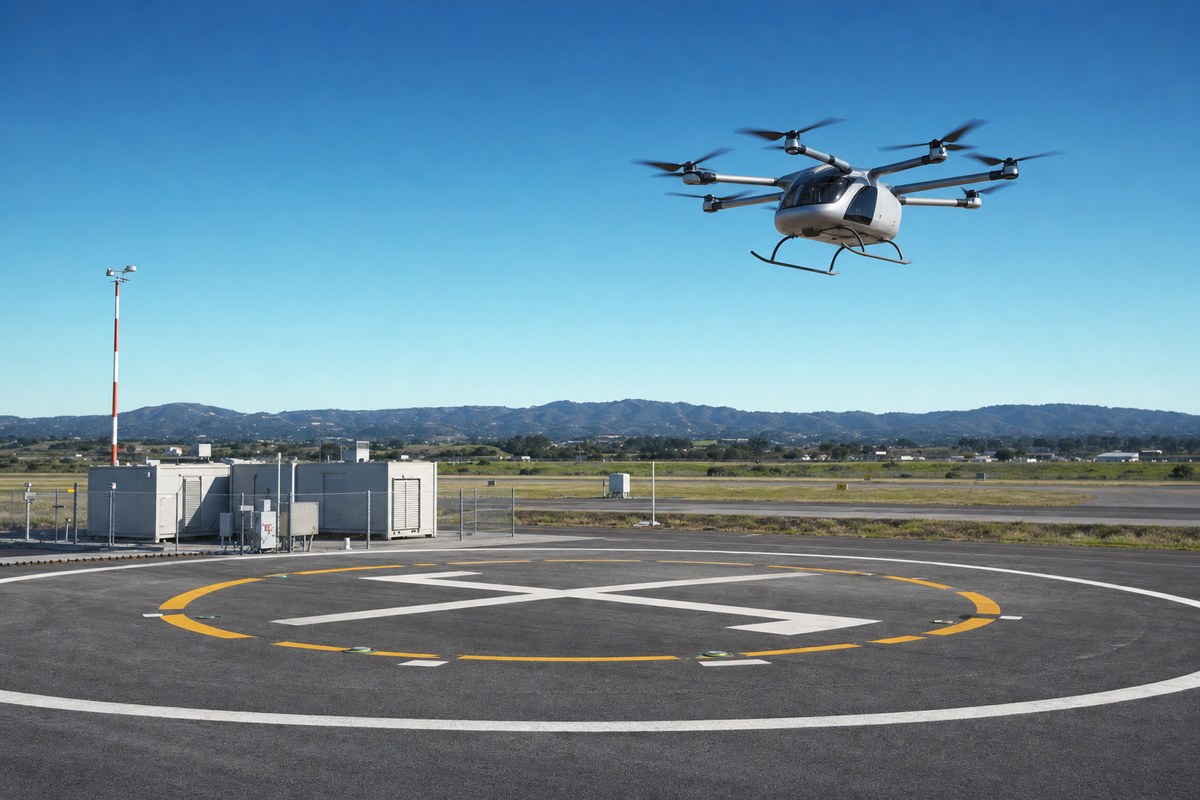
A $7.45 million investment, led by the Monterey Bay Economic Partnership, will develop California's first FAA-compliant multi-airport advanced air mobility (AAM) corridor network, connecting Watsonville, Marina, Salinas and Hollister. The aim is to create the infrastructure and operating environment needed to test and ultimately scale advanced aircraft and drones across the region.
The project follows federal moves in 2025 directing the Federal Aviation Administration to expand advanced drone operations, accelerate beyond-visual-line-of-sight capabilities, make greater use of UAS test ranges and establish an eVTOL Integration Pilot Program. In 2026 the FAA selected eight public-private partnerships for that program and expanded its BEYOND program to support additional advanced drone operations.
A new regional prospectus, The Central Coast: Built to Prove What's Next, was released by Uplift Central Coast, a coalition convened by REACH, the Monterey Bay Economic Partnership and the Economic Development Collaborative. It says the six-county Central Coast ecosystem includes more than 7,000 firms and 80,000 jobs across its broader aerospace and autonomous systems value chain.
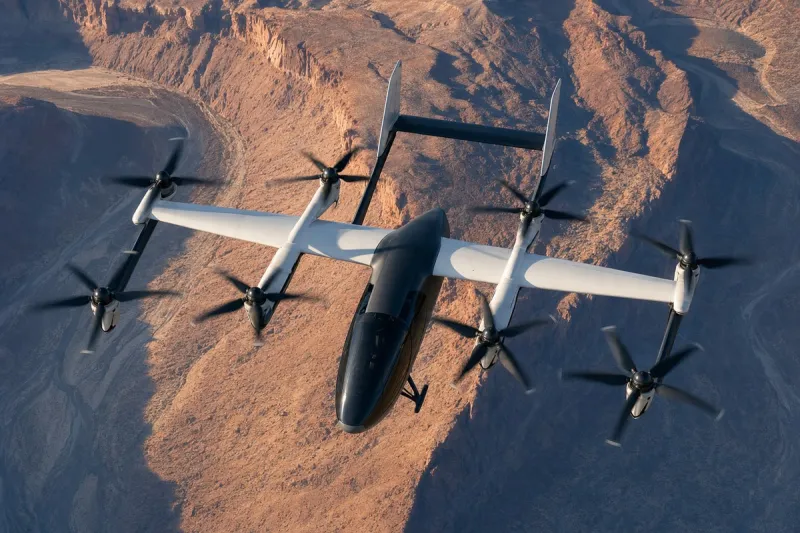
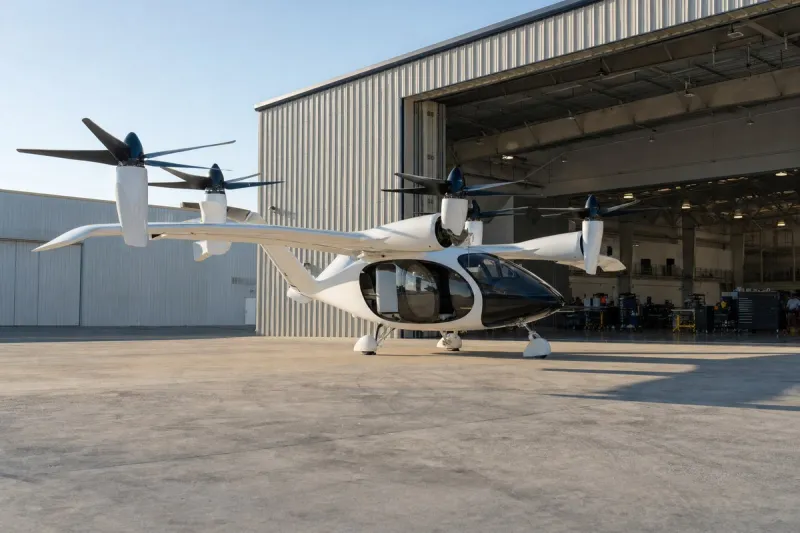
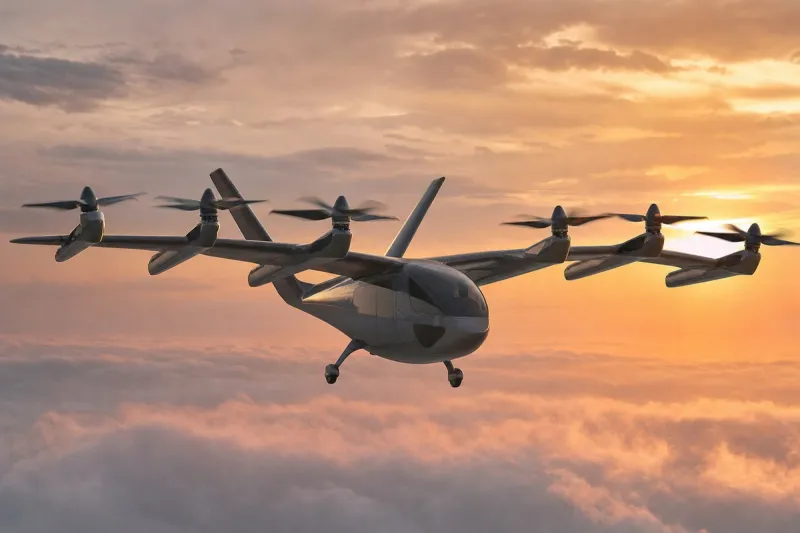
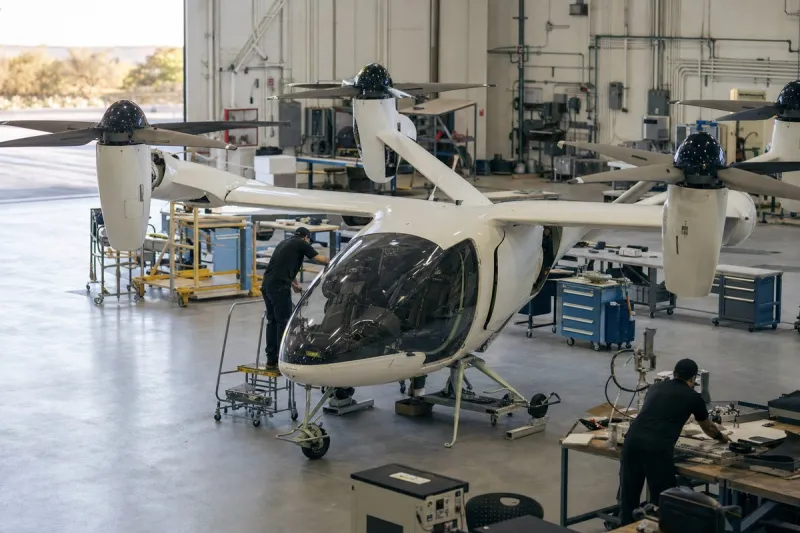
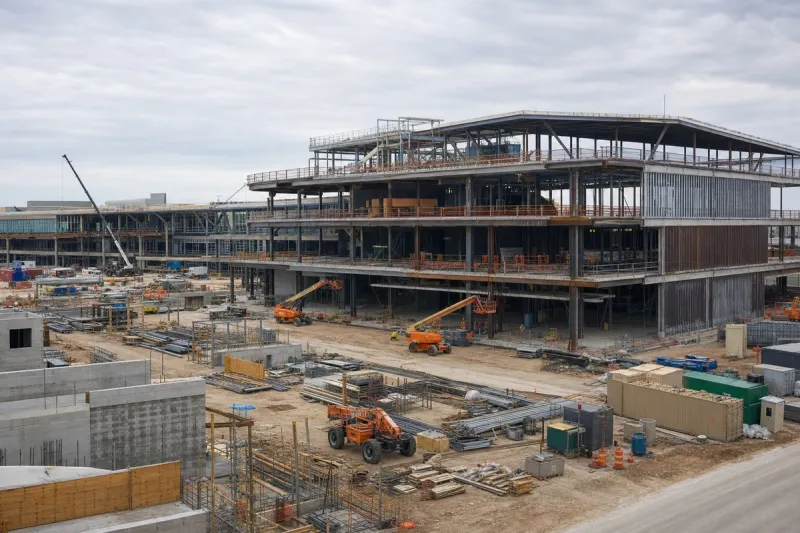
In Marina, Joby Aviation completed a 226,000-square-foot manufacturing and testing facility in 2025 and plans to expand California production capacity. Hollister hosts Wisk's flight-testing program for its sixth-generation autonomous eVTOL aircraft, which made its first flight there in December 2025, with a vertiport under construction. Salinas has been Archer's flight-test base since 2021, and its Midnight aircraft has completed piloted round-trip flights between Salinas and Hollister and between Salinas and Monterey.
Beyond the region, Skydio announced plans in 2026 to invest $3.5 billion in U.S. manufacturing, R&D and domestic supply chains, projecting more than 2,000 new jobs. Joby is expanding production in California and Ohio and has a strategic manufacturing partnership with Toyota. Archer is advancing FAA certification, is expanding into defense applications and has been selected as the official air taxi partner for the LA28 Olympic and Paralympic Games.
Industry impact & what to watch
A corridor network that links several airports under one federal-compliant framework addresses a gap that single-site test programs leave open: eVTOL and drone operations need routes, landing sites and operating rules that work between places, not only at one base. Archer's piloted flights between Salinas, Hollister and Monterey already resemble that point-to-point pattern, and a funded network gives such flying a shared structure.
The Central Coast also shows how advanced air mobility tends to cluster. Manufacturing capacity, flight-test activity and public money sit within the same few counties, which lowers the cost of iterating on aircraft and operating procedures. For other regions competing for the same federal attention, the lesson is that test-range access and local manufacturing weigh heavily alongside airspace approvals.
The author, Monterey Bay Economic Partnership president and CEO Tahra Goraya, ties the next phase to workforce pipelines, supply chains and infrastructure built now, with smaller communities and local entrepreneurs included. The milestones that would show whether the corridors move from plan to operation are the Hollister vertiport reaching completion and the FAA's eVTOL Integration Pilot Program partnerships beginning operations.