San Antonio Airport's $866 Million Bond Sale Draws $3.9 Billion in Orders as Terminal C Cost Rises to $1.7 Billion
Why It MattersHeavy investor demand shows that a settled anchor-carrier gate commitment can outweigh cost growth and softer traffic when the market prices airport debt, since revenue bonds lean on airline agreements.
What happened
San Antonio International Airport (SAT) issued $866.44 million in airport revenue and refunding bonds in July 2026 to help finance its new Terminal C. Orders totalled about $3.9 billion, roughly $4.50 for every dollar offered. Of the 78 participating institutions, 61 were new investors in the airport's debt.
The bonds are backed by airport revenue, which depends on factors such as airline agreements, financial reserves and debt service coverage. The sale supports SAT's $2.5 billion Elevate/SAT capital improvement plan.
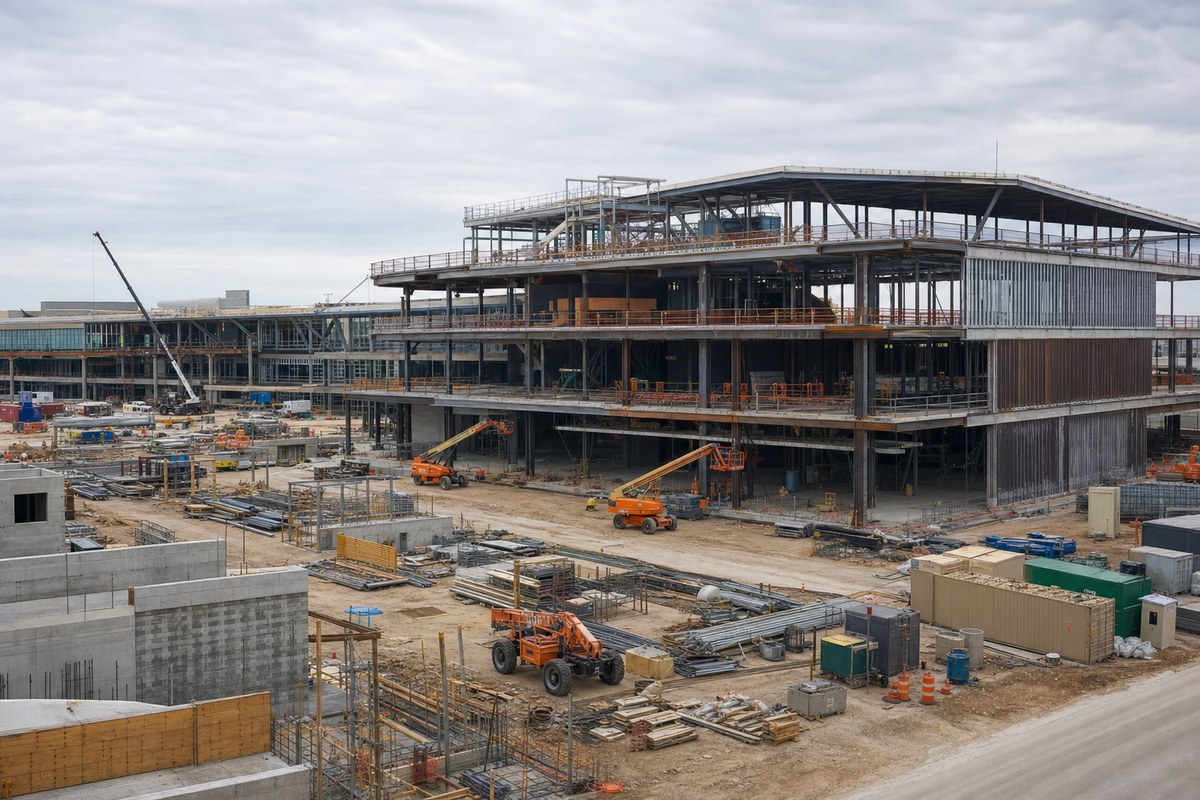
The airport broke ground on Terminal C in December 2024 and the project is roughly 25% complete. A topping-off ceremony is projected before the end of fall 2026, with opening expected in the second quarter of 2028. Terminal C will be SAT's third airline terminal, with up to 18 gates, domestic and international capability, a Federal Inspection Station (FIS) and a larger central screening area.
In May 2026, Southwest Airlines, SAT's largest carrier with about 37% market share, settled with the City of San Antonio. Southwest had sued the city in 2024, alleging it failed to honor verbal commitments on Terminal C gate allocations. Under the settlement, the city approved an Airline Use and Lease Agreement guaranteeing Southwest at least three gates in Terminal C and three gates in the updated Terminal B.
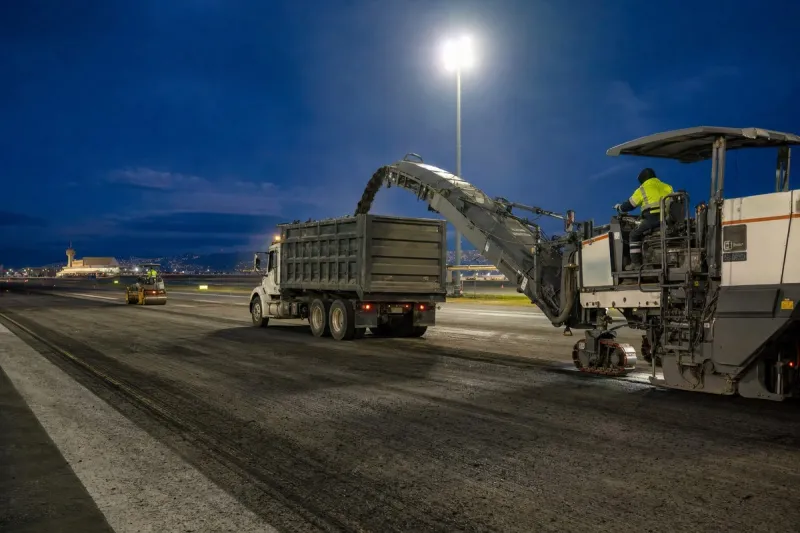
SAT also completed a new Ground Load Facility for Terminal A in March 2026 and plans to renovate Terminals A and B, extending their useful lives past 2048, along with roadway and airfield safety improvements.
Cost growth and traffic
Terminal C's estimated cost has moved from $1 billion in the 2023 estimate to $1.4 billion at the time of the bond sale. The most recent estimate is $1.7 billion, attributed to scope changes.
Passenger numbers dipped slightly in 2025 and again in the first six months of 2026 compared with the same period a year earlier. The airport's 2024 record was just over 11 million passengers, against a goal of about 14.5 million annually by 2040.
Industry impact & what to watch
Airport revenue bonds are priced on the strength of the carrier contracts behind them, and this sale shows how much a resolved dispute with an anchor airline can matter. Southwest's guaranteed gates removed a contested allocation question from a terminal being built for a carrier that holds about 37% of the airport's traffic. Orders of roughly $4.50 per dollar offered, with 61 first-time buyers of the airport's debt, came despite a cost estimate that has grown by $700 million since 2023 and two consecutive periods of softer passenger counts.
For mid-size hubs planning large terminal programmes, the pattern is that lease terms and gate commitments are settled before the financing is marketed, because investors read them as the practical backstop for debt service. Cost escalation of this kind is common when scope changes mid-build, and it tends to shift the question from whether capital is available to whether traffic grows fast enough to carry the larger debt load.
The next verifiable milestone is the topping-off ceremony projected before the end of fall 2026, followed by the second-quarter 2028 opening. Whether traffic moves from just over 11 million toward the 14.5 million goal will determine how comfortably the larger project cost is absorbed.