PALH Lake Hood Airport, Anchorage: One 2,200-ft Gravel-Dirt Runway, Towered Class C Field with Seaplane Pattern Overlap
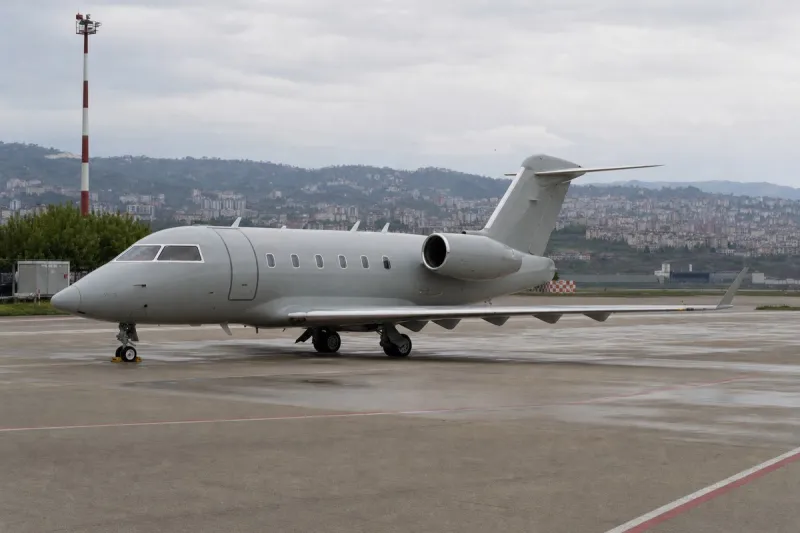
Why It MattersPALH shows how a small gravel field can operate inside Class C airspace, with weight limits and shared seaplane patterns, which confines it to light aircraft rather than business jets.
Lake Hood Airport (ICAO: PALH) is in Anchorage, Alaska, at an elevation of 79.3 ft MSL. It has a single runway, 14/32, which is 2,200 ft long, surfaced with gravel-dirt and limited to aircraft with a gross weight of 9,000 lb or less. The traffic pattern altitude is 679.3 ft MSL (600 ft AGL). Obstructions include a 68-ft tree on runway 14 and a 78-ft tree on runway 32.
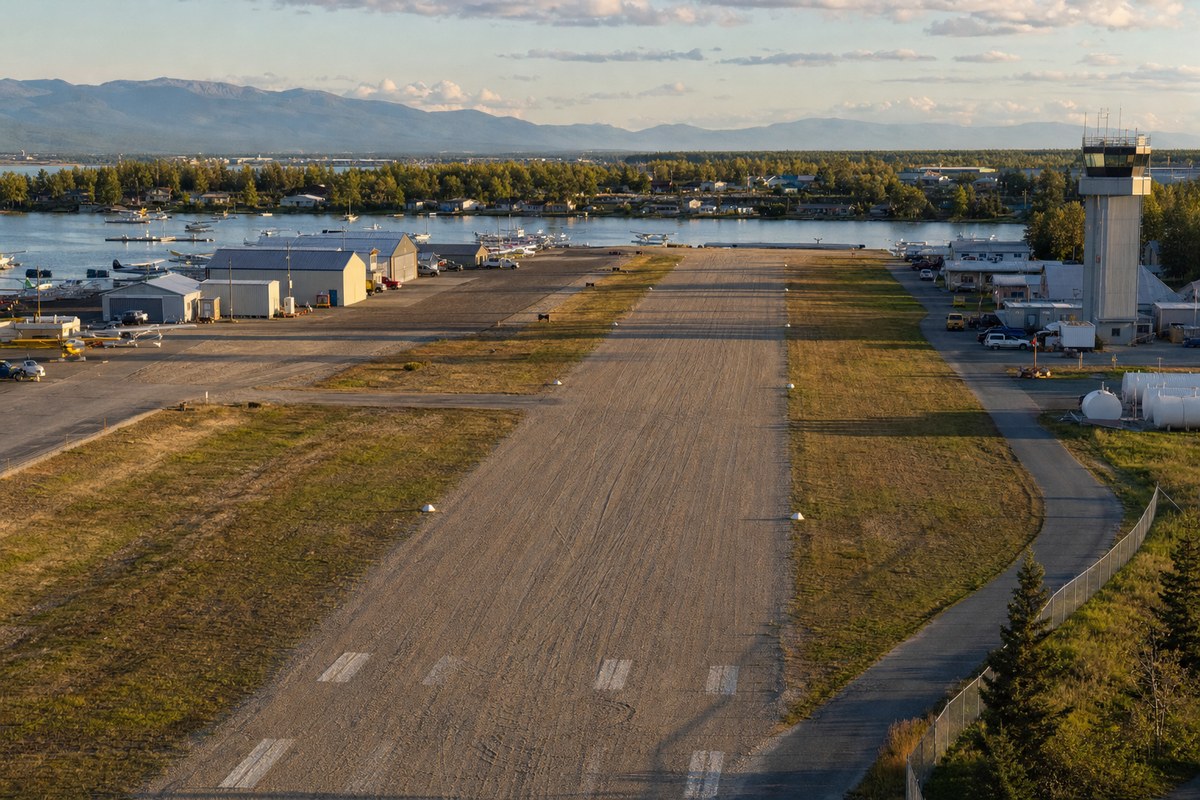
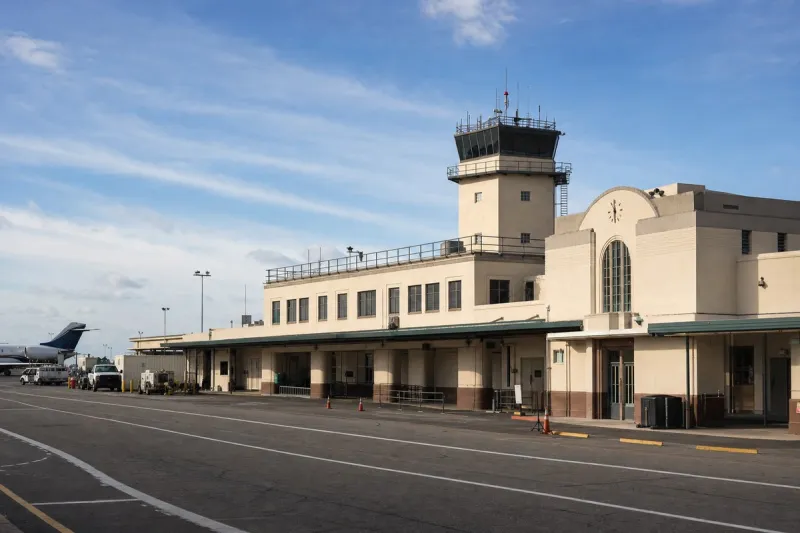
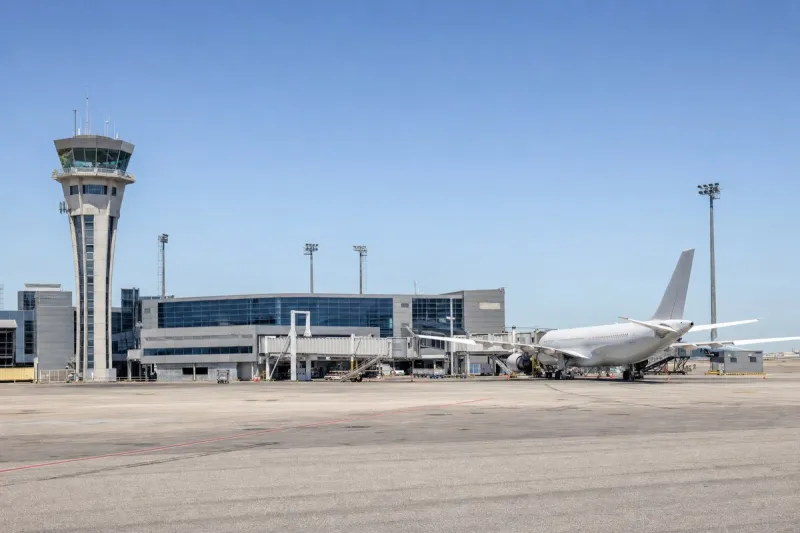
The field is towered, with the tower operating 24 hours and operations reverting to CTAF after hours. It sits within the Anchorage Class C environment and has eight published frequencies, including Anchorage approach/departure on 119.1 and 363.2. No ILS approaches are published, and magnetic variation is 13°.
Published remarks say the runway 14/32 traffic pattern overlaps the seadrome pattern, so mixed seaplane and landplane operations are expected, and floating debris is noted on the lake. Non-radio operations require prior permission, and night non-radio operations are not authorized. Taxiway gates on H-2, Lakeshore and Taxiway V are prior-permission-required. Fuel is available at the runway 14/32 transient parking and at the FBO.
The most recent conditions listed were VFR, wind from 090° at 5 kt, an overcast ceiling at 6,000 ft AGL and density altitude of -924 ft, with runway 14 favored. PALH does not issue its own TAF; the forecast shown is from the nearest station, PANC (Ted Stevens Anchorage International), 1.2 NM away.