Drones and eVTOLs Move Into Healthcare Logistics as Organ, Blood Sample Trials Expand
Why It MattersHealthcare is emerging as an early commercial proving ground for advanced air mobility, though routine beyond-visual-line-of-sight operations still depend on regulatory and airspace frameworks that do not yet exist.
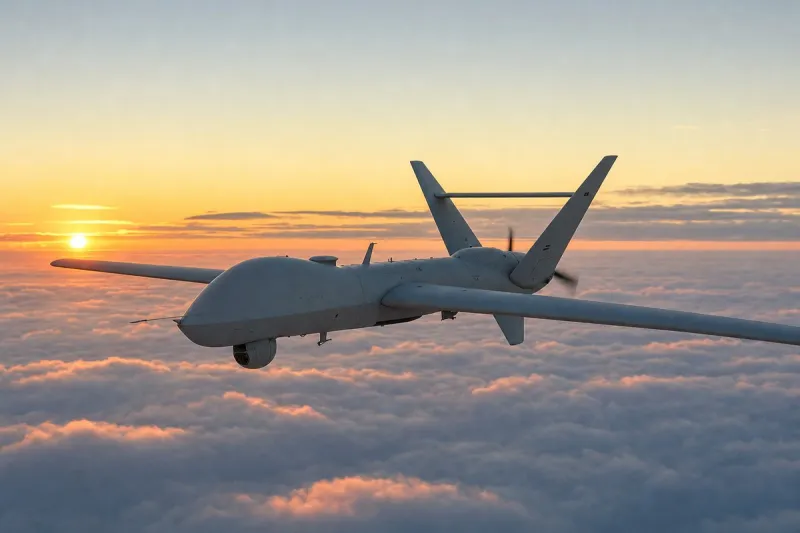
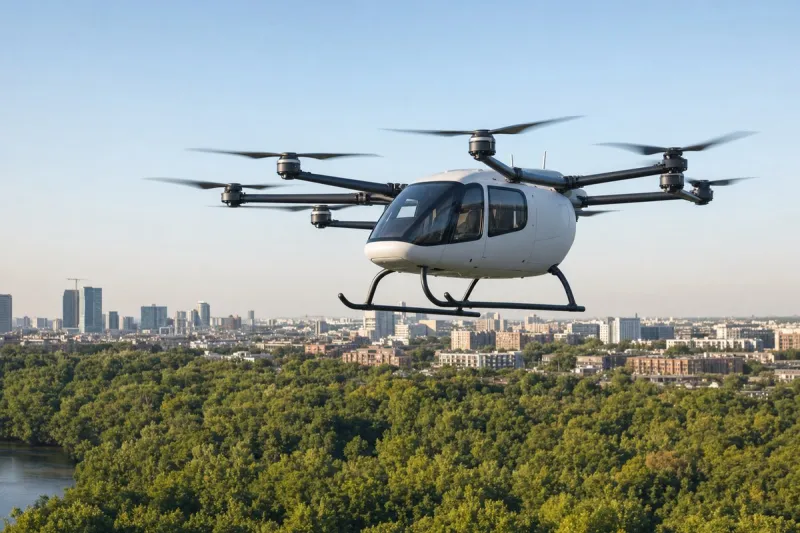
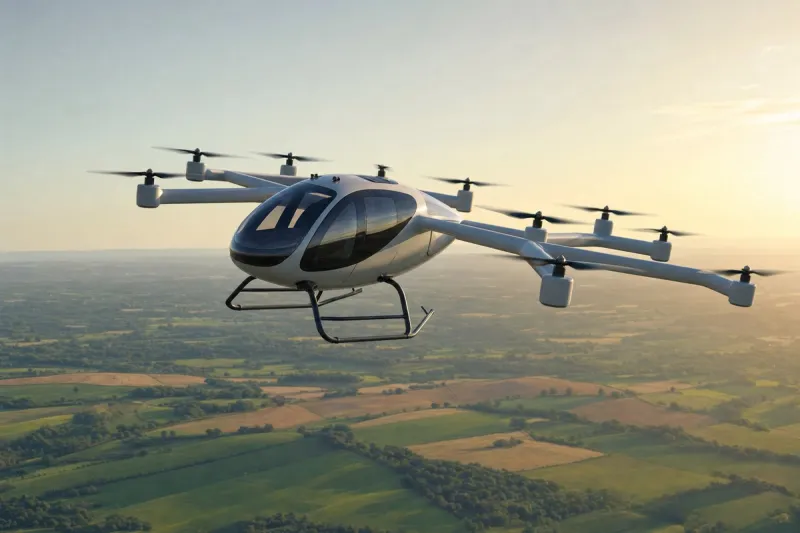
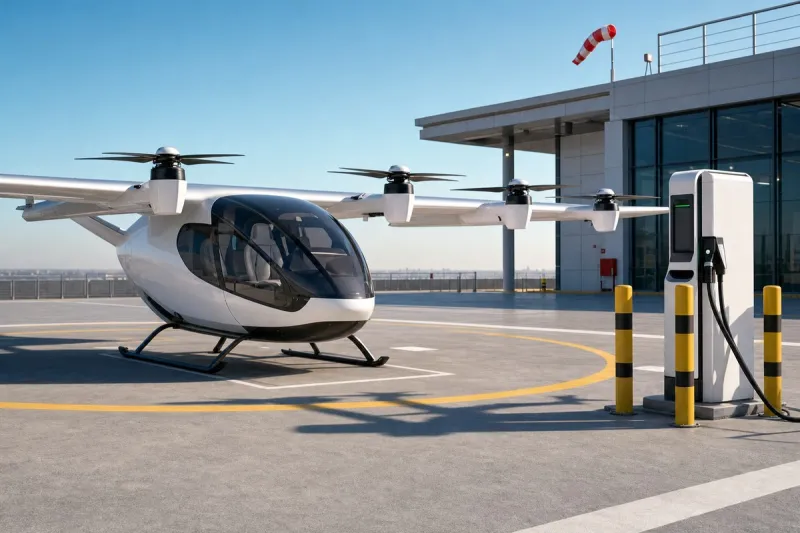
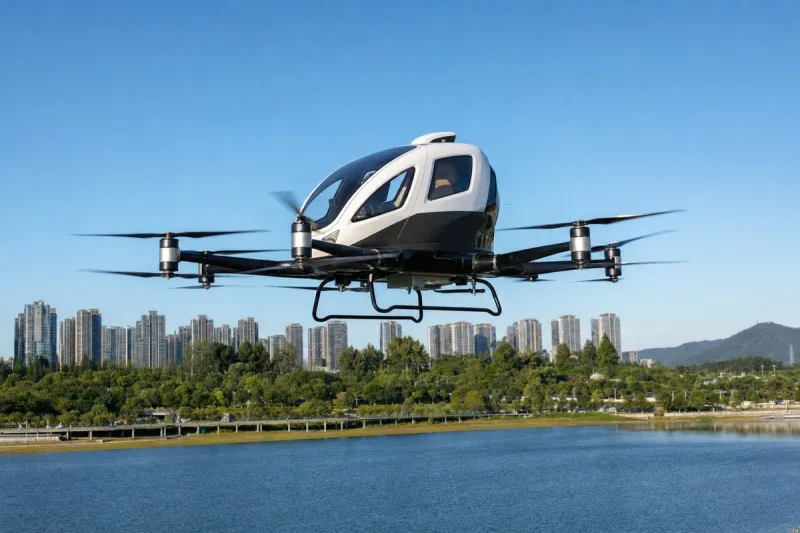
Advanced air mobility developers are testing healthcare uses for drones and electric vertical take-off and landing (eVTOL) aircraft, including moving organs, blood products and medical supplies.
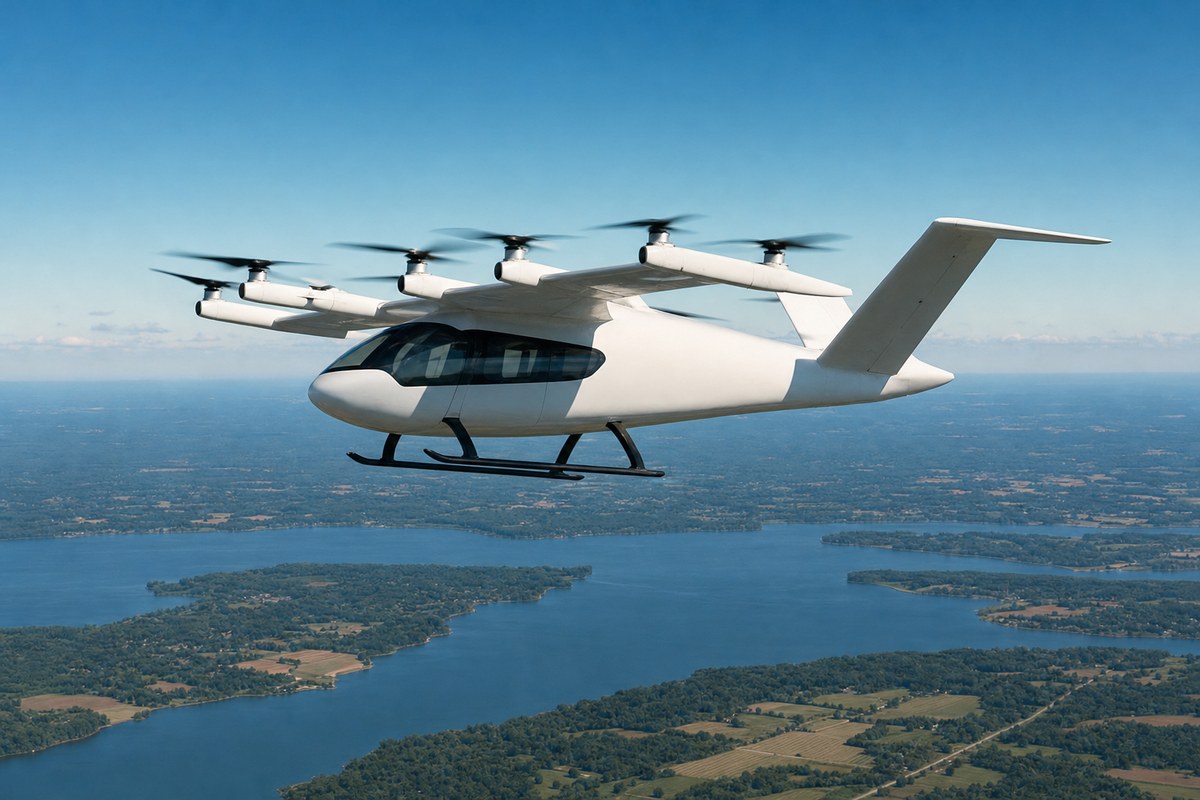
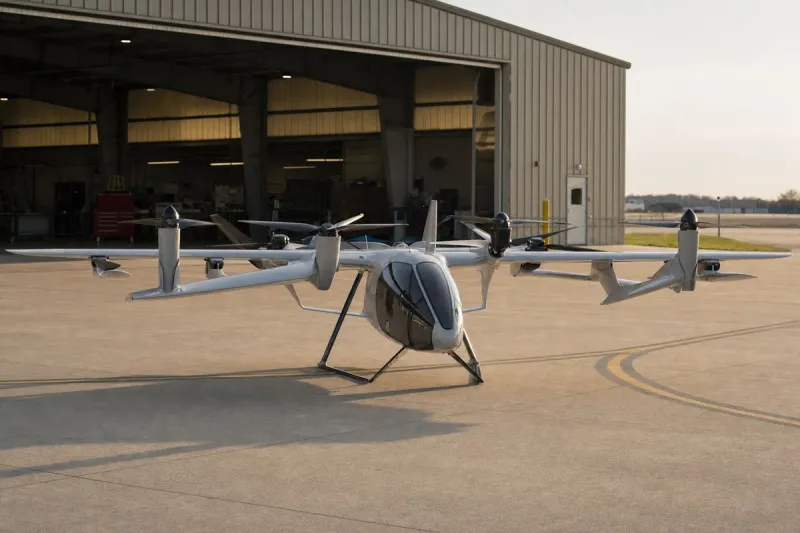
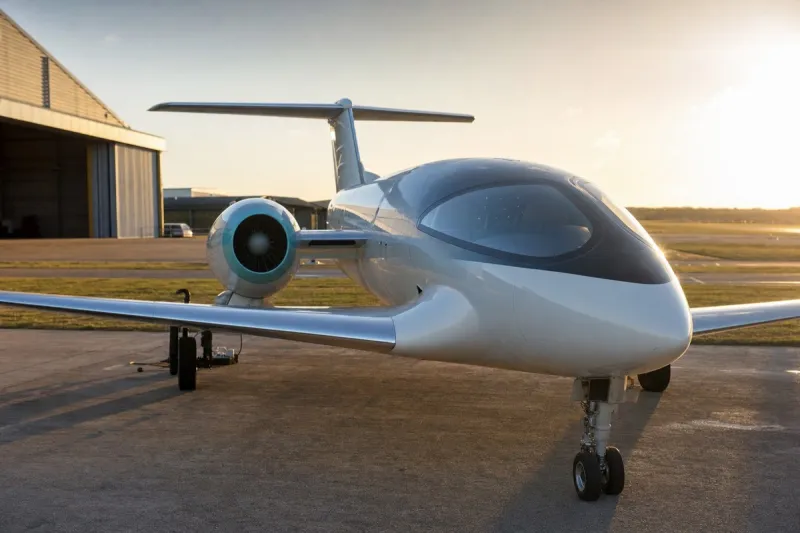
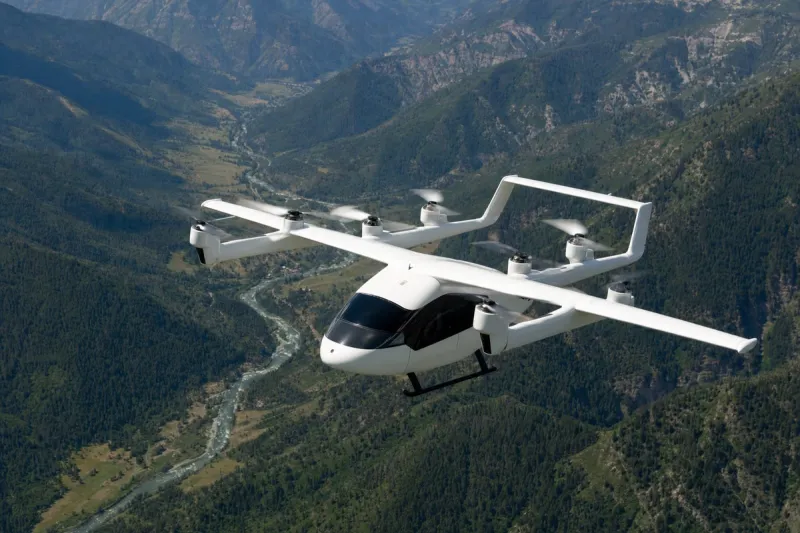
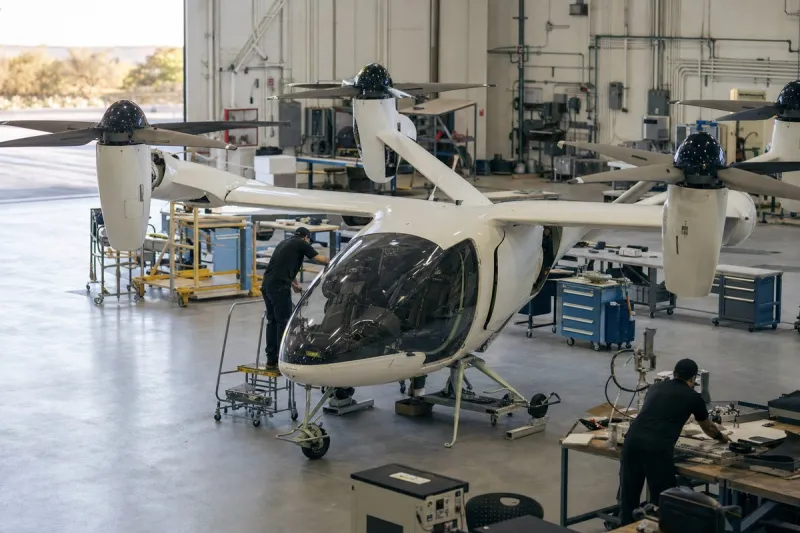
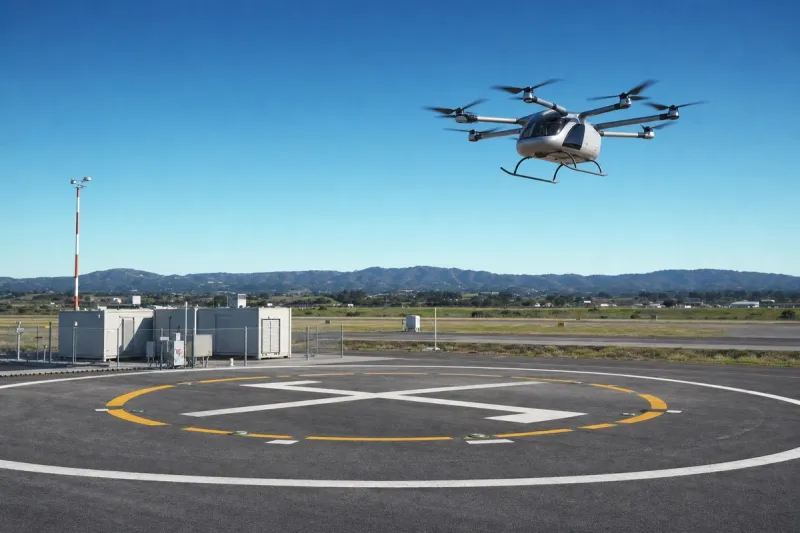
BETA Technologies and United Therapeutics Corporation, in partnership with the Pennsylvania Department of Transportation, flight-tested organ medical-transport capabilities from Virginia to Maryland in July 2026 under the eVTOL Integration Pilot Program (eIPP). The flights covered approximately 275nm. A BETA ALIA electric aircraft flew an animal organ in a medical cooler from Virginia Tech Montgomery Executive Airport to Charlottesville Albemarle Airport, where it was transferred to another ALIA aircraft that flew to Frederick Municipal Airport and then Martin State Airport – Baltimore.
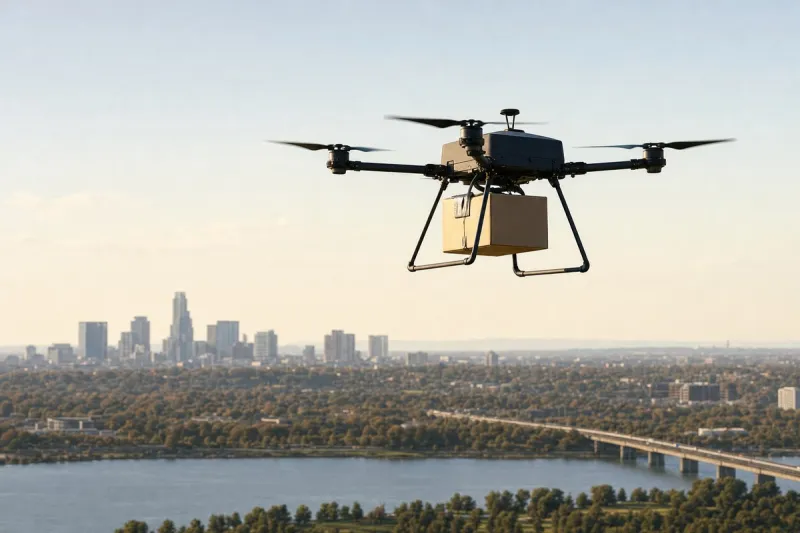
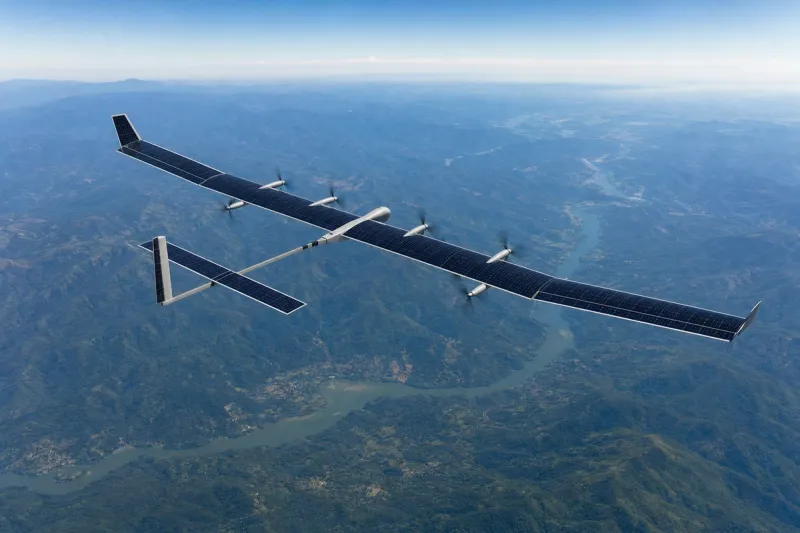
Drone medical deliveries are further advanced. In London, Guy's and St Thomas' NHS Foundation Trust, with Apian and Wing, is running a six-month trial moving blood samples between Synnovis' lab at Guy's Hospital and the lab at St Thomas' Hospital. The trip can take more than half an hour by road but under two minutes by drone. Wing uses lightweight automated drones weighing 5kg and its own 'nests' rather than vertiports. Wing also carries pathology samples between Nelson Health Centre in Raynes Park and South West London Pathology's central laboratory at St George's Hospital, Tooting.
In the Netherlands, a medical drone pilot linking Isala Meppel and Isala Zwolle has been extended until mid-2027 after more than 800 flights. The 22km route, operating since September 2025, has averaged a 14-minute flight time and 92-95% operational availability. Tests found no significant impact on the quality of the medicines examined, and strong winds were the main operational constraint.
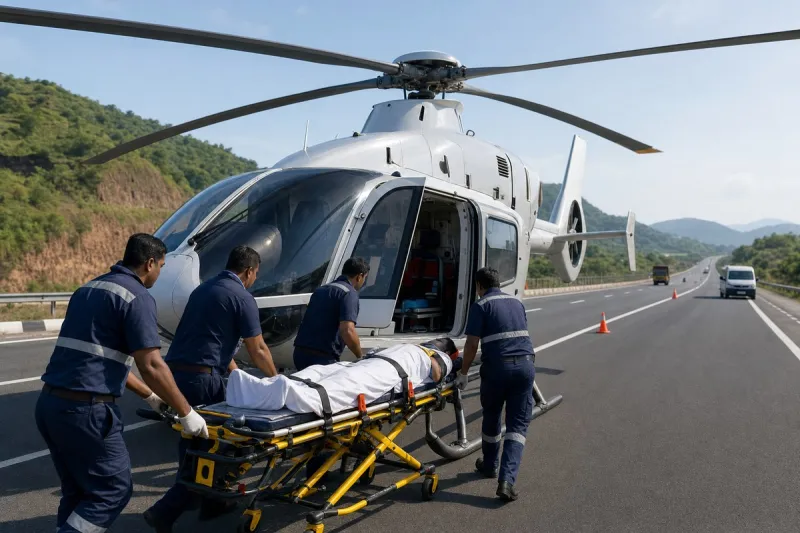
Urban-Air Port CEO Andrea Wu called healthcare one of the clearest AAM use cases but noted that the UK trials are not yet an established medical drone network, that routine beyond visual line of sight (BVLOS) operations still need a regulatory and airspace framework, and that organ transport carries a higher safety threshold. Skyfarer previously trialled a 32km route between University Hospital Coventry and Rugby Hospital, cutting about 45 minutes by road to roughly 18 minutes by air. Separately, Air India, SkyDrive and Suzuki signed a memorandum of understanding to assess eVTOL use for medical services.