FAA Reinstates Flight Deck Training Program Letting Air Traffic Controllers Ride Cockpit Jumpseats
Why It MattersPutting controllers in cockpits formalises a feedback loop between air traffic control and flight crews, with all major U.S. airlines participating and general aviation flights eligible too.
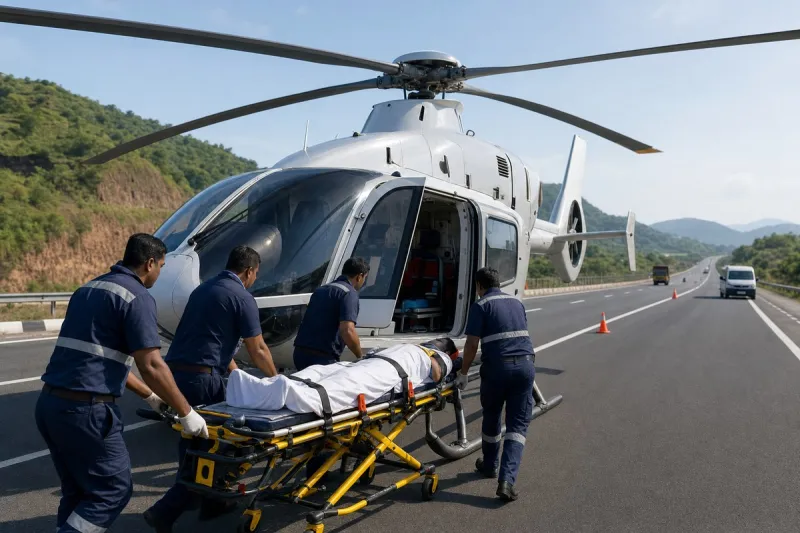
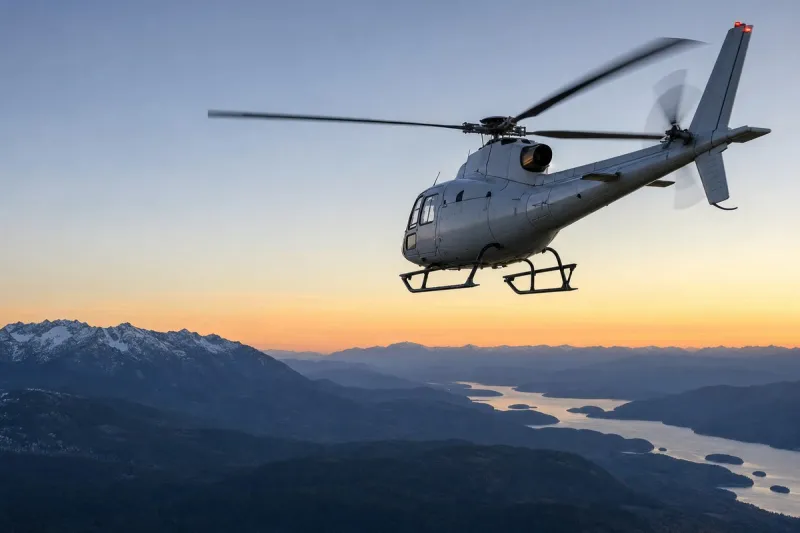
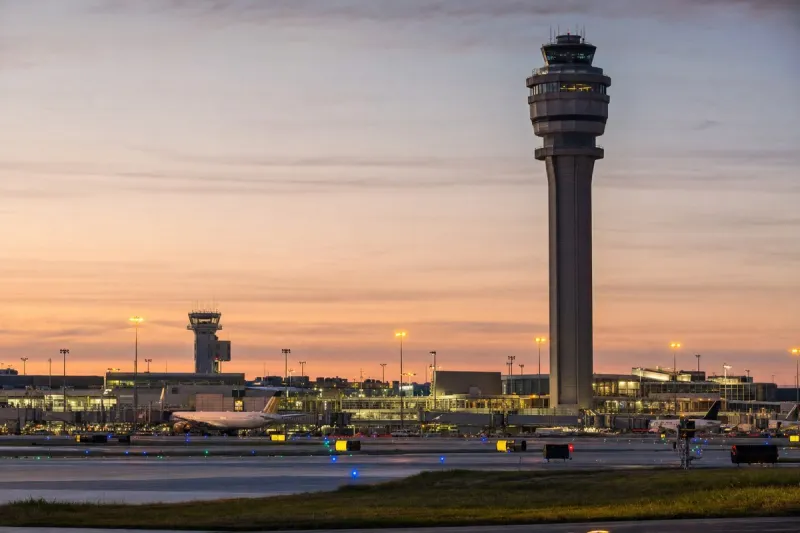
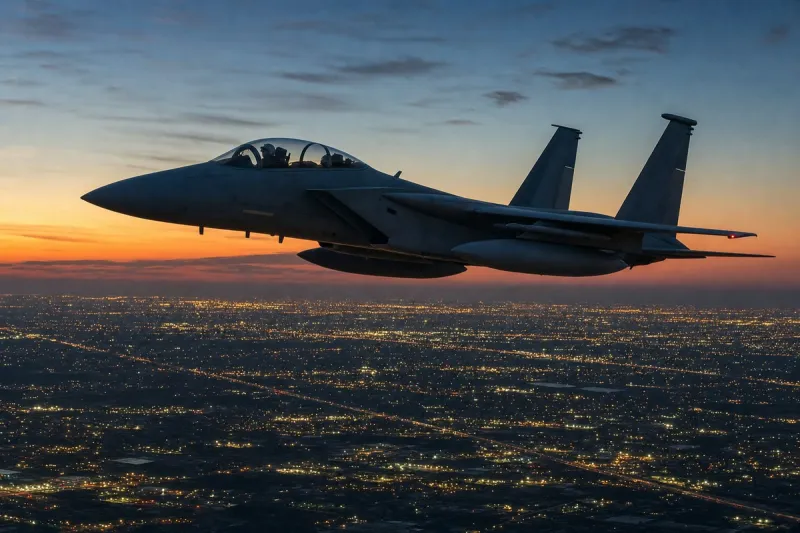
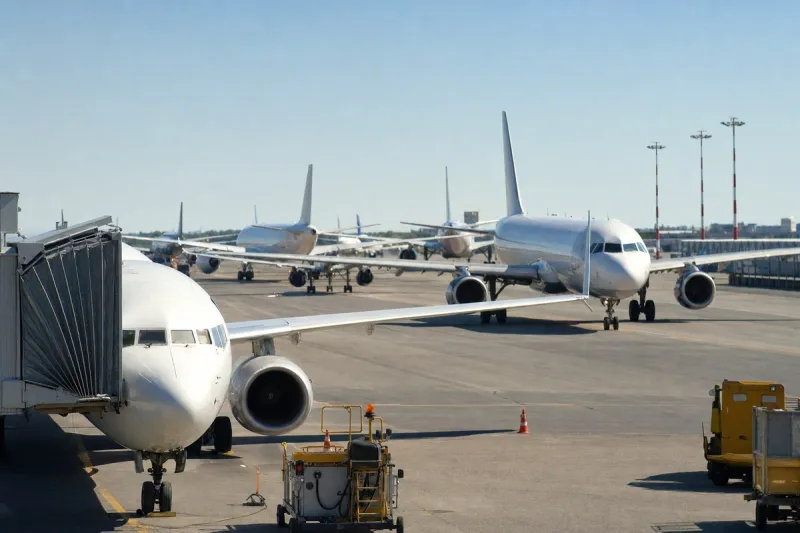
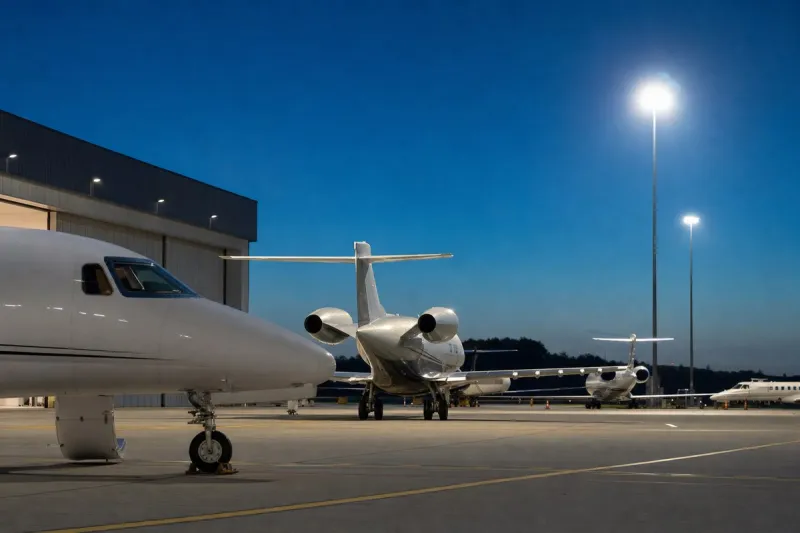
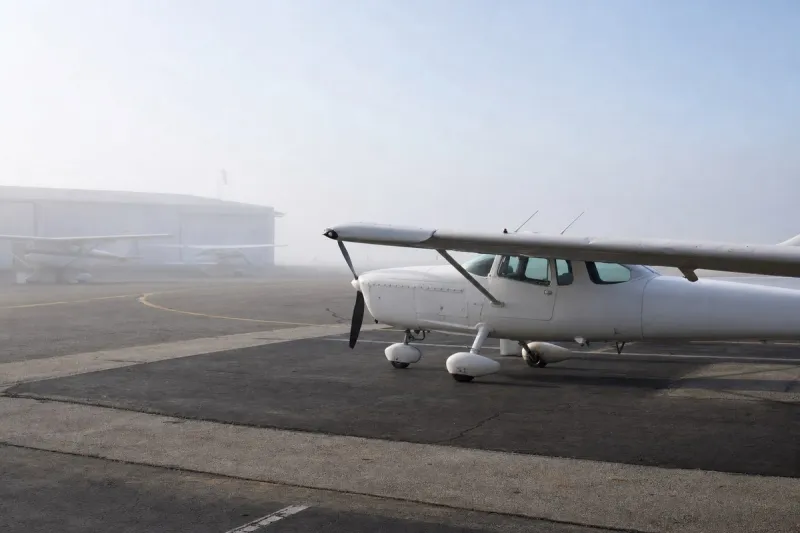
The Federal Aviation Administration has reinstated its Flight Deck Training program, which lets air traffic controllers ride aboard commercial, general aviation and military aircraft to see flight deck operations first-hand. Controllers can apply for jumpseat access on eligible flights to observe pilot workload, cockpit procedures and how air traffic control instructions affect flight crews. The program was paused at the start of the pandemic, and the FAA worked with the National Air Traffic Controllers Association (NATCA) to bring it back.
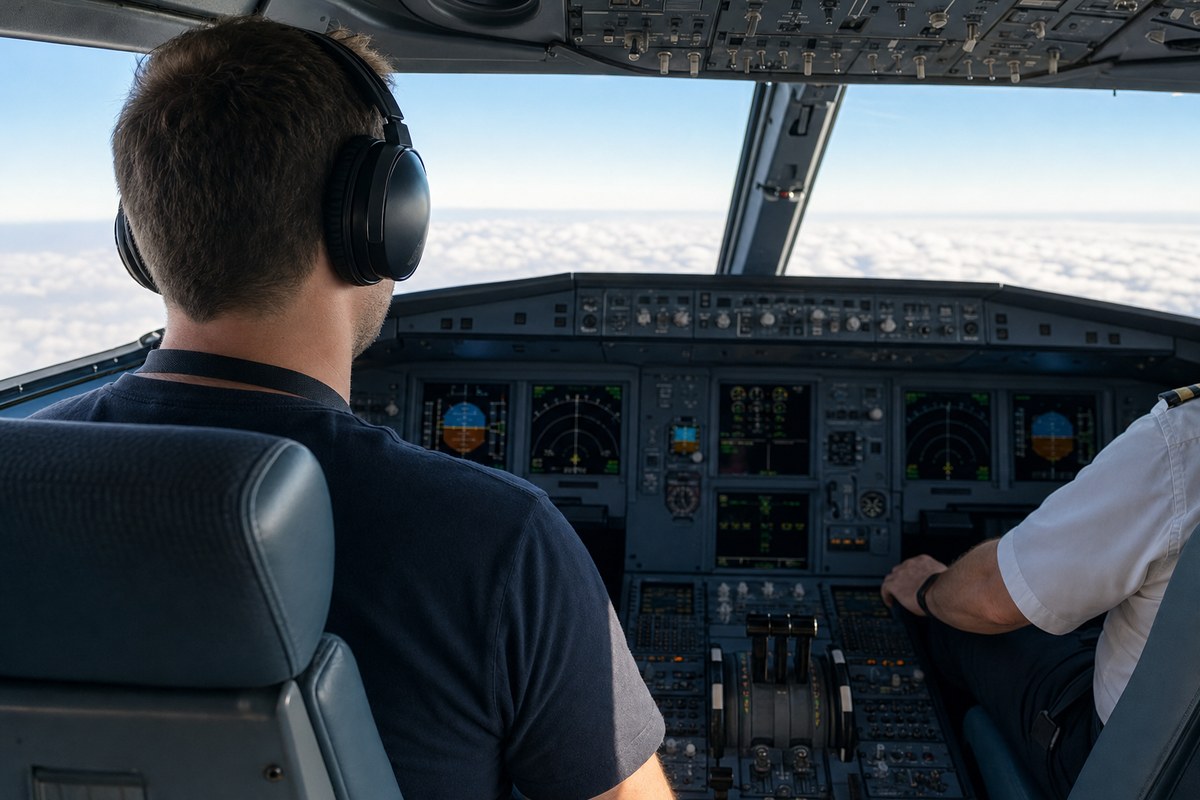
Controllers apply electronically for specific flights and identify a training objective. After internal approval, the FAA sends the request to the airlines. Controllers go through multiple steps of vetting at the airport and on reaching the aircraft, and must submit a report after the flight explaining what they learned. Each controller may fly on two commercial or general aviation flights and one military flight per year, subject to the air traffic manager's assessment of the facility's staffing and needs. All major U.S. airlines have agreed to participate.
FAA Administrator Bryan Bedford said controllers are the backbone of the National Airspace System and that the program gives controllers and pilots an up-close view of each other's responsibilities and challenges. NATCA President Nick Daniels said there is no substitute for firsthand cockpit experience. Early testing has already shown benefits, including helping controllers understand when to refrain from issuing complex instructions and how changes such as a different landing runway affect pilot workload. The FAA expects to start the formal program after Thanksgiving.