FAA Withdraws Indianapolis Downtown Heliport Closure Notice; IAC Proposes Masters Category; FAA Halts Parallel Departures at Centennial
Why It MattersFacility closures hinge on who holds legal authority over the land, while parallel-runway operations at busy general aviation airports depend on mitigations that keep IFR and VFR departures from conflicting.
What happened
The FAA has determined that the Indianapolis Airport Authority does not have the authority to close the Indianapolis Downtown Heliport. Indiana Attorney General Todd Rokita said the FAA withdrew its Notice of Permanent Closure and its Letter of Intent, which had been submitted two years ago and would have permitted the permanent closure and sale of the site. Rokita called the outcome "a win for Indiana's taxpayers, public safety, the future of advanced air mobility, and aviation generally."

In aerobatics, the International Aerobatic Club (IAC) is proposing a new competition category called Masters. It is designed to let pilots keep flying challenging sequences without working toward the sport's highest levels, and to welcome more aircraft. If approved, the category could join the contest lineup in 2027.
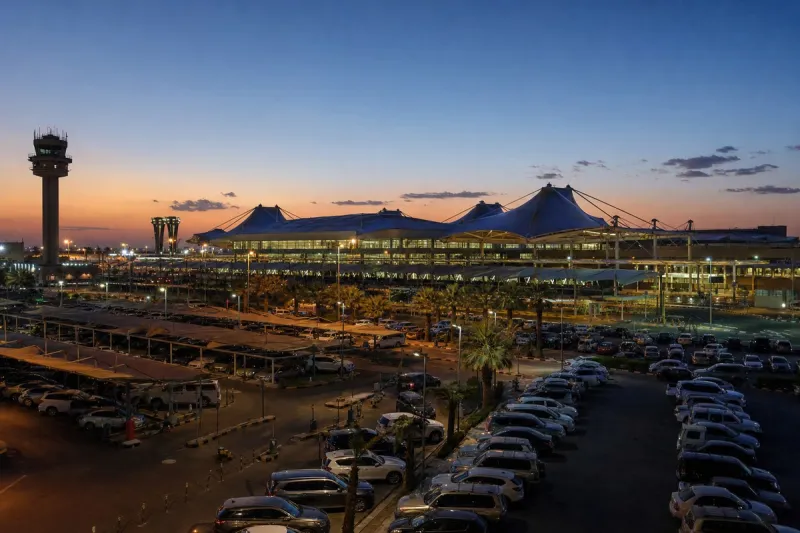
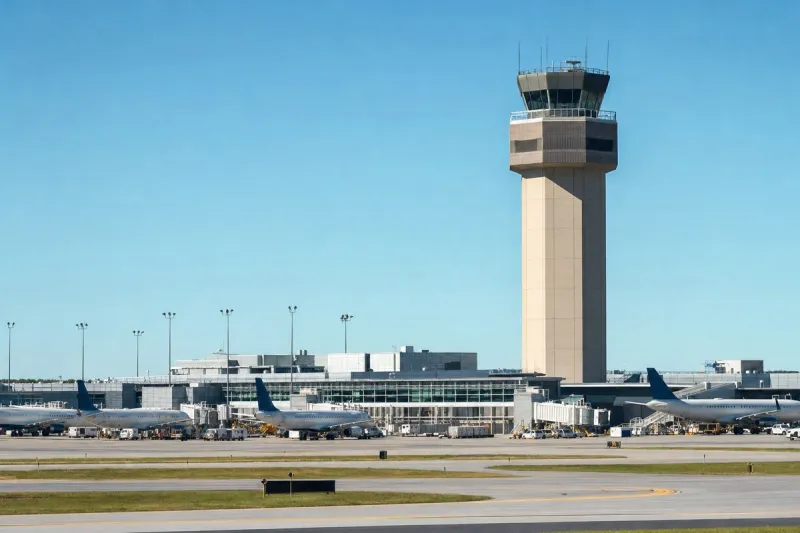
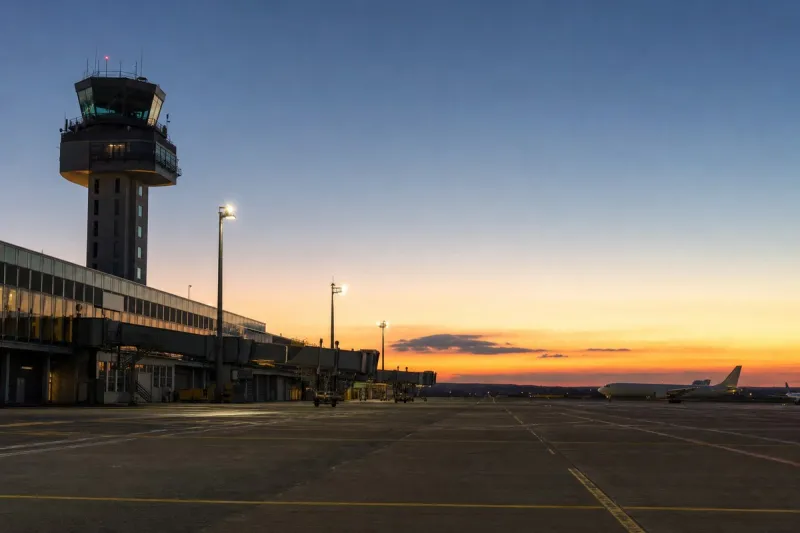
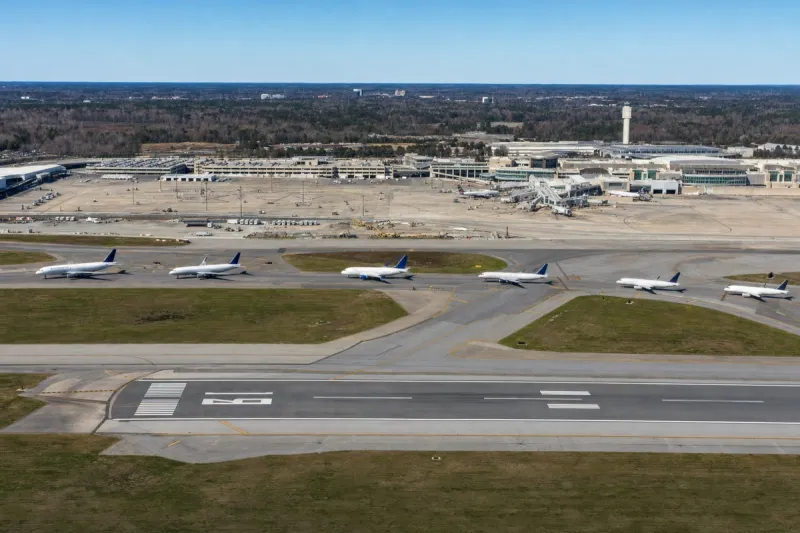
At Centennial, an email sent to airport tenants by the Arapahoe County Public Airport Authority says the FAA ordered air traffic controllers to "immediately cease simultaneous parallel departure operations at Centennial until approved mitigations can be identified to reduce the associated safety risk to an acceptable level." Several parties have contacted the FAA, which has raised concerns including that departing IFR traffic is conflicting with VFR traffic departing from the parallel runway.
Industry impact & what to watch
The Indianapolis ruling turns on a narrow point: an airport authority's ability to close a facility depends on whether it actually holds the authority to do so, and the FAA's withdrawal of both the closure notice and the letter of intent removes the basis for the planned sale. Heliports and other small urban aviation sites tend to be vulnerable to land-use pressure, so a federal finding on who may close one carries weight beyond a single site, particularly for operators and planners counting on advanced air mobility infrastructure.
The Centennial order shows how a safety concern at a busy general aviation field can change daily capacity quickly. Simultaneous parallel departures are a way of moving more traffic off two runways, and the stated conflict between departing IFR aircraft and VFR aircraft leaving the parallel runway is the kind of interaction that mitigations have to resolve before the practice returns. Operators and tenants there will be watching for the FAA to identify approved mitigations, since the order lasts only until those are in place.
The Masters category is a smaller, competition-side adjustment, but it points at retention: giving pilots a place to keep flying demanding sequences without climbing to the top levels, and admitting more aircraft types, widens who can stay in contest flying. Its 2027 start depends on approval, which remains the next milestone.