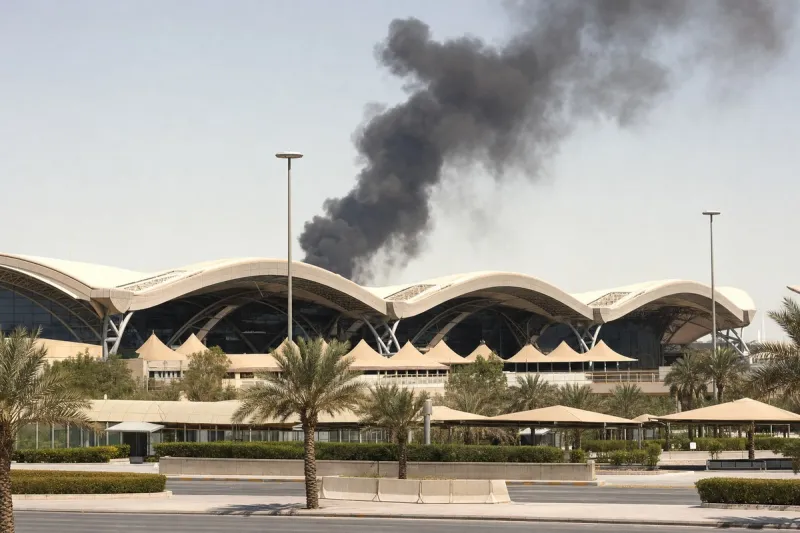
Opinion: Yemeni Missile Strike on Riyadh's King Khalid Airport Killed 13, Injured 307, Amid Disputed War Context
Why It MattersMissile strikes on a major Gulf airport, including aircraft hit on the ground, put civil airport operations in the region within range of the war between Yemen's Sana'a-based government and Saudi Arabia.
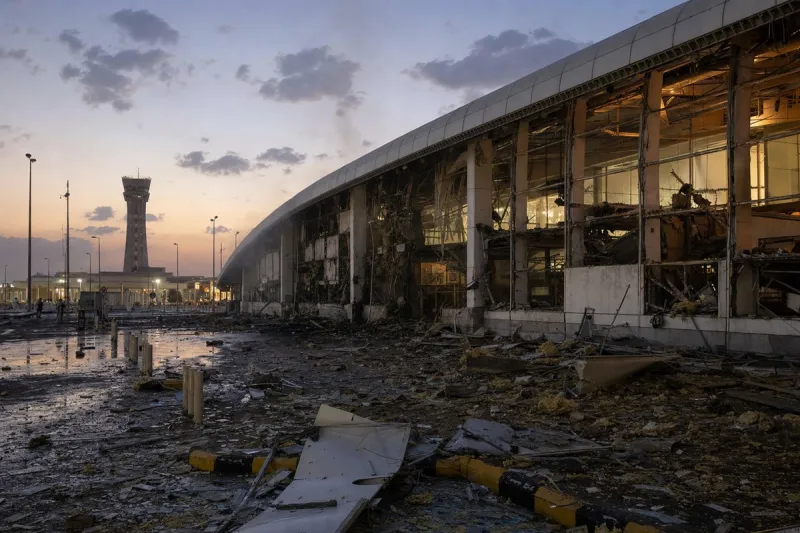
A ballistic missile attack on Terminal 3 of King Khalid International Airport in Riyadh on October 10 killed 13 people and injured 307, according to author Robert Inlakesh in a Palestine Chronicle opinion piece. The missile was fired by the missile units of the Sana'a-based, Ansarallah-led government. Saudi-led coalition spokesman Maj Gen Turki al-Maliki called it a "full-fledged war crime" and a "cowardly terrorist attack," and UN Secretary-General Antonio Guterres also condemned it.
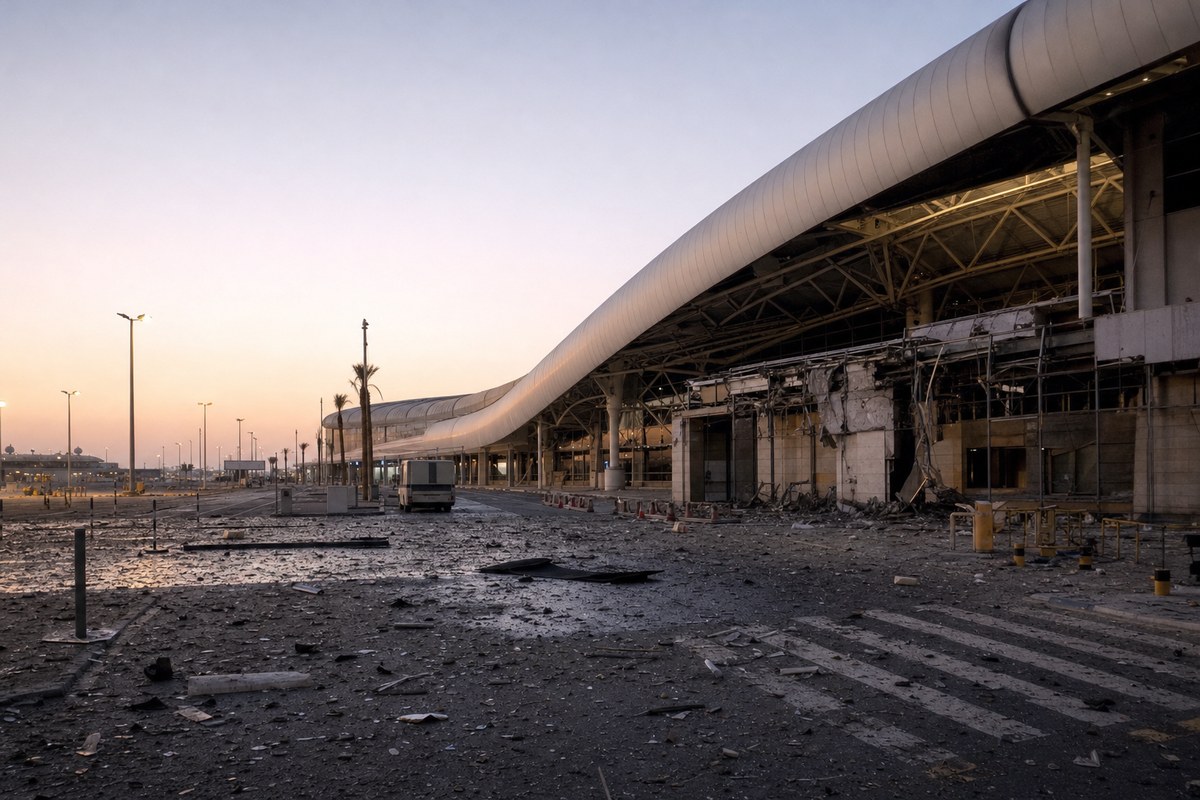
The author argues that this condemnation ignores the wider context. He states that the Saudi air force struck Sana'a International Airport on July 13, breaking a UN-mediated ceasefire reached in 2022, and that Saudi airstrikes hit the same airport on March 26, 2015, the first day of the war, killing around 34 civilians. He claims Saudi forces have carried out more than 227 strikes on Yemeni airports since then, and that the war has killed about 400,000 people, with 9,000 to 18,000 civilian deaths attributed to Saudi Arabia. These figures are the author's claims and are not independently verified.
In early October, the author says, Saudi Arabia conducted 1,000 airstrikes on Yemen using 100 aircraft, and the Ansarallah-led government announced a no-fly zone over Saudi airspace in response. He states that Yemeni missiles first struck airports as warnings with no known casualties, and that on October 8 missiles hit grounded aircraft at King Khalid International, destroying one airliner, damaging two others and killing three people. He argues that Saudi authorities ignored warnings to close the airport, and he also criticizes Western media coverage.
The author acknowledges that targeting a civilian airport violates international law, while contending that international law is applied selectively, and calls for either a negotiated settlement or continued war. The piece is an opinion article, and its views do not necessarily reflect the editorial position of The Palestine Chronicle.