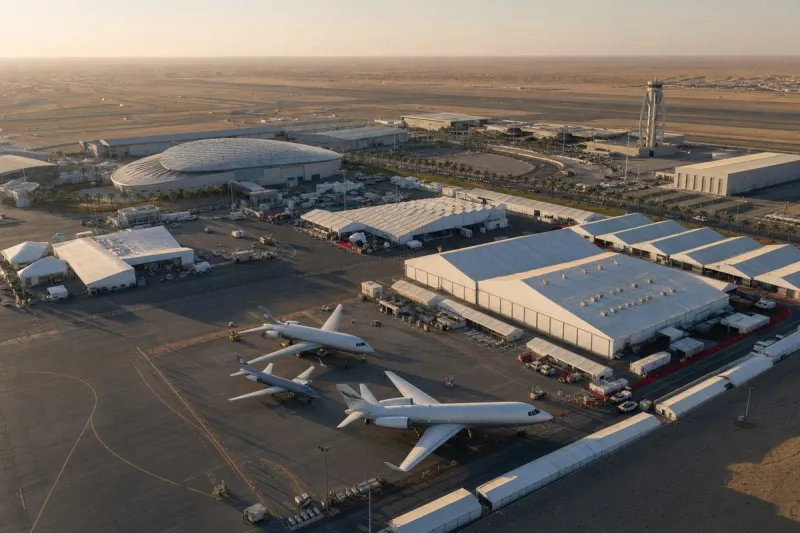
Study Finds Green Hydrogen Supply and Airport Infrastructure, Not Engines, Are Binding Constraint on Hypersonic Passenger Flights
Why It MattersThe finding shifts the hypersonic debate from airframe and engine development toward energy supply and airport infrastructure, pointing to hydrogen availability as the gating factor for any commercial service.
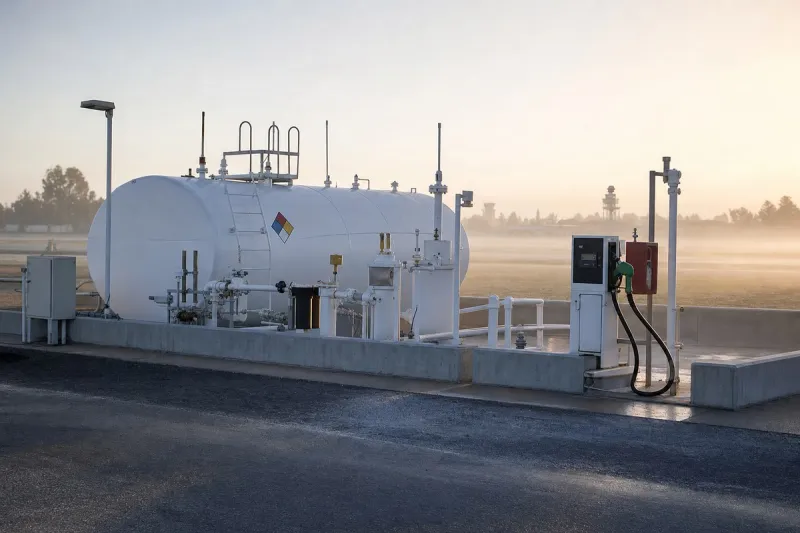
A systems-level analysis published in Frontiers in Aerospace Engineering (Boretti, 2026) concludes that commercial hypersonic point-to-point travel, targeting intercontinental trips in under 90 minutes, depends chiefly on cheap green hydrogen at scale and retrofitted airport infrastructure rather than on aircraft technology alone. The paper is a narrative review that builds a coupled techno-economic model, called H2ET, linking aircraft design parameters with hydrogen production, liquefaction, transport and airport storage economics.
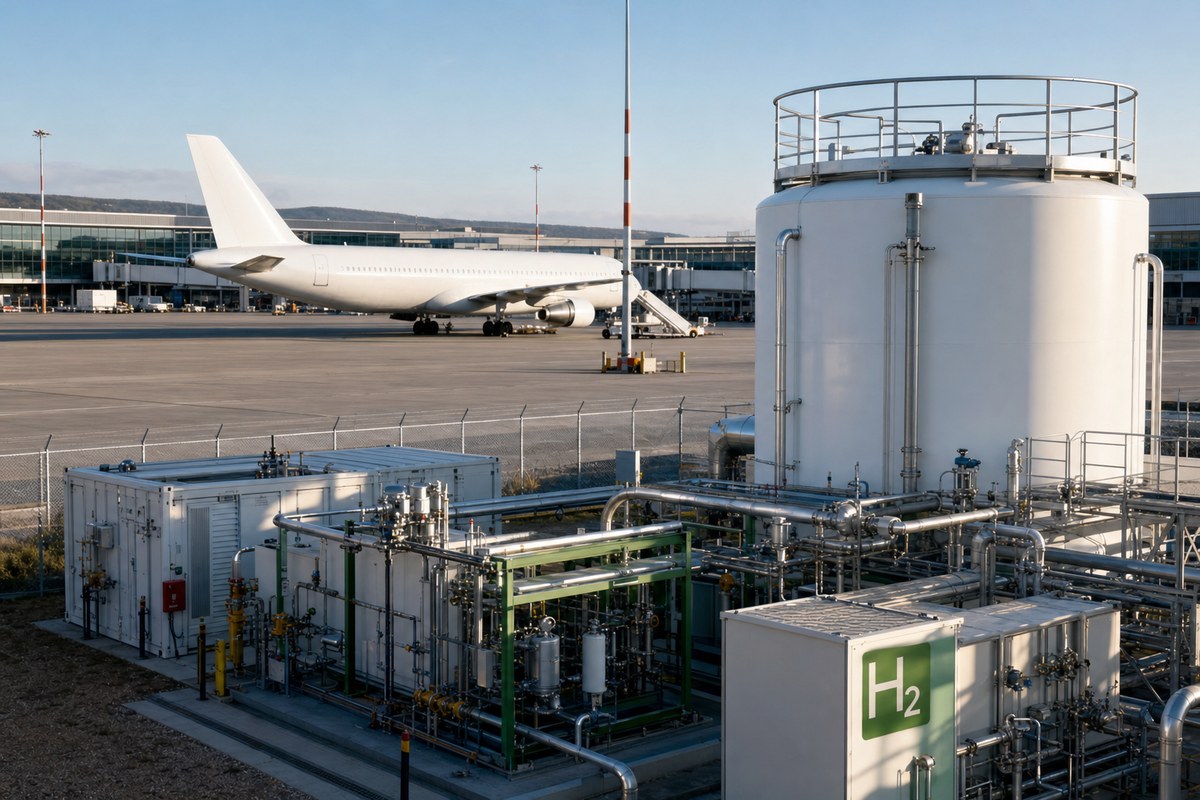
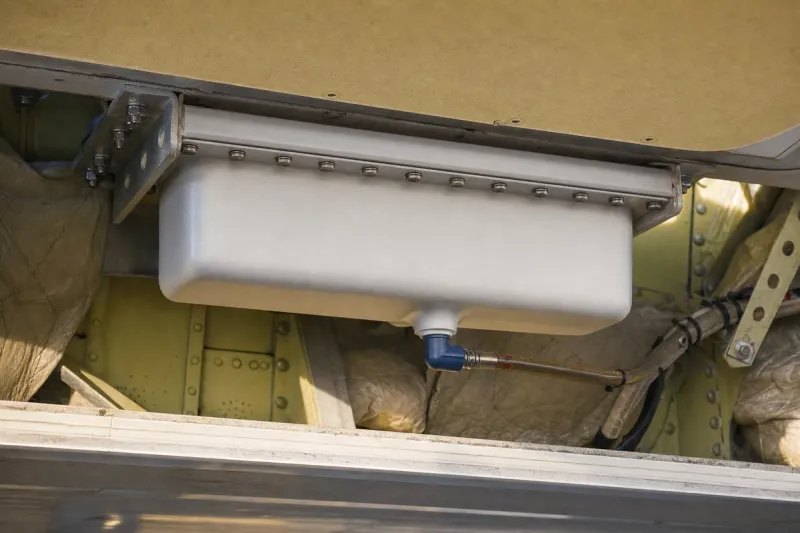
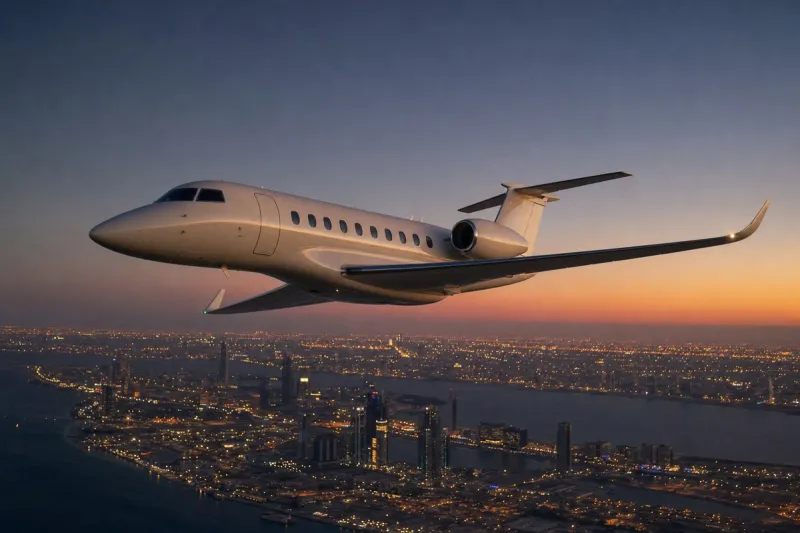
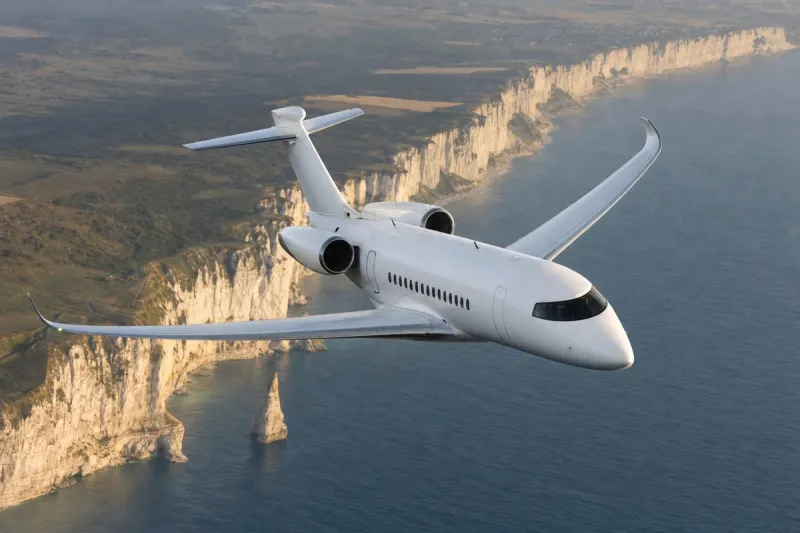
The reference vehicle is a notional 100-passenger aircraft cruising at Mach 8 over 10,000 kilometers, with a takeoff mass of 200 tons, 60 tons of which is liquid hydrogen. That fuel needs roughly 847 cubic meters of tank volume, and each mission burns about 55 tons of hydrogen when cooling needs are included. A fleet of 100 such aircraft flying one daily transpacific mission would consume 1.65 million tons of liquid hydrogen per year.
The study identifies turbine-based combined cycle (TBCC) propulsion as the most realistic architecture for civil hypersonic flight. The difficult phase is the mode transition between Mach 3 and Mach 5, when specific impulse falls to 800 to 1,200 seconds and total mission fuel consumption rises by 15 to 25 percent. No integrated TBCC flight test has been completed, and the technology is at a readiness level of roughly 4 to 5. At Mach 8, stagnation-point gas temperatures reach roughly 4,000 to 4,500 degrees Celsius, and hydrogen used as coolant adds 10 to 30 percent to mission hydrogen demand.
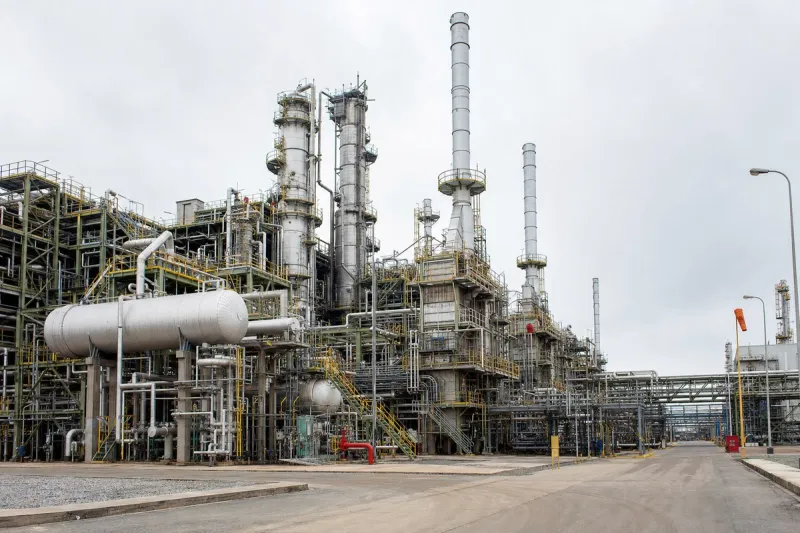
Green hydrogen must reach 2 to 3 euros per kilogram at the airport by 2035 to 2040 for the levelized cost of travel to fall below 0.60 euros per passenger-kilometer. It currently costs 4 to 8 euros per kilogram; at 6 euros the cost would be about 0.75 euros per passenger-kilometer, versus about 0.20 euros for subsonic business class on kerosene. Supporting a 100-aircraft fleet requires 15 to 20 gigawatts of electrolysis capacity and 10 to 20 billion euros in electrolyzer capital expenditure.
Well-to-wake emissions for green-hydrogen pathways are estimated at 150 to 350 grams of CO2 equivalent per passenger-kilometer, a 70 to 80 percent reduction versus subsonic kerosene operations. Non-CO2 effects from water vapor and nitrogen oxides at 30 to 40 kilometers altitude could erode 20 to 50 percent of that benefit. The study proposes a staged pathway: small demonstrators in 2030 to 2035, niche overwater services around 2038 to 2042, early commercial operations by 2045 to 2050, and a mature network after 2050.