Changing Travel Habits Push Private Aviation Toward Mainstream Use Across the United States
Why It MattersFractional ownership, jet cards and on-demand charter are widening the buyer base beyond aircraft owners, turning private aviation into a scalable, membership-style service market tied to corporate budgets and regional-airport access.
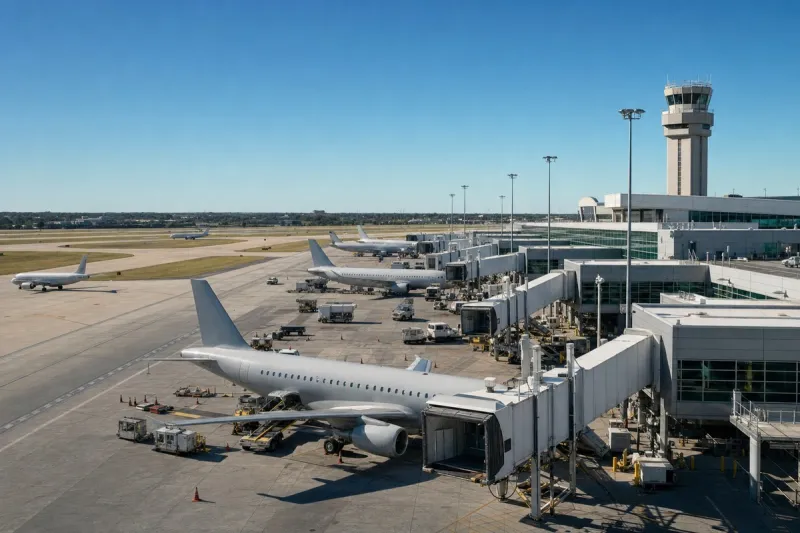
About 45,000 commercial and private flight departures take place daily across the United States, and roughly 3 million passengers fly on commercial airlines each day. Travelers are increasingly prioritizing time efficiency, schedule autonomy and door-to-door transit over the constraints of hub-and-spoke airline networks, which is moving private aviation from an ultra-luxury niche toward a practical tool for frequent flyers, corporate leaders and regional travelers.

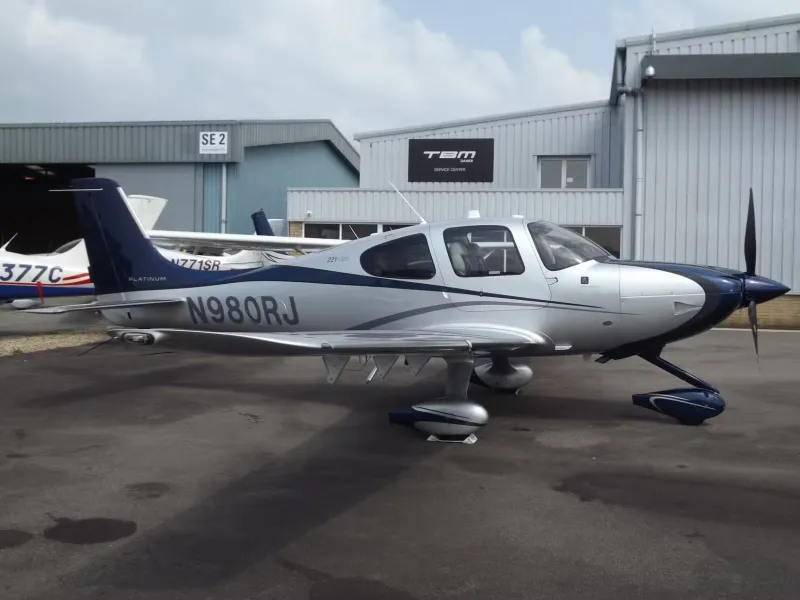
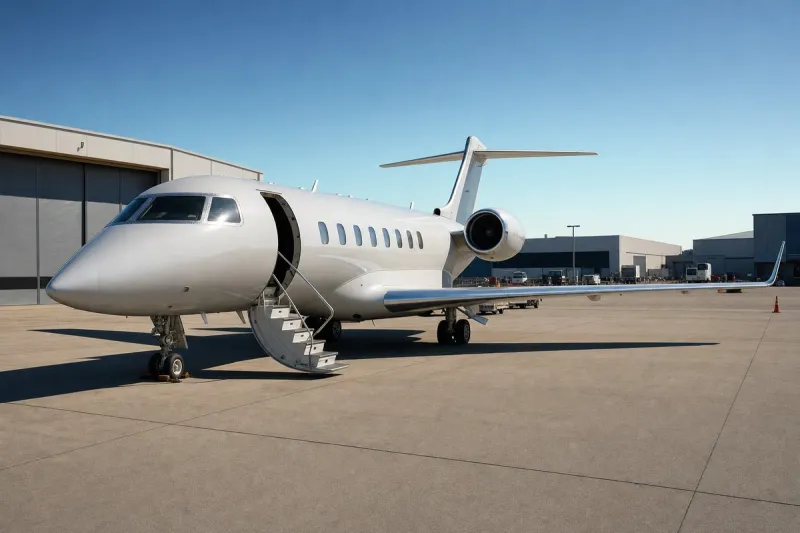
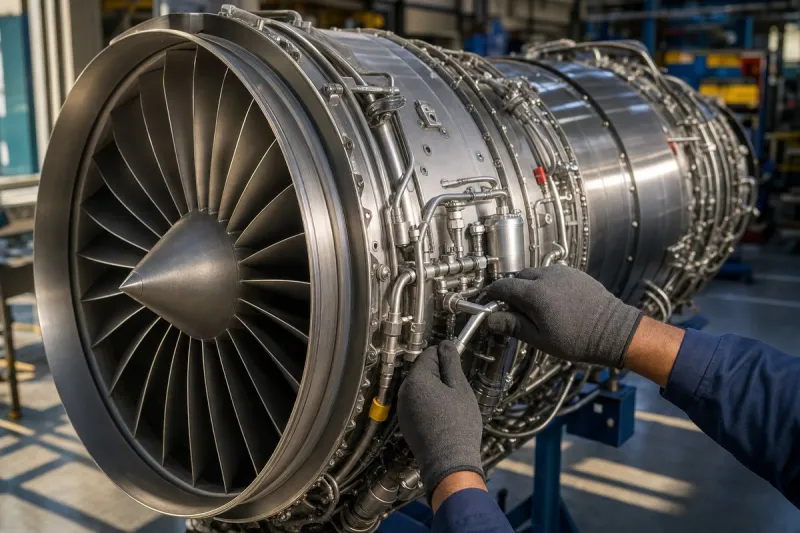
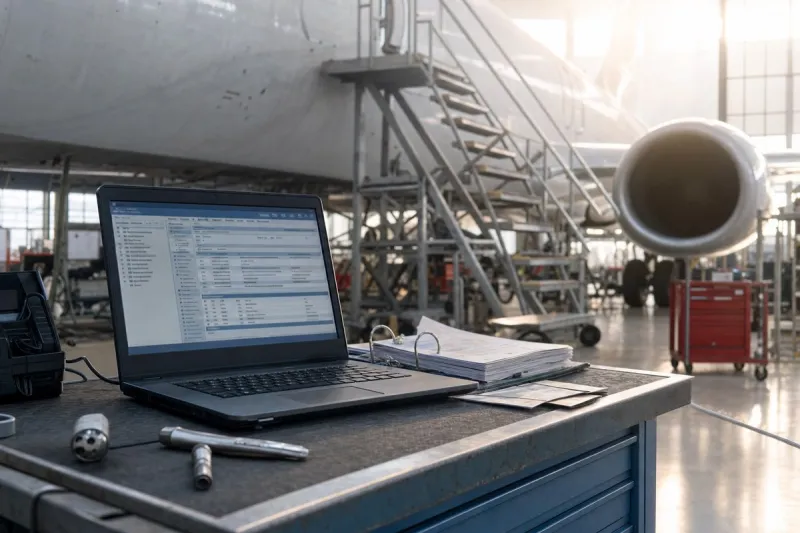
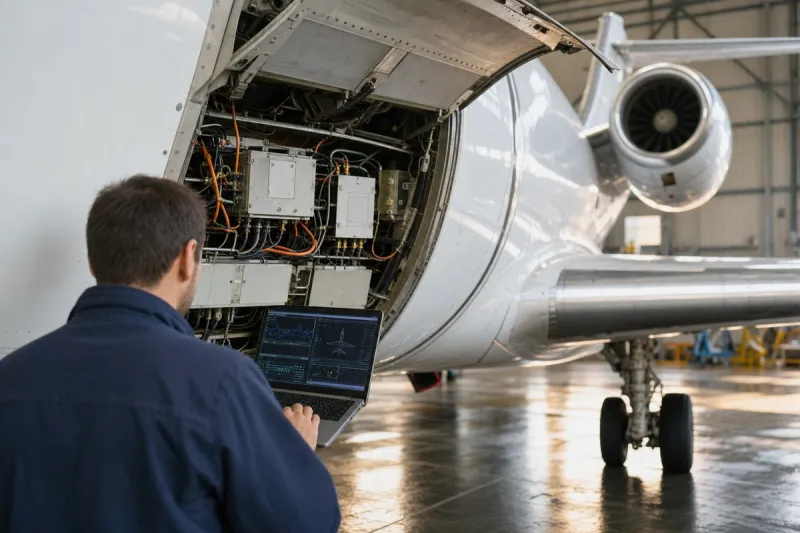
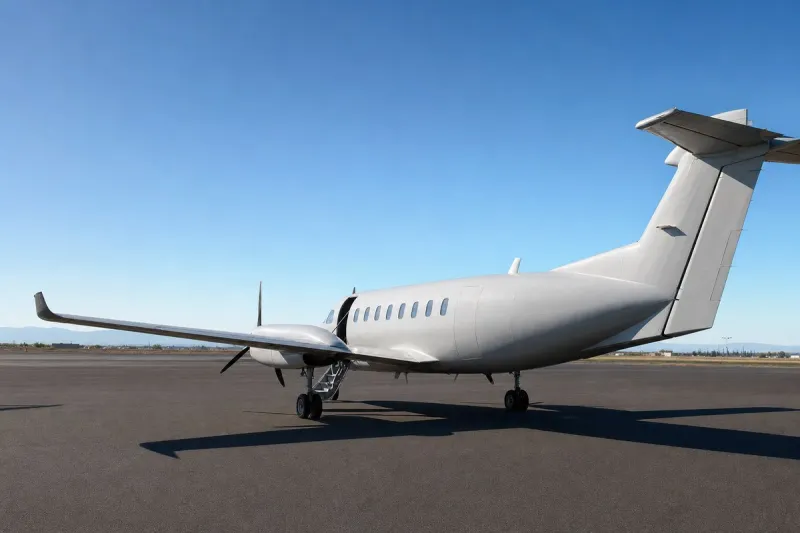
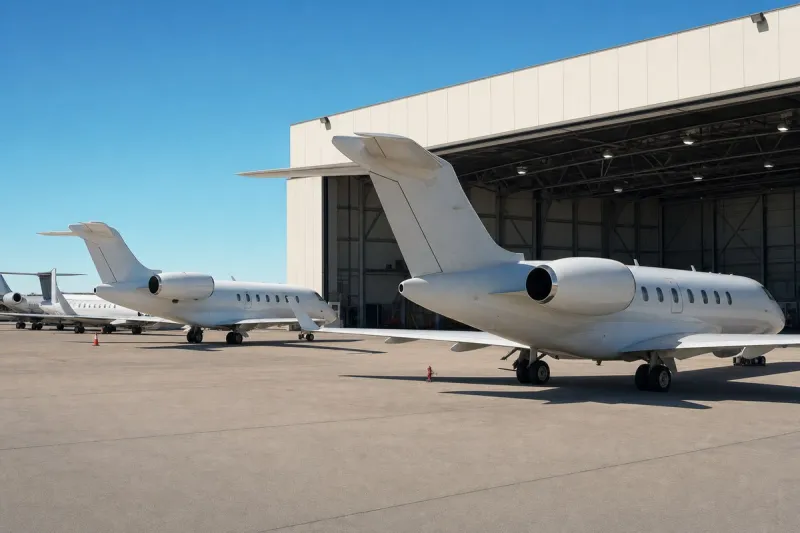
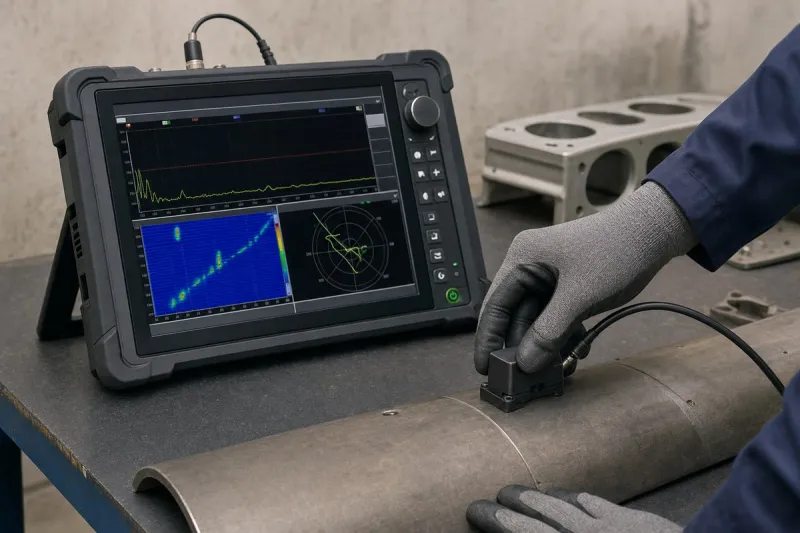
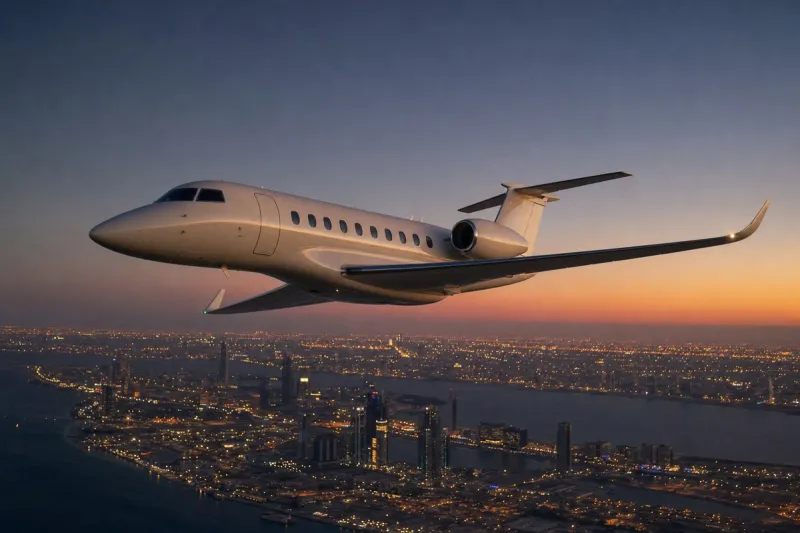
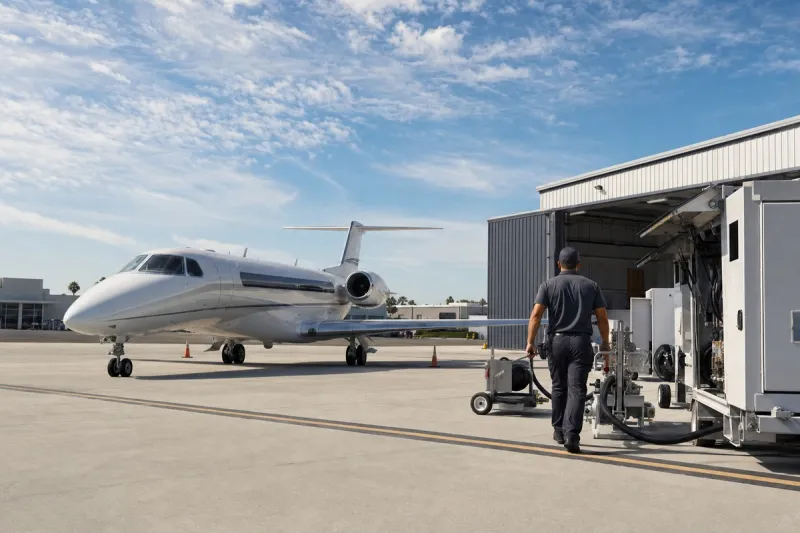
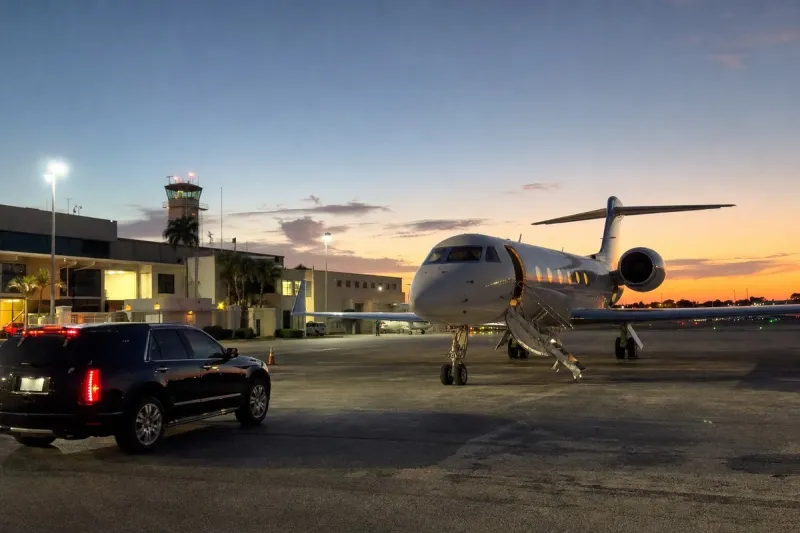
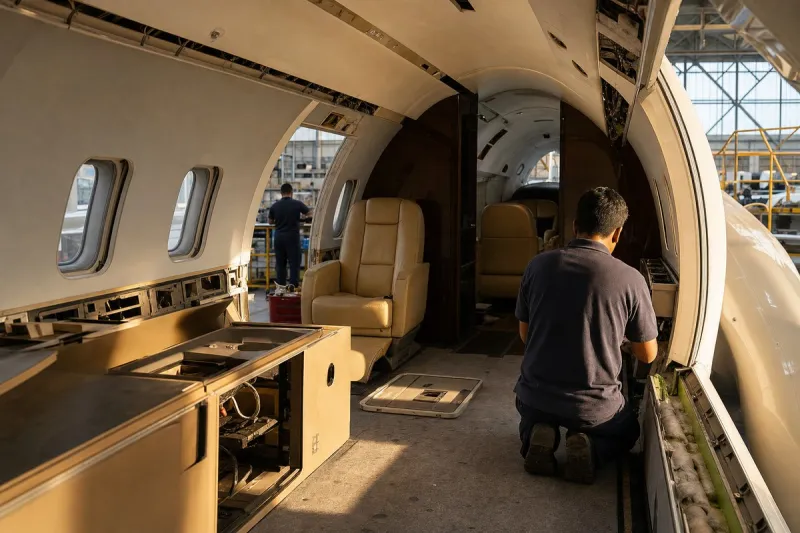
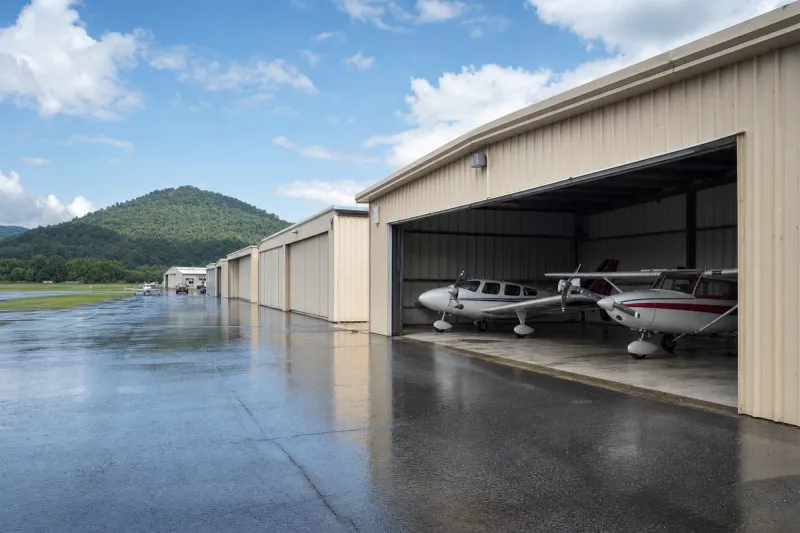
Private flying uses thousands of regional airports that commercial airlines bypass, which can shorten multi-city business trips. Access has also broadened beyond full aircraft ownership: fractional jet ownership, jet card memberships and on-demand charter brokerages let individuals and companies buy flight hours or shares without bearing the capital depreciation and maintenance costs of owning an aircraft. Operators face maintenance backlogs, pilot training requirements and manufacturing bottlenecks for new airframes, and are using predictive maintenance software and dynamic scheduling to keep aircraft available.
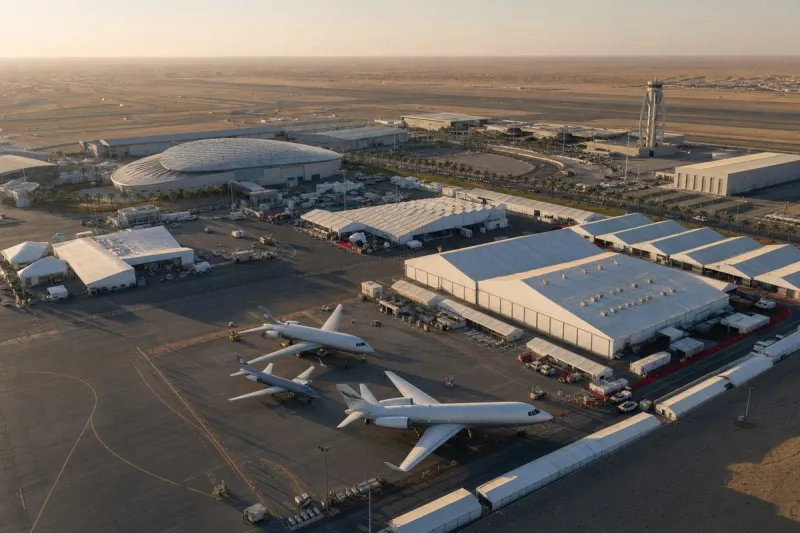
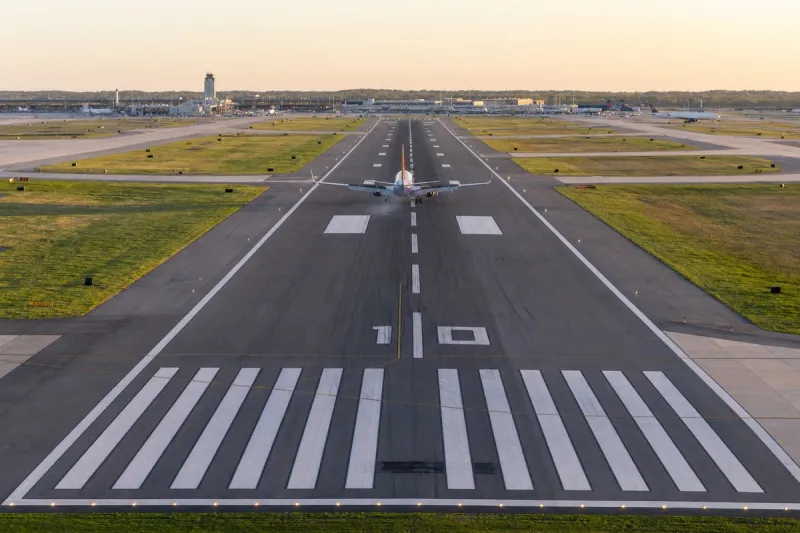
North America accounts for roughly 72 percent of worldwide departures, according to SherpaReport flight departure share data, supported by a network of more than 5,000 public-use airports. Corporate travel budgets, particularly at engineering firms, financial institutions and corporate boards, remain a primary pillar of demand, while leisure travel to remote destinations, ski resorts and coastal islands is a growing segment. Corporate flight departments are increasingly partnering with fractional operators to scale capacity.