Airbus and Kratos complete first European flight of U740 Valkyrie uncrewed combat aircraft
Why It MattersThe flight shows European air forces pursuing collaborative combat aircraft through sovereign mission software on proven US airframes, setting up a 2029 contest that rivals US-led production programmes already under way.
What happened
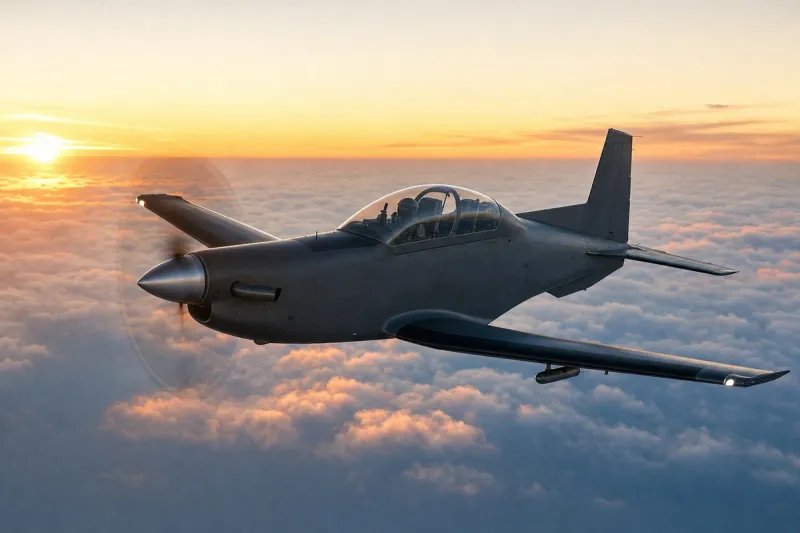
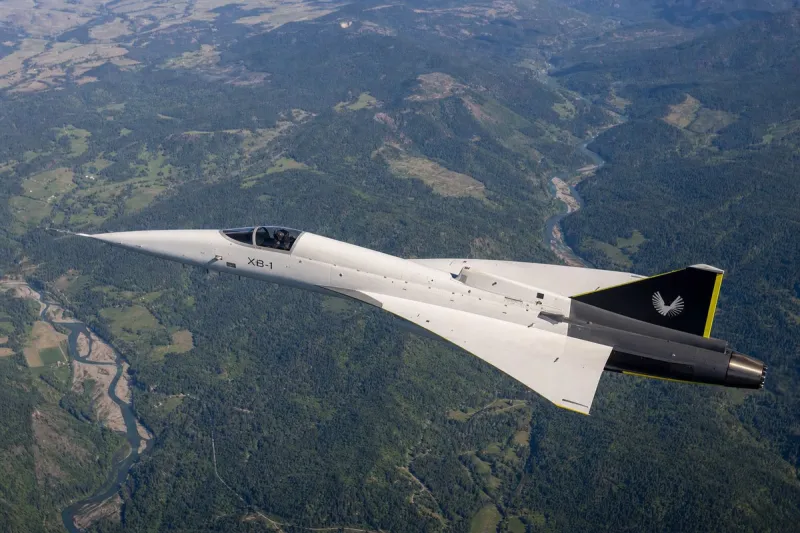
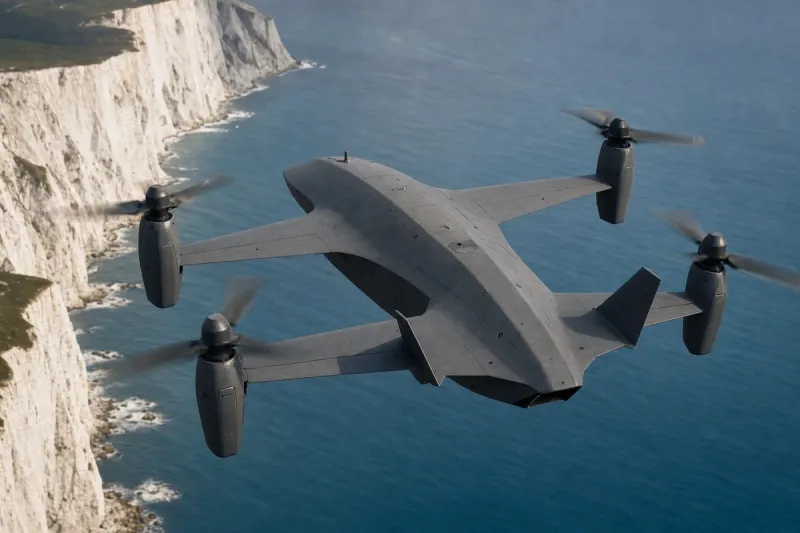
Airbus and Kratos have completed the first flight in Europe of the U740 Valkyrie, an uncrewed collaborative combat aircraft (CCA) that the companies aim to make combat-ready by 2029. The aircraft took off from a test facility in Northern Europe and achieved all flight objectives, Airbus said, including a runway-independent, rocket-assisted take-off, maneuvers at various altitudes at speeds up to Mach 0.8, and in-flight mission adjustments.
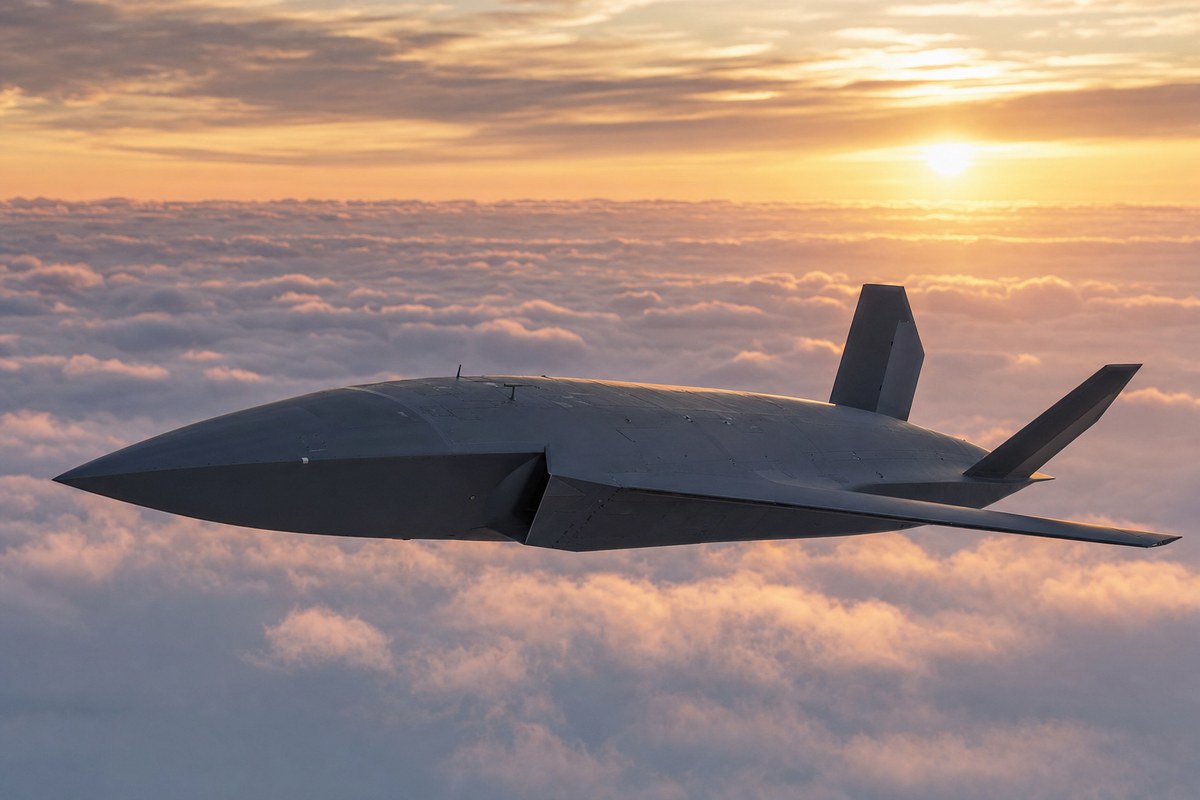
The U740 is a software-modified version of the XQ-58A Valkyrie, which Kratos first flew at the Yuma Training Grounds in Arizona on March 5, 2019. Airbus and Kratos will now flight test the software, called the Multi-platform Autonomous Reconfigurable and Secure (MARS) mission system. Airbus described MARS as the aircraft's "European brain" and said it gives Germany and other European users sovereign control over software, mission applications, data and hardware. MARS uses AI-enhanced software to run missions autonomously and coordinate entire mission groups.
Mike Schoellhorn, CEO of Airbus Defence and Space, said air forces require affordable combat mass and that pairing Kratos' airframe, a "program of record", with Airbus' sovereign European mission system allows the companies to offer a sovereign, affordable, combat-ready CCA system by the end of the decade. He said the Valkyrie will also enhance crewed combat aircraft such as the Eurofighter with extended range, firepower and survivability, and that its design offers rail launch capability, with conventional runway-based take-off and landing as an option.
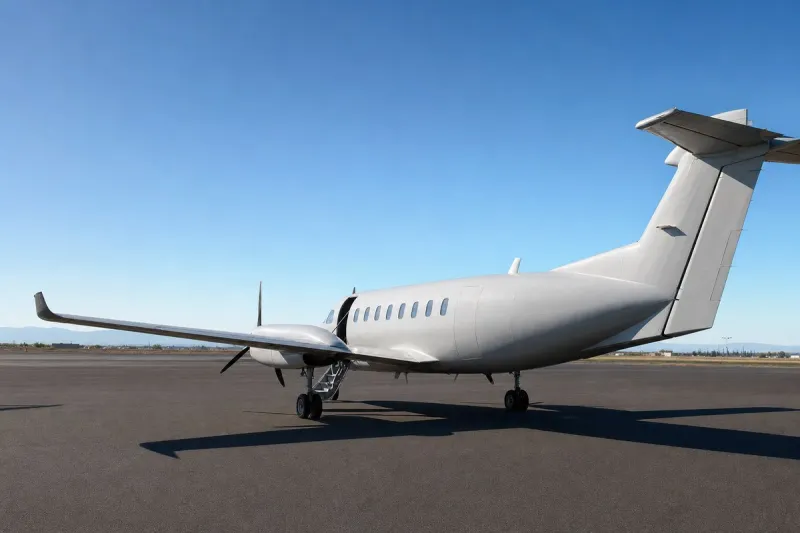
The Valkyrie is 30ft (9.1m) long with a 27ft (8.2m) wingspan, an internal weapons bay and external payload stations under the wings. It has a maximum take-off weight of approximately 6,600lb (3,000kg), a range exceeding 3,100 miles (5,000km) and a service ceiling of 45,000ft (13,700m).
Airbus said in March that it was preparing the first two Valkyries acquired from Kratos at Manching, Germany, and is working to offer the German Air Force an operational system by 2029. Rheinmetall and Boeing are competing for that requirement with the MQ-28 Ghost Bat, which has completed more than 150 flights since 2021 and also targets deployment by 2029. In the US, General Atomics' YFQ-42A and Anduril's YFQ-44A have both been cleared for production, and the US Air Force expects to buy more than 150 combat-capable CCAs by the end of the decade.
Industry impact & what to watch
The structure of this programme is the notable part. Rather than designing a new airframe, Airbus is taking an existing US-flown platform and differentiating it through the mission software layer, which it presents as the sovereign element. That approach compresses development time, and it moves the competitive question from the airplane to who controls the autonomy, data and applications on board.
The German requirement now has two declared contenders aiming at the same 2029 date, each pairing a European prime with a non-European airframe. Meanwhile the US has already cleared two competing designs for production, so European buyers will be weighing a still-maturing offer against platforms with a firm procurement path behind them.
The next milestone is the flight testing of the MARS mission system that Airbus and Kratos have now begun, alongside the preparation of the first two Valkyries at Manching. How those tests proceed, and what the German Air Force decides on its 2029 requirement, will show whether the sovereign-software argument carries weight against the competing offers.