Auve Tech's MiCa Autonomous Shuttle Operates Without Onboard Safety Operator at Tallinn Airport
Why It MattersRemote supervision of several driverless vehicles by one person moves airside autonomy from a staffing-neutral pilot toward a labour-cost question, which is where fleet economics at airports will be decided.
What happened
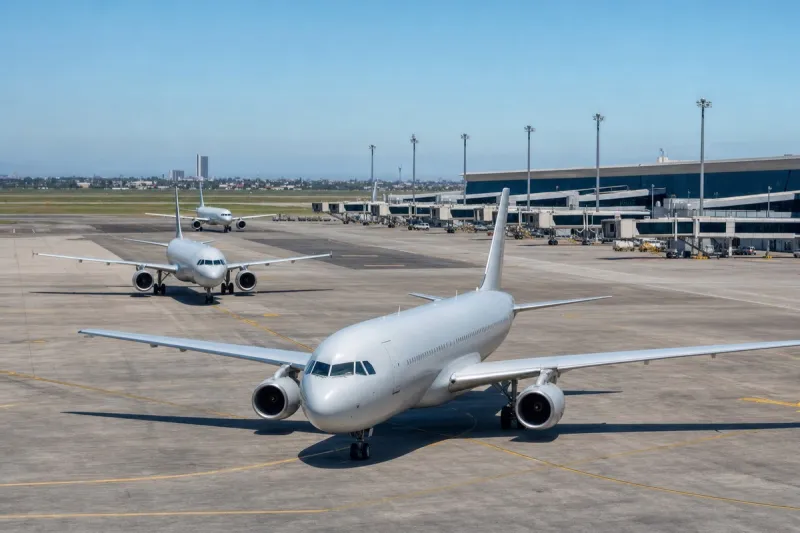
Auve Tech has demonstrated its MiCa autonomous shuttle operating at Tallinn Airport without an onboard safety operator, in cooperation with Magnetic MRO. The demonstration showed autonomous transport under remote supervision in a live airport environment. Auve Tech received authorisation in August 2026 to remove the onboard safety operator from its passenger service at the airport, and the company said it became the first European company to operate autonomous passenger transport at an airport without an onboard safety operator.
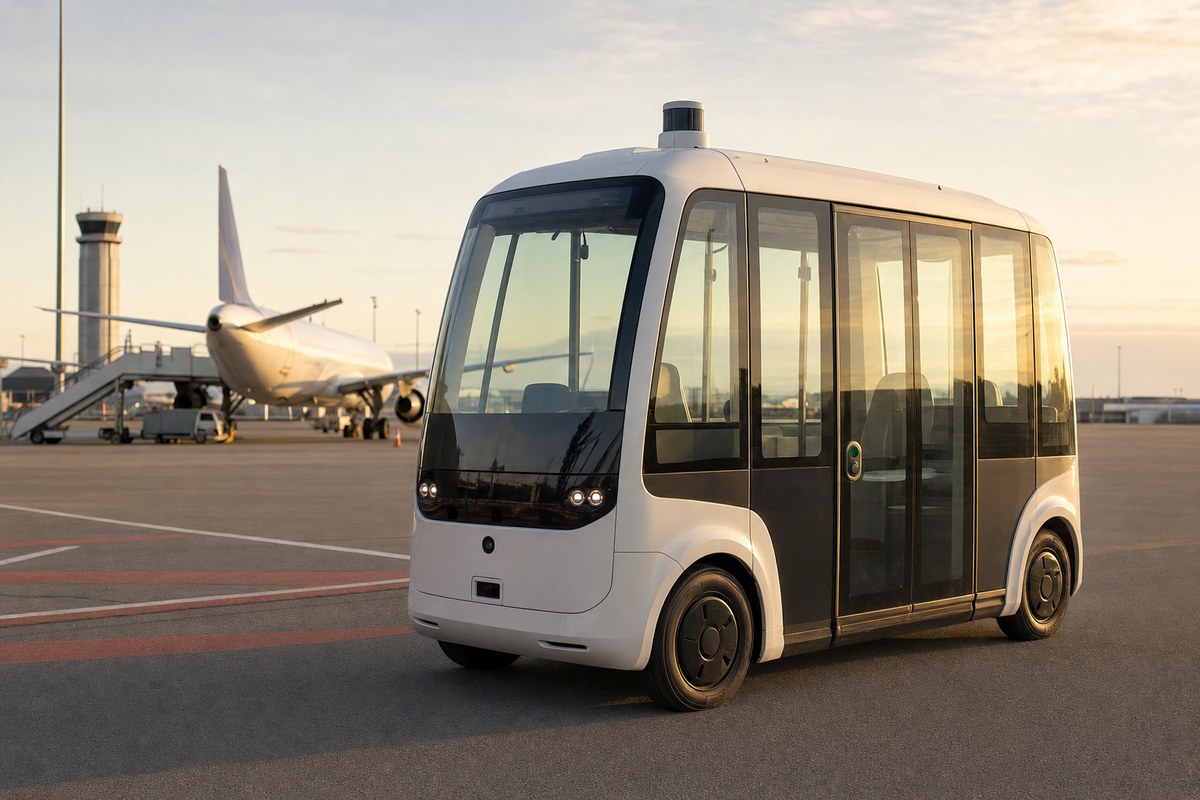
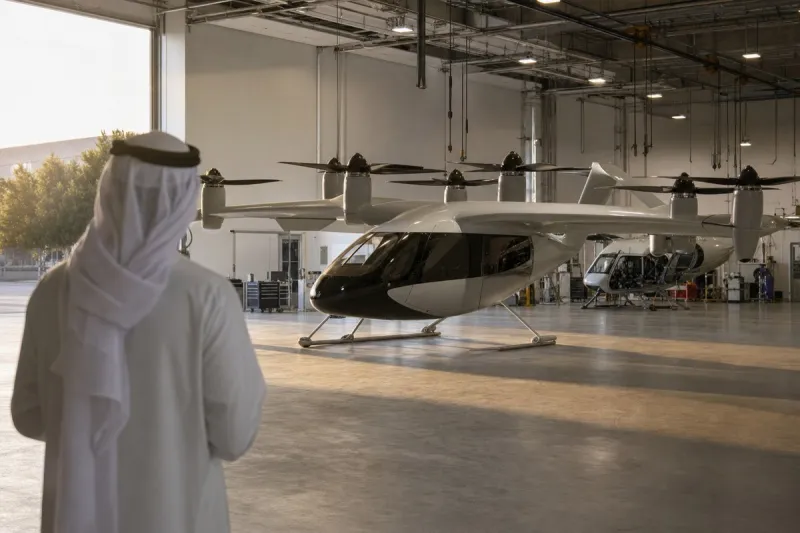
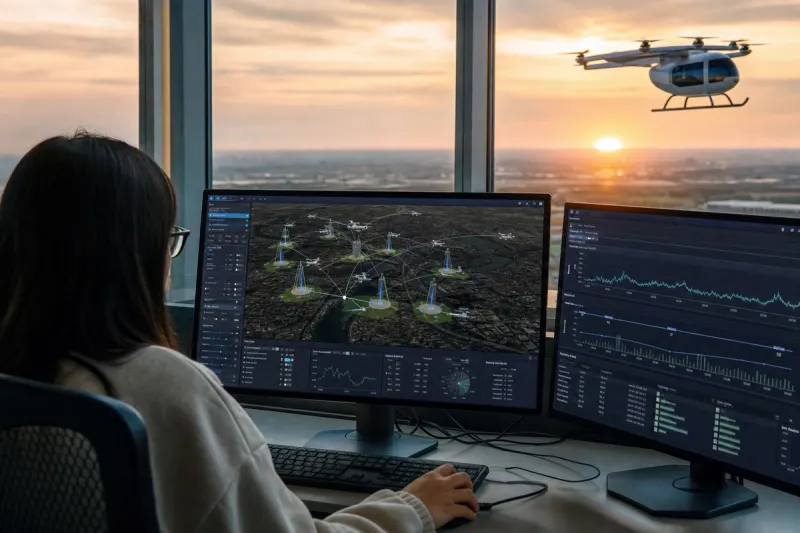
MiCa is an eight-passenger electric autonomous shuttle developed and manufactured in Estonia for moving people and goods in airports, industrial sites and urban environments. The Level 4 vehicle uses cameras and LiDAR sensors to perceive its surroundings and can be monitored and supported through a remote supervision centre. Under the remote supervision model, one supervisor can oversee several vehicles and intervene only when needed, instead of one driver being assigned to every vehicle. According to the company, this improves fleet utilisation and reduces operating costs.
The cooperation between Auve Tech and Magnetic MRO began in 2023 with testing inside the airport area and moved into commercial operations in 2025. Today, MiCa shuttles connect Magnetic MRO facilities on the airside, covering approximately 1,000 kilometres per week with an average autonomy rate of 99.9 per cent, transporting employees and equipment between hangars.
Kaarel Variksaar, CEO of Auve Tech, said a single remote operator can monitor multiple vehicles, a key step toward making autonomous transport economically competitive and scalable. Risto Mäeots, CEO of Magnetic Group, said the vehicles are already part of daily operations and that removing the onboard safety operator is an important next step toward greater efficiency and scalability. Riivo Tuvike, Chairman of the Management Board of Tallinn Airport, said Auve Tech began testing at the airport in 2023 and that Tallinn is now the first airport in Europe where an autonomous vehicle has been authorised to operate without an onboard safety operator.
Industry impact & what to watch
The economics of autonomous ground transport at airports turn on a simple ratio: how many vehicles one person can supervise. With a safety operator on board, a shuttle replaces a driver with a driver in a different seat, and the saving is mostly theoretical. Remote supervision changes that arithmetic, because staffing then scales with the number of interventions rather than the number of vehicles. That is the claim Auve Tech and its partners are making, and it is stated by the companies themselves rather than demonstrated in published cost figures.
The Tallinn setting is a favourable test of the idea. Airside routes between hangars are repetitive, access-controlled and used by a known workforce, which suits Level 4 operation far better than open public roads. The reported 99.9 per cent autonomy rate over roughly 1,000 kilometres a week shows the vehicles handle that routine well, but it also says the remaining fraction is where supervision workload sits, and that is the number a larger fleet would stress.
For airports and MRO providers elsewhere, the relevant comparison is with existing hangar-to-hangar and apron transport, where labour is a recurring cost and routes are fixed. The authorisation at Tallinn gives other regulators a reference case for how an operator-free permit can be granted within a live airport. Whether that permit model carries over to larger airports with denser traffic is the question the next deployments will start to answer.