Study of 683 Publications Finds Drone and eVTOL Emergency Medicine Outpacing Policy
Why It MattersEvidence for medical eVTOL remains thin and simulation-based, so near-term emergency aviation growth is likelier to come from drone delivery than from piloted eVTOL ambulances.
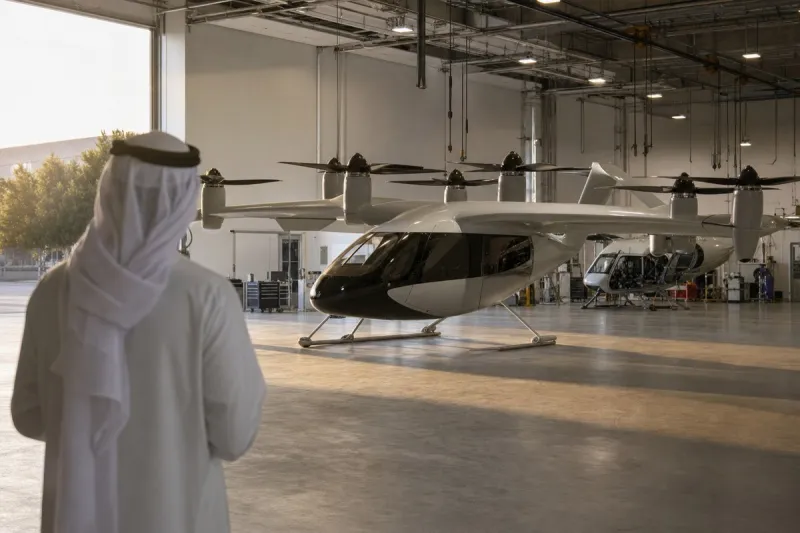
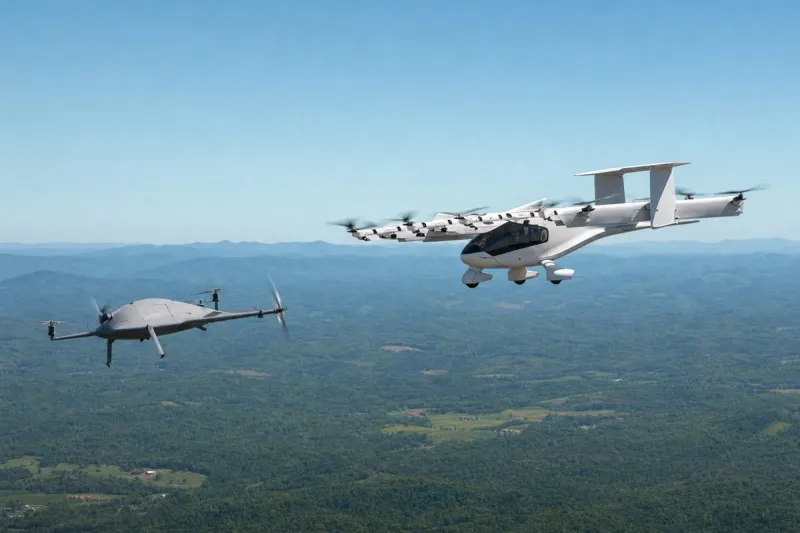
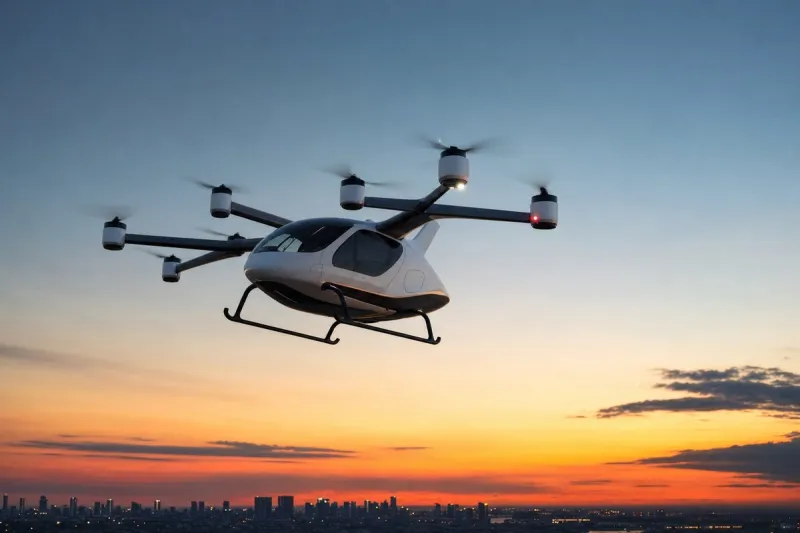
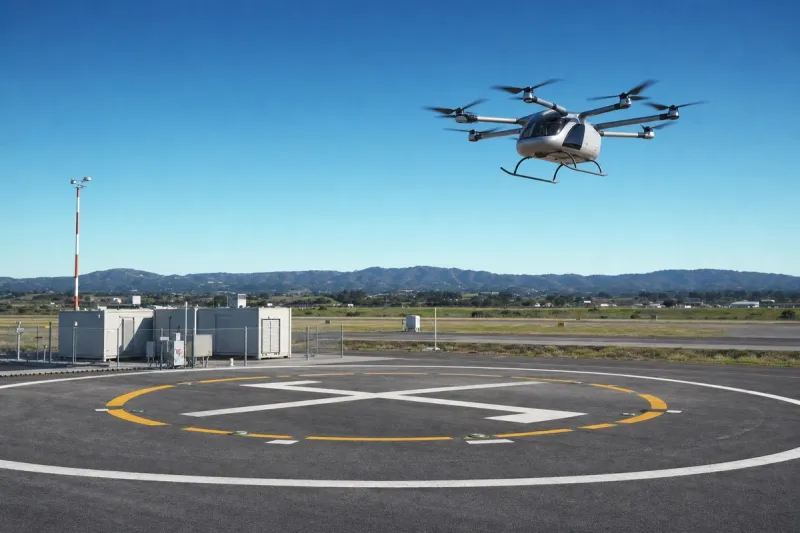
A study in Frontiers in Health Services by a Xuzhou Medical University team led by Zhiqiang Hao argues that eVTOL aircraft and unmanned aerial vehicles have become a frontier for emergency medical services, and that the binding constraint is now policy infrastructure rather than technology. The authors describe it as the first study of its kind in this domain. It combines a bibliometric analysis of 683 publications from 2015 to 2026, a scoping review of 168 studies and a policy analysis of 526 provisions.
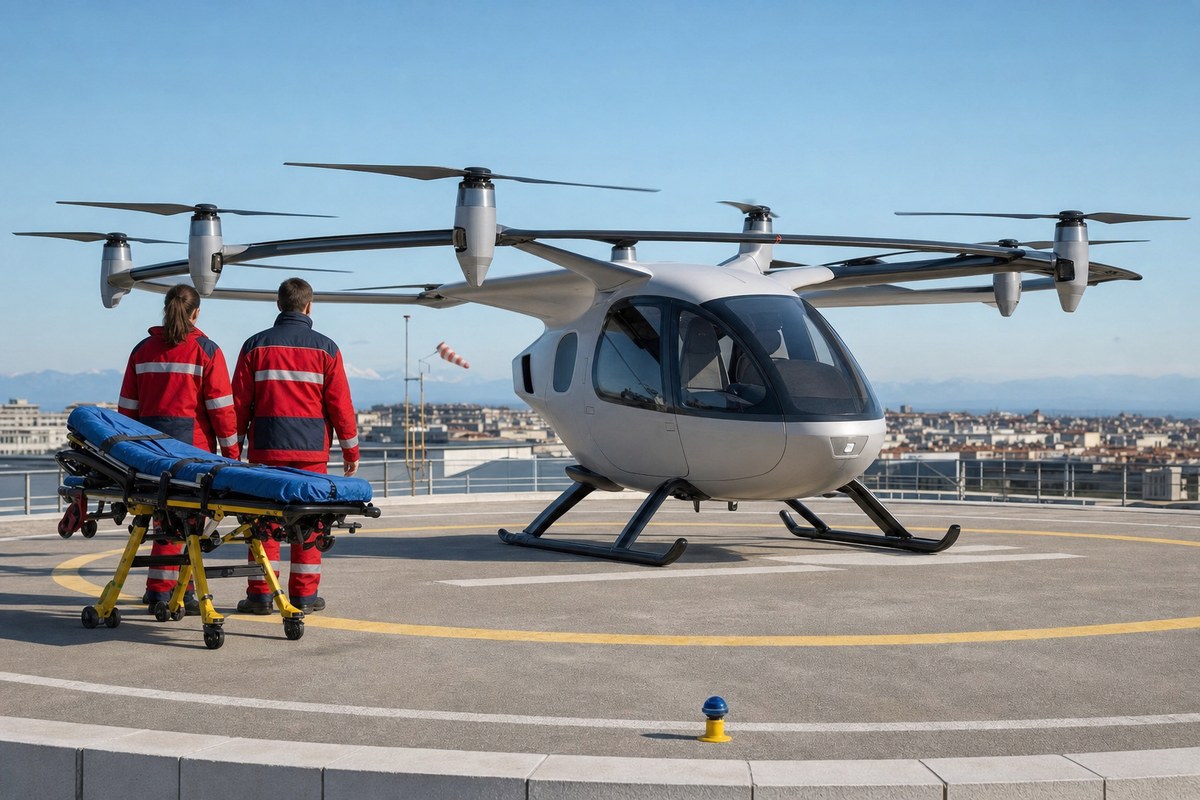
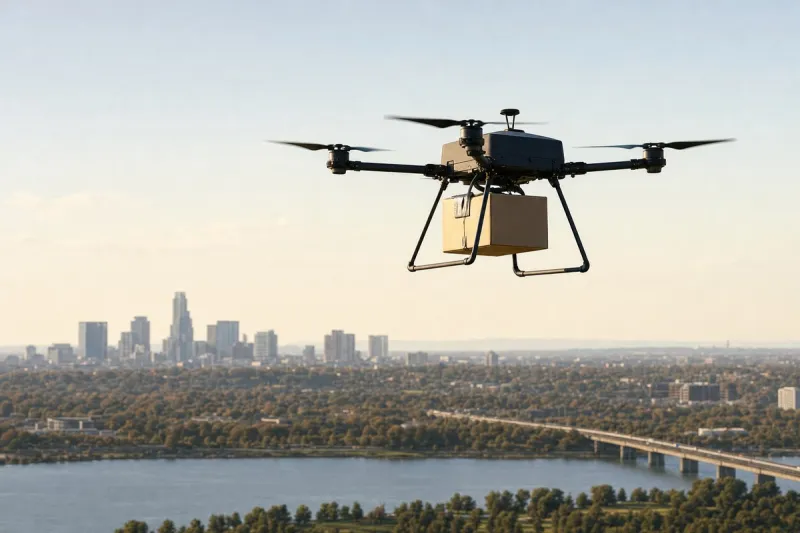
The bibliometric analysis found five thematic clusters and exponential growth in publications from 2022 onward. The largest cluster concerns drone-delivered automated external defibrillators for out-of-hospital cardiac arrest. Linkage strength between the eVTOL technology cluster and the health policy cluster was 0.12, against 0.67 between the drone defibrillator and logistics clusters. Only nine publications addressed eVTOL aircraft specifically in medical or health contexts.
In the scoping review, drone-delivered defibrillators arrived before ambulances in 67% of cases, with a median lead time of 3 minutes 14 seconds, based on work by Schierbeck and colleagues in Sweden. In Aalborg, Denmark, semi-autonomous drones delivered successfully in all 16 eligible cases, though the median drone response of 4 minutes 47 seconds was slower than the ambulance response of 3 minutes 25 seconds. A Canadian model drawing on 22,017 out-of-hospital cardiac arrests in Ontario evaluated 964 drone network configurations, and all were cost-effective under the model's assumptions.
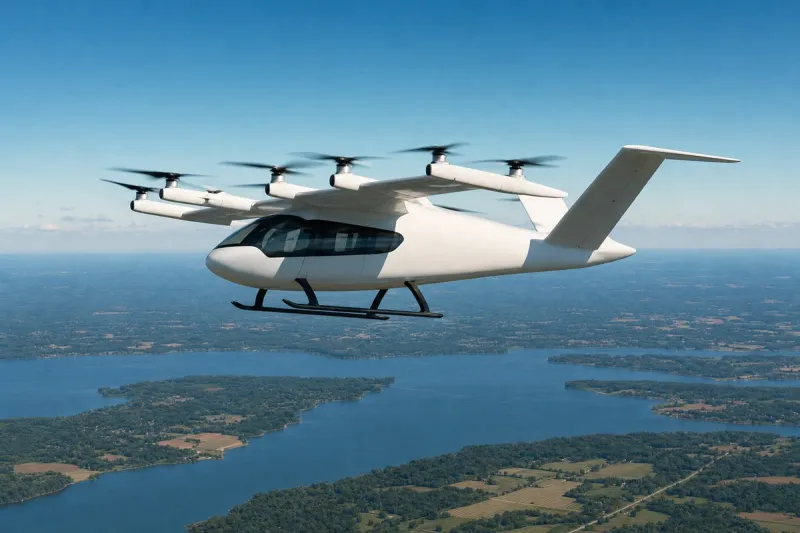
Evidence for eVTOL remains largely simulation-based. A model of 6,217 cardiac arrest cases in Greater Paris and Metro Vancouver found that one to two VTOL ambulances cut advanced life support arrival times from 21 minutes to 7–9 minutes in Paris and from 12 minutes to 7–9 minutes in Vancouver. Battery charge times would need a four-fold reduction before eVTOLs could compete with ground ambulances on transports under 40 kilometers.
The policy analysis found environmental tools accounted for 38.4% of the 526 provisions, supply-side tools 36.9% and demand-side tools 24.7%. The mean Policy Modeling Consistency Index was 7.46, rated "Good", with timeliness (0.73) and policy measures (0.72) the weakest dimensions. Talent cultivation drew the least attention along the emergency rescue value chain, at 12.4% of coding units. The authors propose a "dual-wheel drive, four-chain integration" framework and acknowledge limitations including no formal risk-of-bias appraisal and a policy corpus limited to Chinese national and provincial documents. China designated the low-altitude economy an "emerging pillar industry" in its 2026 Government Work Report.