China's Low-Altitude Economy Scales Up: 3.287 Million Registered Drones and a Tiered Regulatory Model
Why It MattersCargo-first licensing, mandatory real-time reporting and designated airspace point to a state-paced scale-up in which drone logistics matures well ahead of passenger air mobility.
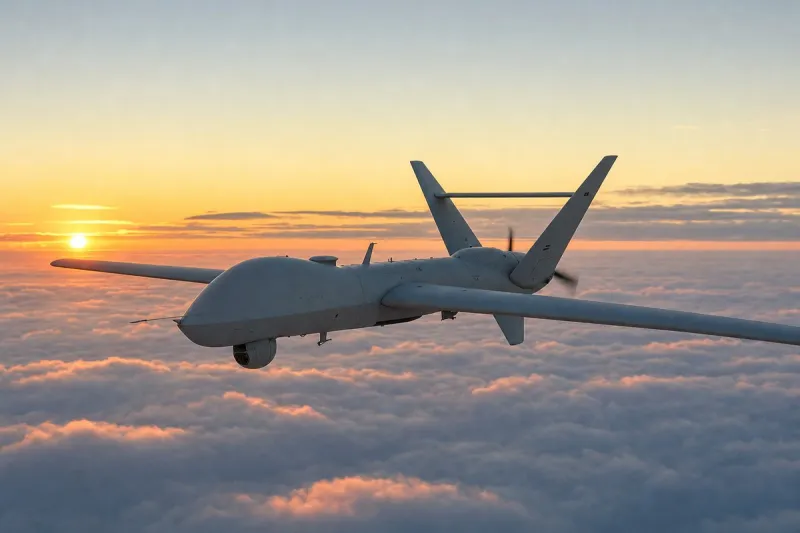
China's low-altitude economy covers manned and unmanned aircraft operations typically below 1,000 meters, together with the production chain, infrastructure and services around them. It has featured in the Government Work Report since 2024 and is identified as a new emerging pillar industry in the 15th Five-Year Plan (2026-2030). Civil Aviation Administration of China (CAAC) data show 3.287 million registered unmanned aerial vehicles at the end of 2025, up 51% year on year, with total flight hours of 45.3 million, up 69.9%.
The regulatory model rests on central rule-setting, local pilot programs and gradual expansion with tighter supervision. The Provisional Regulations on the Management of Unmanned Aerial Vehicle Flights, published by the State Council and the Central Military Commission in 2023 and effective from early 2024, classify all airspace above 120 meters above ground as controlled. The NDRC set up a Low-Altitude Economic Development Department at the end of 2024, and the CAAC is to establish a Low-Altitude Safety Department by May 2026.
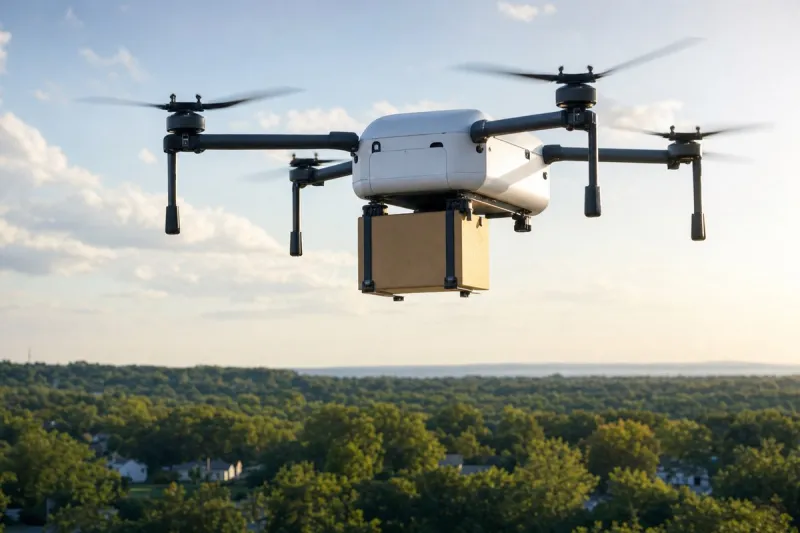
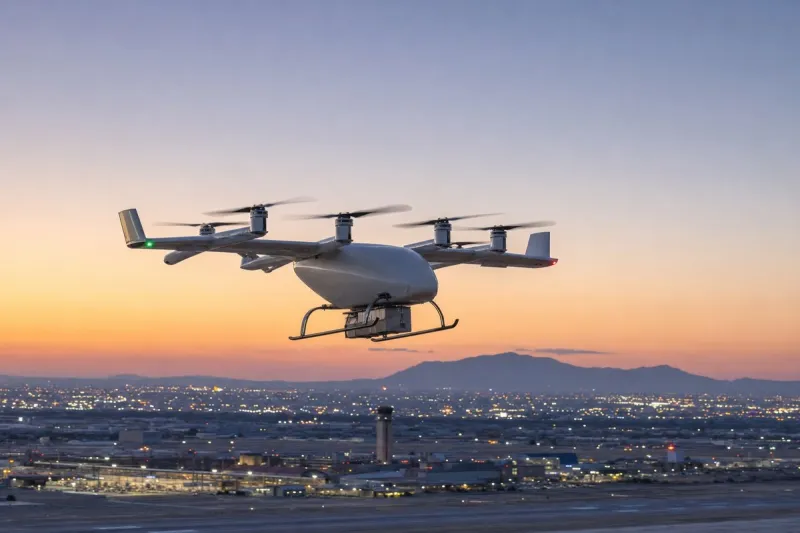
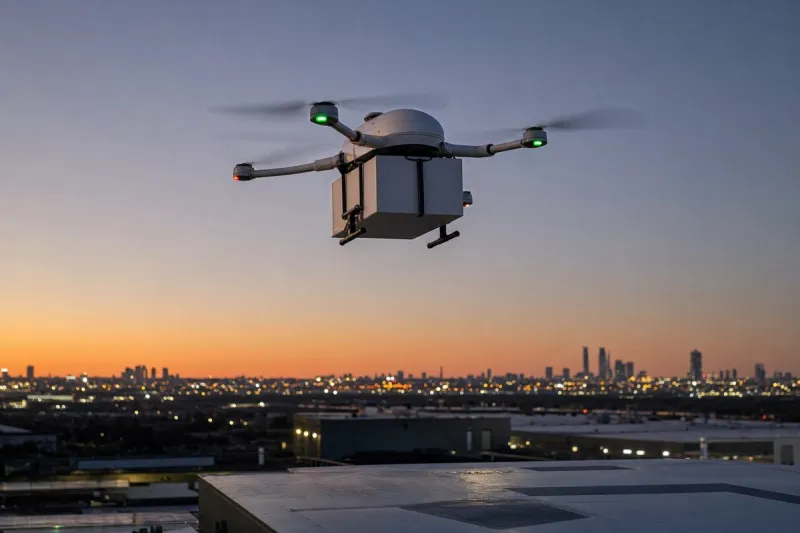
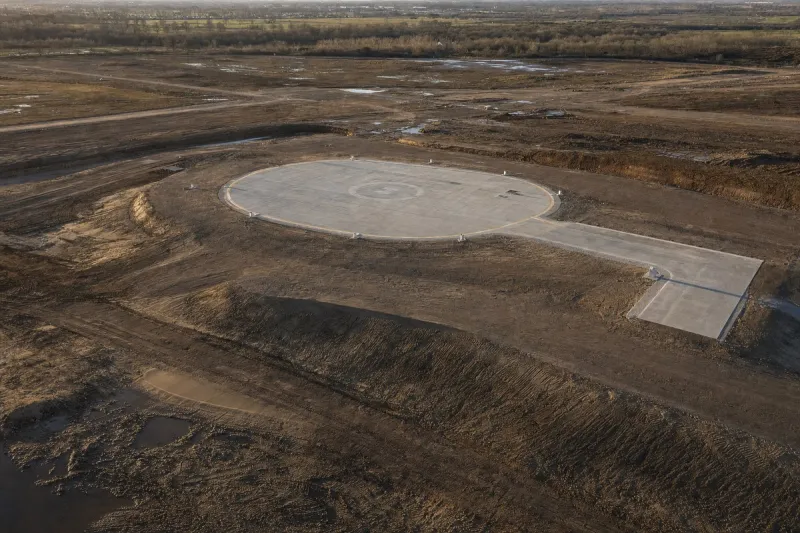
Shenzhen, home to drone maker DJI, issued China's first local legal document on the sector, effective February 1, 2024. By the end of 2025 the city had 1,284 takeoff and landing points, and drones completed more than 1 million cargo flights in 2025. It had 310 cargo routes, including 82 opened in 2025 and not counting 8 intercity routes.
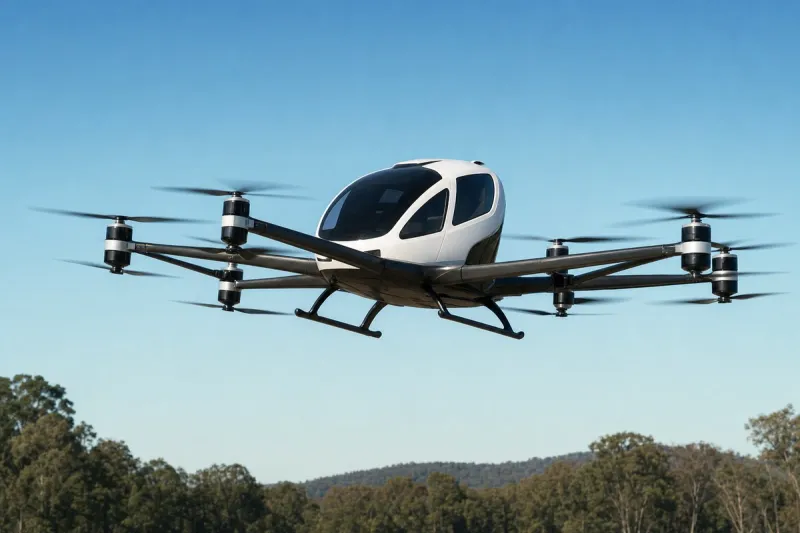
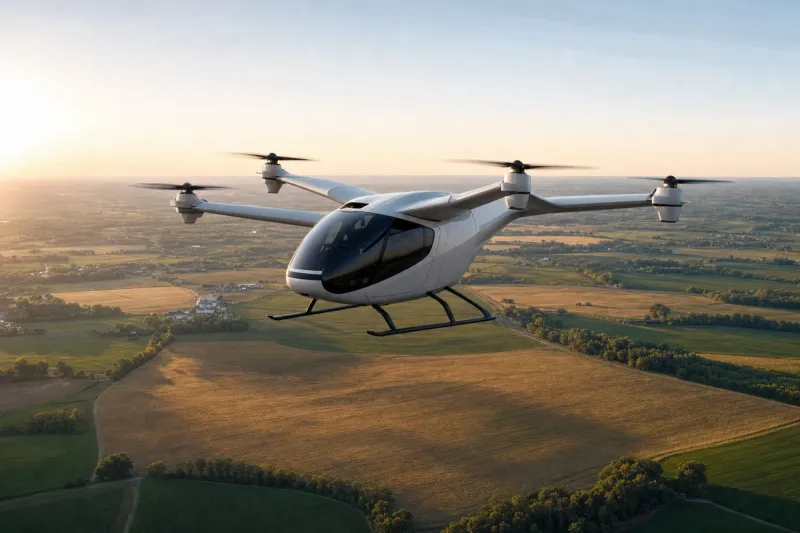
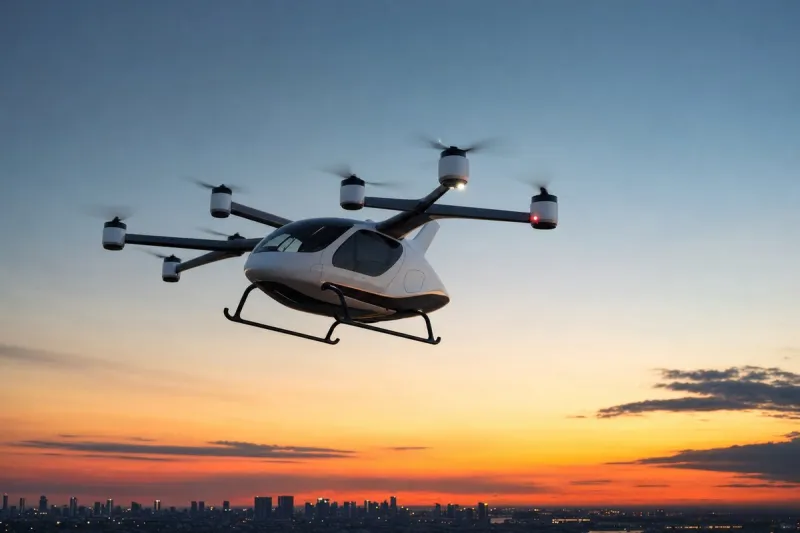
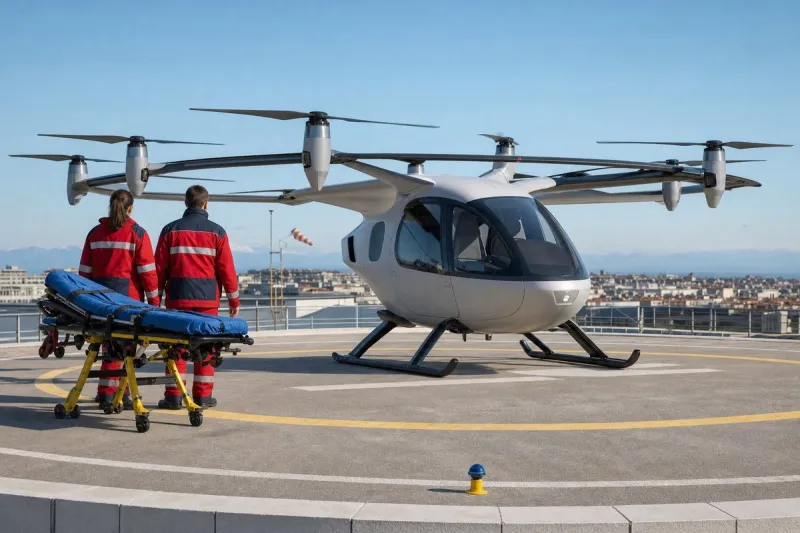
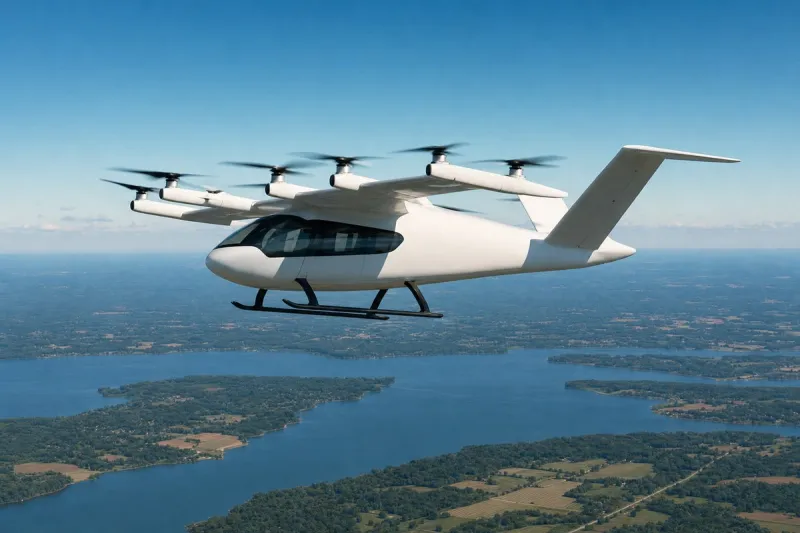
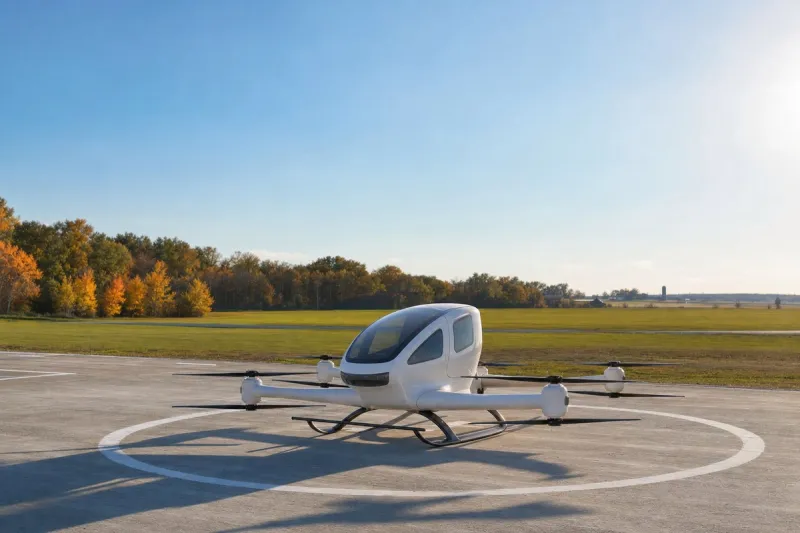
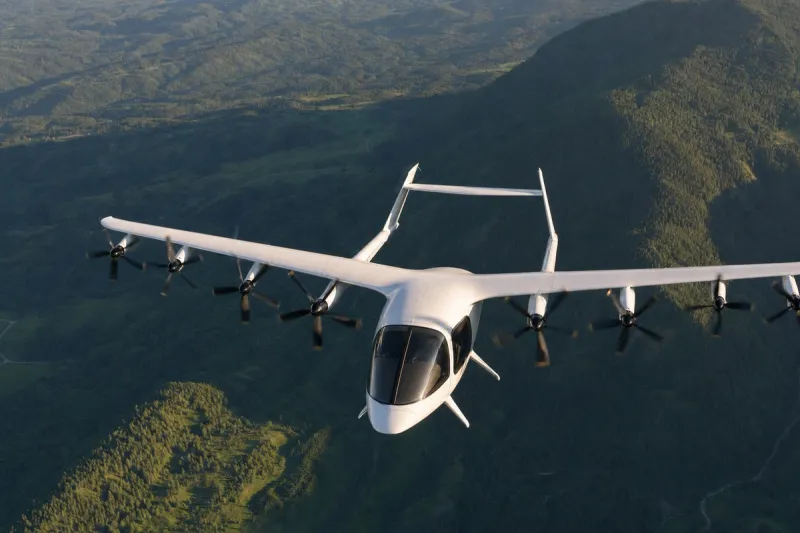
Passenger services are being licensed more cautiously. EHang's EH216-S autonomous passenger aircraft received CAAC certification in October 2023 and production certification in April 2024, but the first operating licenses for passenger aircraft went to two companies only on March 28, 2025. EHang said sightseeing flights and some passenger services are available via ticket sales in Guangzhou and Hefei. The NDRC said in December 2025 that expansion will proceed with cargo before passengers, separate airspace before shared airspace, and suburban areas before urban areas.
Supervision is tightening. Illegal flying in controlled airspace can bring fines of up to RMB 10,000 (about US$1,486) and equipment confiscation, and from January 1, 2026 administrative detention of 5-10 days applies in relatively serious cases. Two mandatory national standards effective May 1, 2026 require new civilian drones to be registered under the owner's name, activated before use and to continuously report location, speed and status to regulators. The NDRC's low-altitude department said on April 17, 2026 that agencies were studying expansion of a "scan-to-fly" model, and dedicated airspace has since been designated in Shanghai and Sichuan where users can fly immediately after scanning a declaration code.