Greenfield Vertiports Offer Space for eVTOL Aircraft but Raise Land-Use, Biodiversity and Energy Questions
Why It MattersSiting is becoming a gating issue for advanced air mobility, since planning consent, environmental assessment and grid capacity can matter as much as the aircraft in deciding where vertiport networks can open.
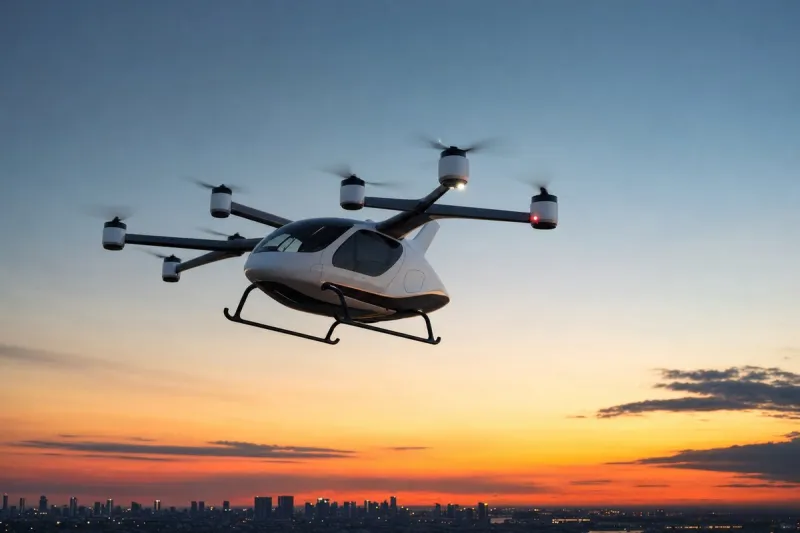
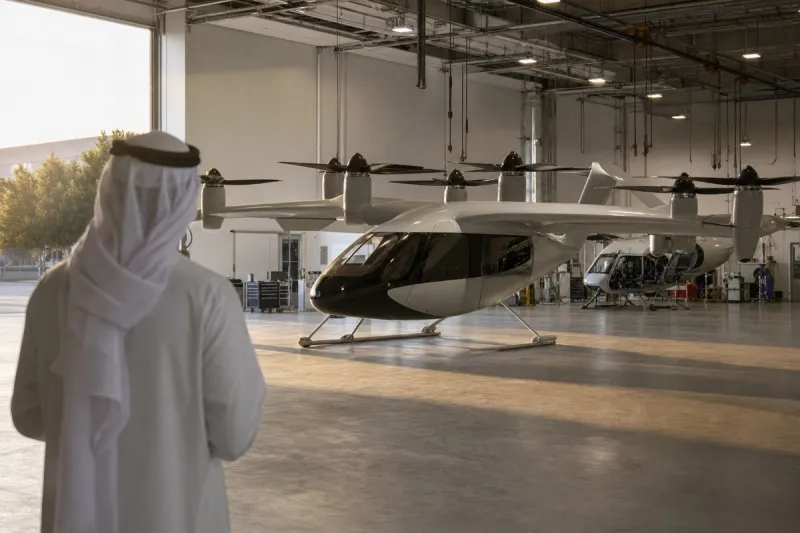
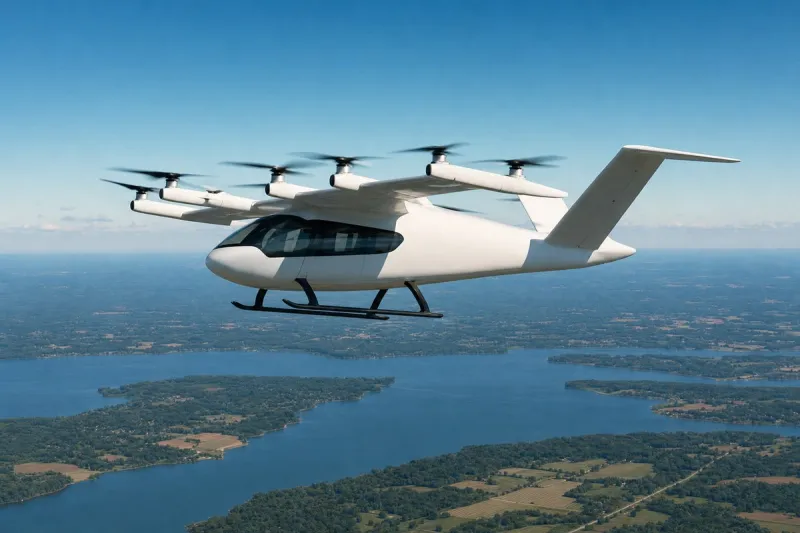
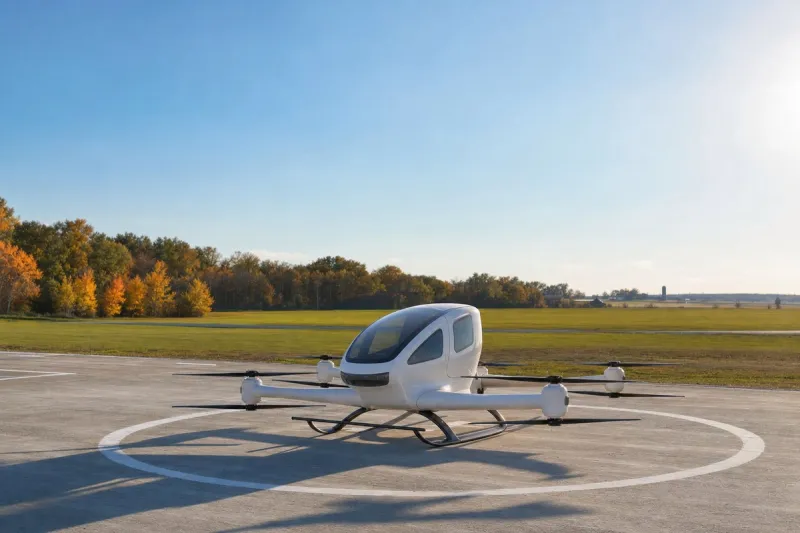
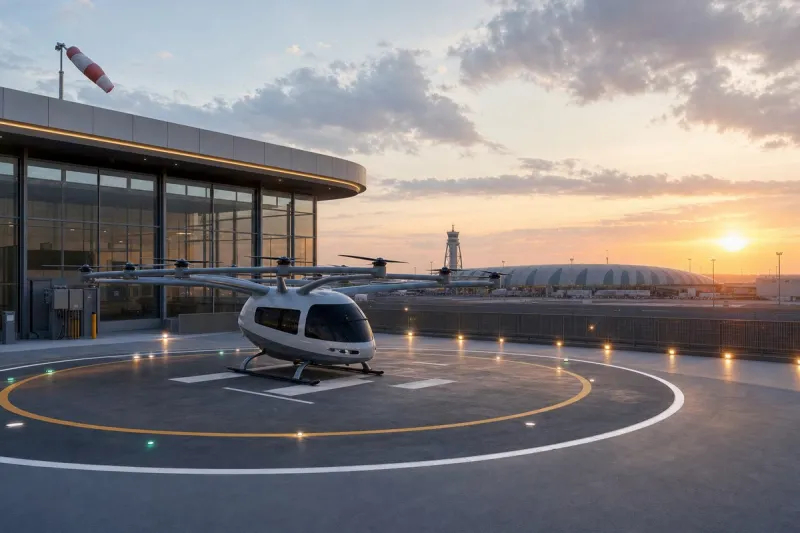
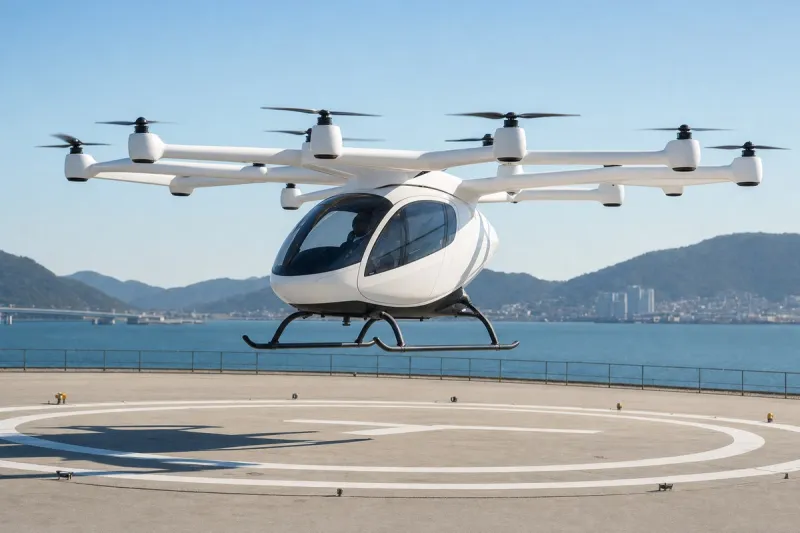
Greenfield sites are being considered as a way to find space for vertiports, the infrastructure that electric vertical take-off and landing (eVTOL) aircraft will use. Building on undeveloped land can involve land clearance, with potential habitat loss, changes to drainage and a higher risk of flooding. Earthworks, concrete and steel carry embodied carbon, new roads and supporting infrastructure generate their own emissions, and replacing permeable ground with hardstanding can increase surface-water runoff. Developers may still prefer greenfield land to existing airports, heliports, rooftops or brownfield locations because of land availability, proximity to population centres and passengers, and airspace constraints around busy airports. A greenfield facility can also be designed around eVTOL operations from the start rather than retrofitted, which could reduce costs and shorten the development timeline, though the cheapest site to build is not necessarily the one with the lowest environmental impact.
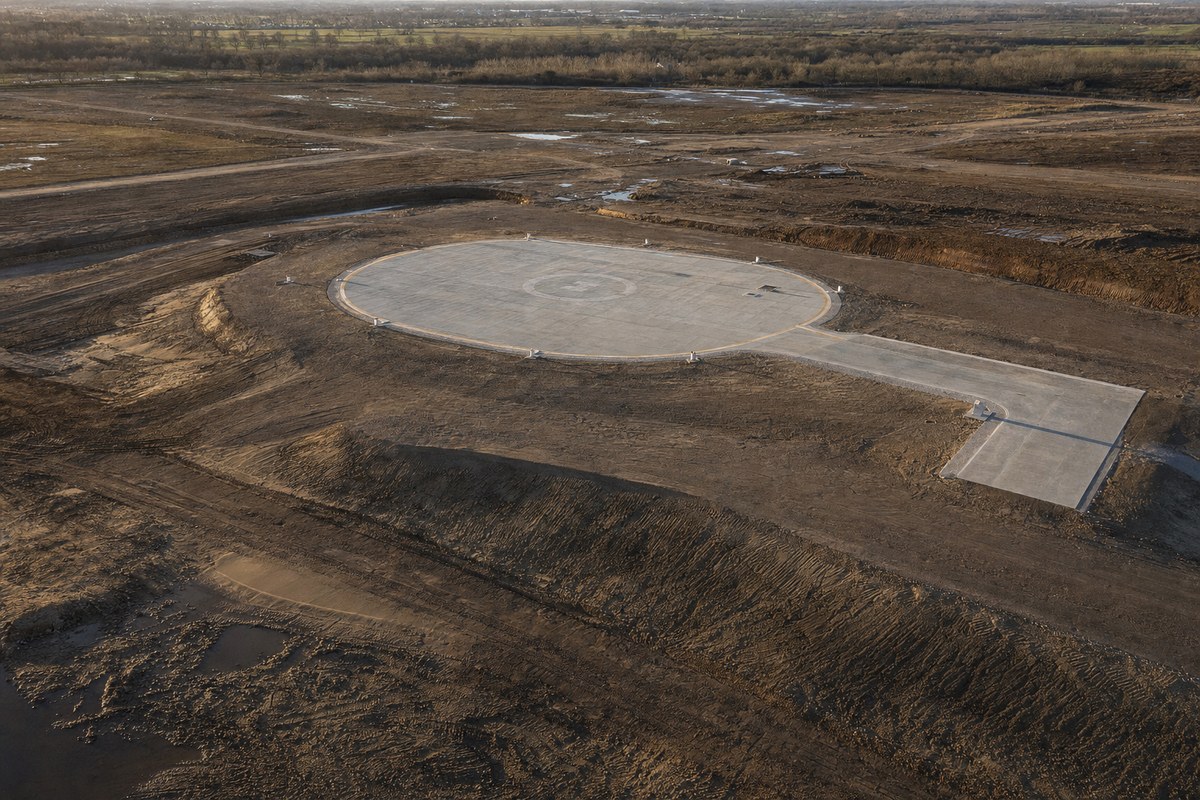
In the UK, the Civil Aviation Authority (CAA) has issued guidance for vertiport developers, including those considering greenfield locations. It encourages consultation with affected communities and sustainable passenger and staff access such as walking, cycling and public transport, and says developers should contact the local planning authority early to determine whether an Environmental Impact Assessment is required. Such an assessment can cover biodiversity, water quality, flood risk, wildlife and protected species. Rasha Alshami, CEO and managing director of LYNEports, said the most important principle is to assess aviation viability before acquiring a site or committing significant capital. She warned that rooftop or on-site solar generation should not automatically be assumed to meet the full charging demand of electric aircraft, and that the energy strategy must reflect expected movements, charging profiles, turnaround requirements, grid capacity, resilience requirements and future expansion.
A study by Connected Places Catapult found that a simple vertiport, including one on a greenfield site, could have a smaller environmental footprint than a train station, which needs more land and connecting infrastructure. The report noted that repurposing brownfield land would have the smallest impact, but that at its simplest a vertiport requires little more than a flat piece of land. Skyports Infrastructure will develop the UK's first vertiport test bed at Bicester Motion, a 444-acre future mobility estate in Oxfordshire, and it was the first vertiport infrastructure project in the UK to secure planning consent. With Vertical Aerospace, Skyports has proposed a compact 160 m2 passenger terminal and vertiport alongside the site's existing general aviation grass runways. Some local groups have criticised the designs, and the planning process has raised questions about noise, ecology, biodiversity, traffic and the site's landscape and heritage value.
At Langley Regional Airport in British Columbia, Canada, architects Perkins&Will provided a roadmap for incorporating advanced air mobility passenger and cargo services. The proposed development across green and brownfield land would combine dedicated aviation facilities with a landside commercial campus, using prefabricated and mass-timber components and 'biophilic' design elements. Project design director Adrian Watson said successful vertiports should be welcoming and familiar, comparing them in form and function to a small ferry pier.