Austrian Aviation Operators Face Tight 2026 EU ETS Cycle as CORSIA First Phase Ends
Why It MattersOperators administered by Austria face a stacked compliance calendar across two overlapping carbon regimes, raising administrative load and penalty exposure for carriers touching Austrian and wider EEA airspace.
A compliance guide published by Global Law Experts says 2026 is a consequential year for aviation emissions obligations in Austria. It marks the end of the first phase of CORSIA, the ICAO Carbon Offsetting and Reduction Scheme for International Aviation, while significant revisions to the EU Emissions Trading System (EU ETS) continue. Carriers flying into, out of and within Austrian airspace face a tightly scheduled cycle of monitoring, reporting, verification and allowance surrender obligations enforced by Austrian authorities.

The EU ETS applies principally to flights between airports in the European Economic Area, under a framework derived from Directive 2003/87/EC and its implementing legislation on aviation monitoring and reporting. Operators administered by Austria must monitor, report and surrender allowances for emissions from those covered flights. The treatment of flights to or from non-EEA countries depends on scope rules set at EU level, which have been adjusted several times. CORSIA is an ICAO offsetting scheme rather than a cap-and-trade market.
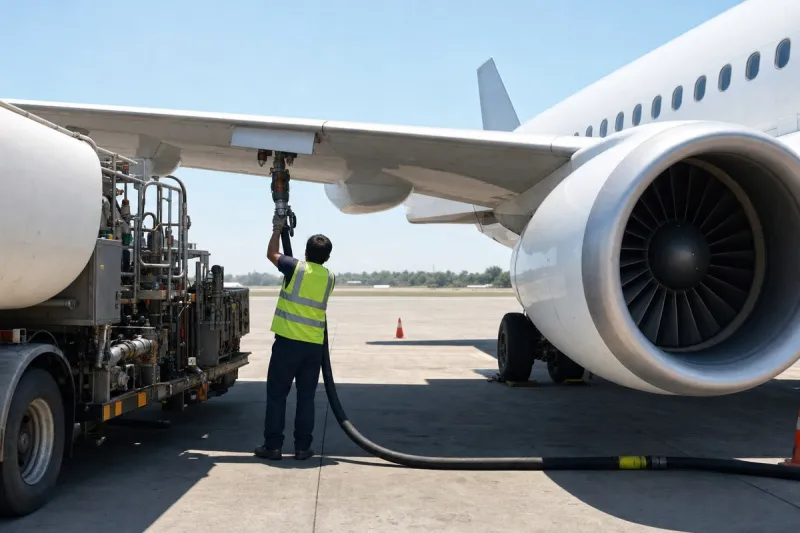
The guide lists the core steps for an Austrian-administered operator: confirm that Austria is the administering Member State; obtain an approved monitoring plan before the start of the reporting period; hold a Union Registry account with authorised representatives; appoint an accredited verifier ahead of the annual cycle; submit a verified annual emissions report covering the previous calendar year; and surrender allowances equal to verified emissions by the regulatory deadline. Emissions are generally calculated from fuel consumption data and applicable emission factors.
Austrian authorities can impose administrative sanctions for late or incorrect reporting and for failure to surrender allowances, and the excess emissions penalty under the Directive is a particularly severe exposure. Austrian ministries have been renamed and reorganised, so operators should confirm the responsible ministry's current name and competences, and the Umweltbundesamt (Austrian Environment Agency) provides technical and implementation support. The guide states that it is general guidance and not formal legal advice.