Propeller Drones CEO: Drone-as-a-Service Sells on Measurable Value, With Autonomy the Key to Scale
Why It MattersThe piece frames drone services as an operator-run, outcome-priced subscription, pointing to autonomy and docked flight without on-site pilots as the lever for scaling beyond today's regulatory limits.
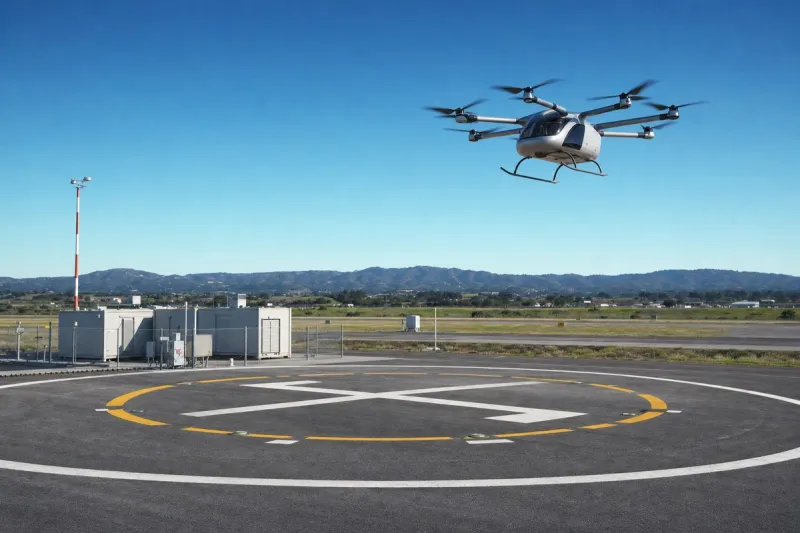
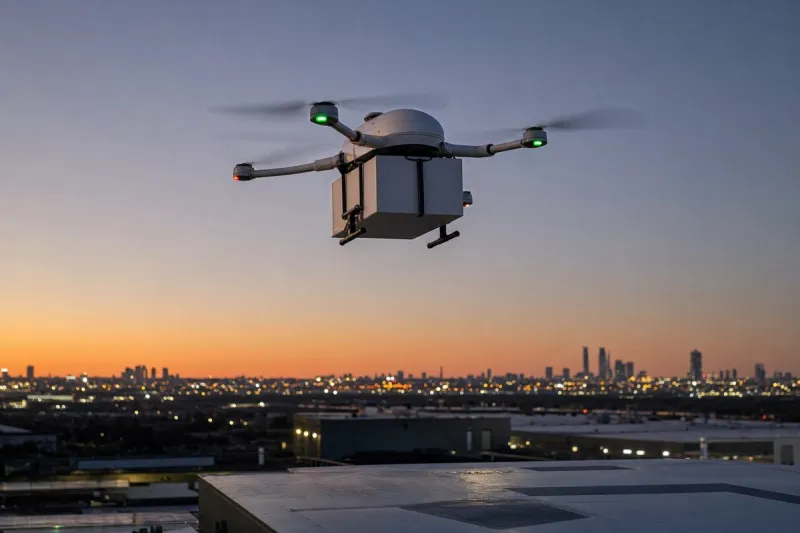
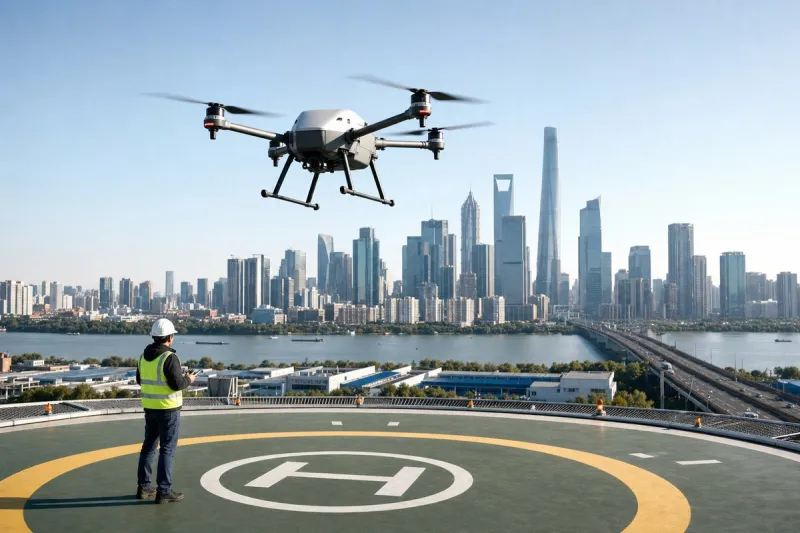
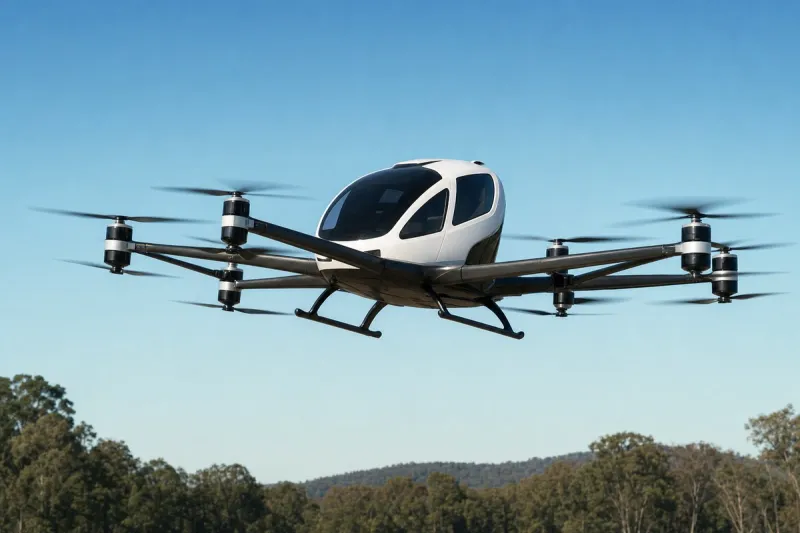
In an opinion piece written in collaboration with Propeller Drones Ltd., the company's founder and CEO Itamar Kohali, a reserve colonel, argues that urgency of need determines how quickly a customer arrives, but only visible, measurable value determines whether the customer signs and stays. Propeller Drones describes itself as Israel's largest drone services provider. Under the drone-as-a-service model, the customer buys no aircraft and holds no license: the operator installs the station, holds the approvals, trains dispatchers, maintains the fleet and carries responsibility, while the customer pays monthly for an outcome such as a patrol, a survey or a defect list. Kohali says the company's stations put a drone in the air within 15 seconds of a call; it flies for 54 minutes, recharges in 27 and is directed by a dispatcher in a control room.
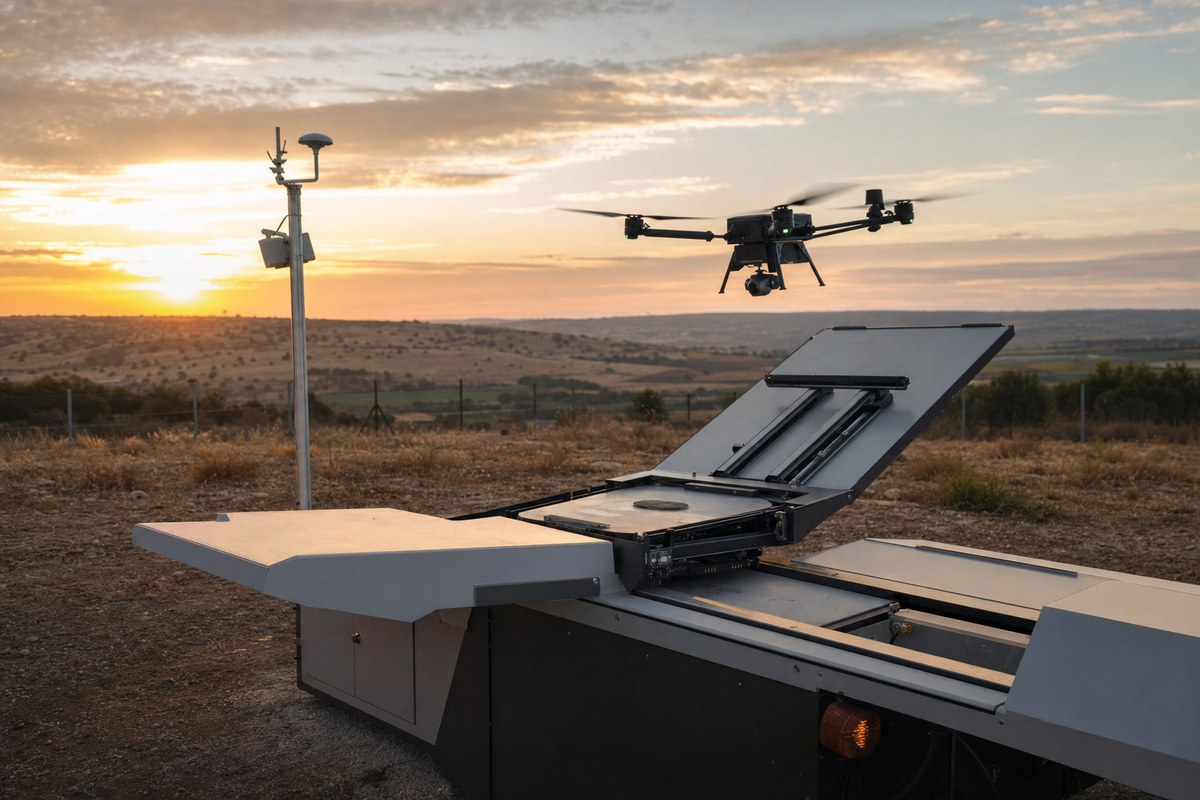
Kohali cites several examples. After a missile fired from Yemen fell in open ground near Lod, central Israel, on September 15, 2024, a control room at a power station, where an autonomous drone had been installed six weeks earlier, had live video of the impact area before anyone left the gate. In another case, the company's analysis of an 88-megawatt solar field in southern Israel this summer found dozens of dead strings while the site's monitoring reported normal operation; he puts the loss at well over $100,000 a year. He also points to Chula Vista, California, where police have sent drones.
On market size, he notes that PwC in 2016 valued the business services and labor that drones could replace at more than $127 billion, whereas Drone Industry Insights sizes the commercial drone-services market at about $29 billion. EASA figures from November 2025 count 2.5 million registered drone operators across 31 states and 4,226 operational authorizations. In the United States, the proposed rule for routine beyond-visual-line-of-sight flight was put forward in August 2025 and, as of early October, remained unpublished.
Kohali says Propeller Drones flies more than 15,000 missions a year for more than 200 business customers and trains close to 1,000 commercial operators a year through its academy. Its process starts from the customer's own baseline, through a site visit, a survey and a pilot with agreed metrics, rather than a demonstration flight. He says the company is starting urban delivery work with Israel's Innovation Authority, and acknowledges it erred by selling technology rather than measurable value.