Advanced air mobility market estimated at USD 400.6 million in 2025, forecast to reach USD 15,018.6 million by 2035
Why It MattersDemand is concentrating around a few eVTOL makers with large pre-order books and early vertiport certification, shifting the market from prototypes toward airline-backed operations anchored in the Gulf and Asia.
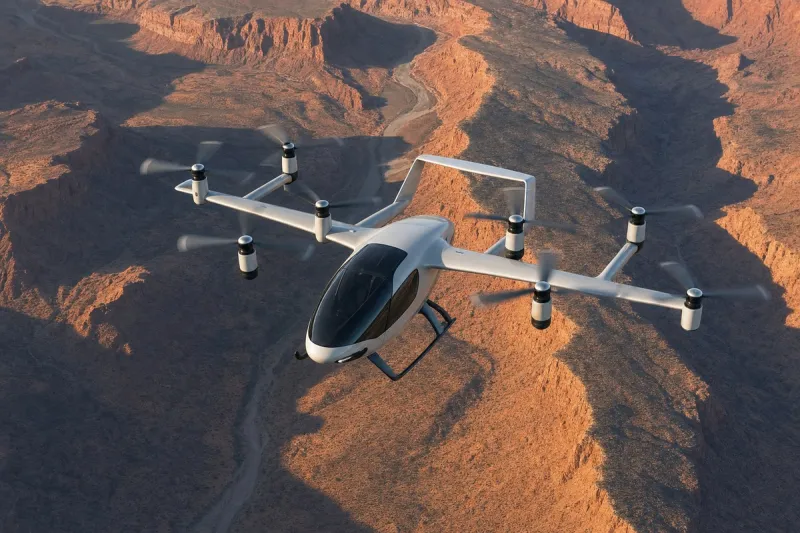
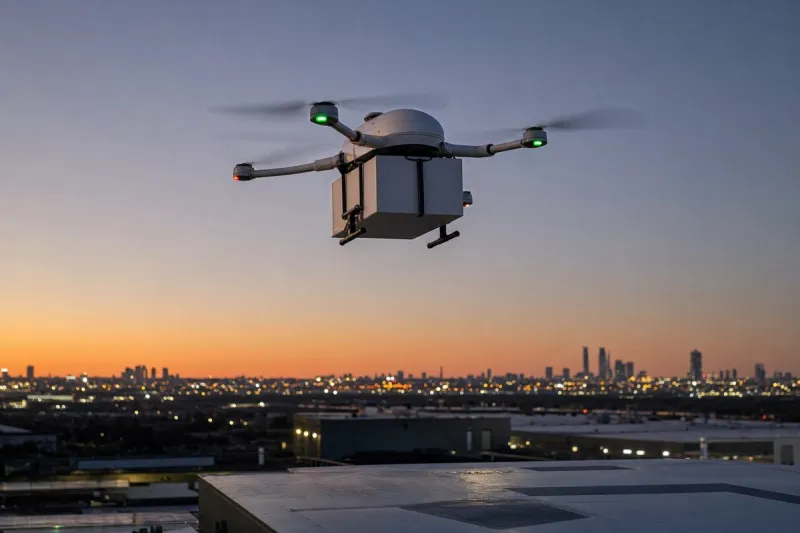
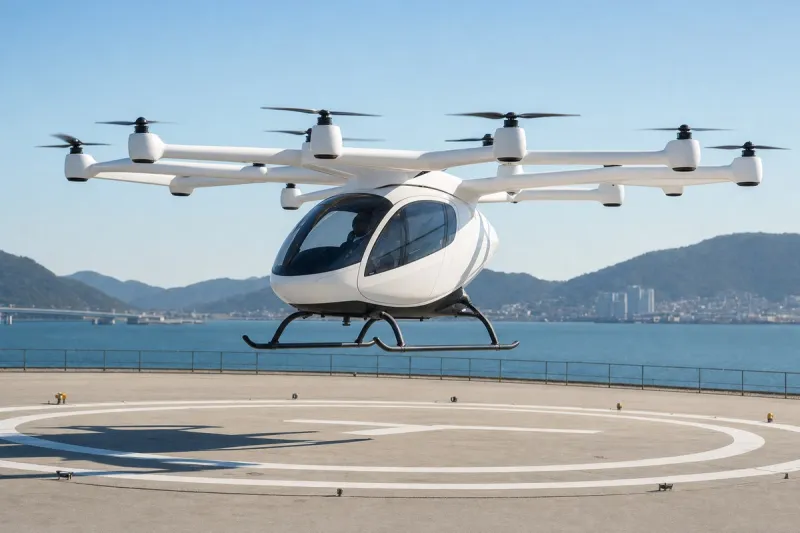
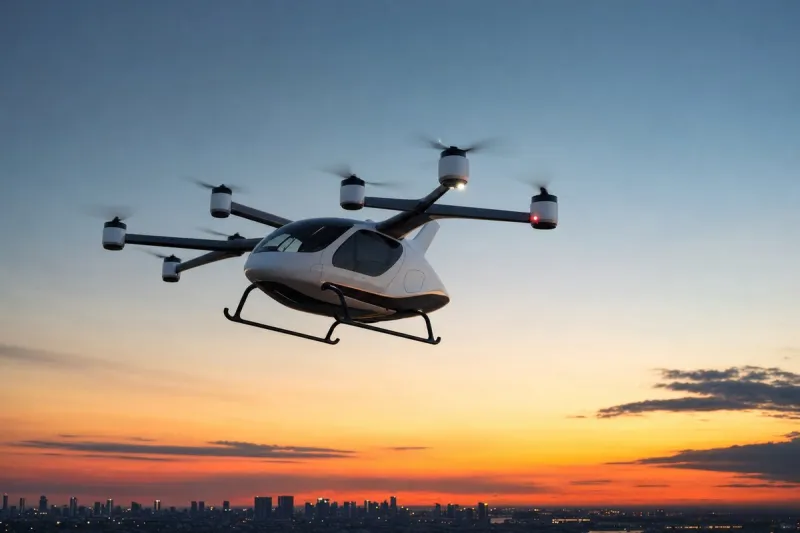
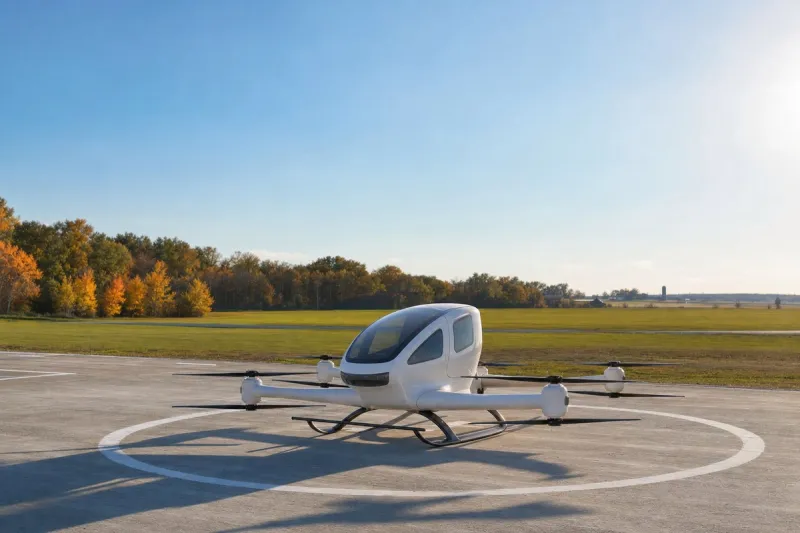
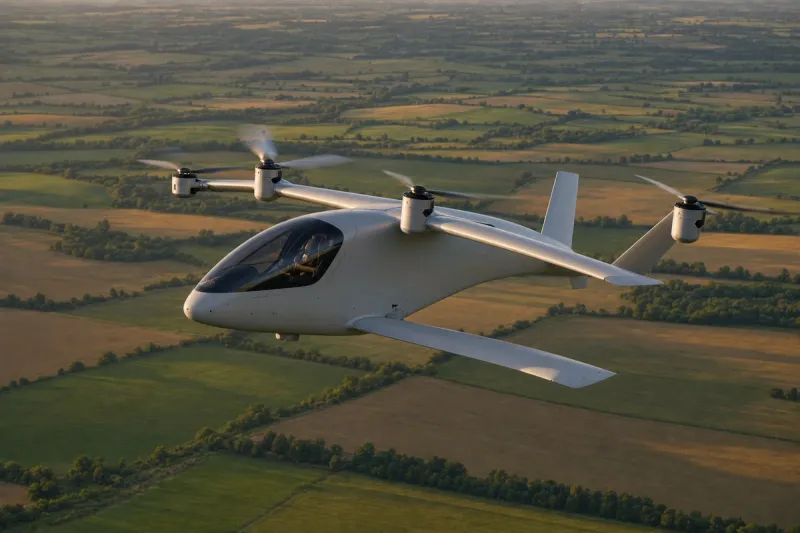
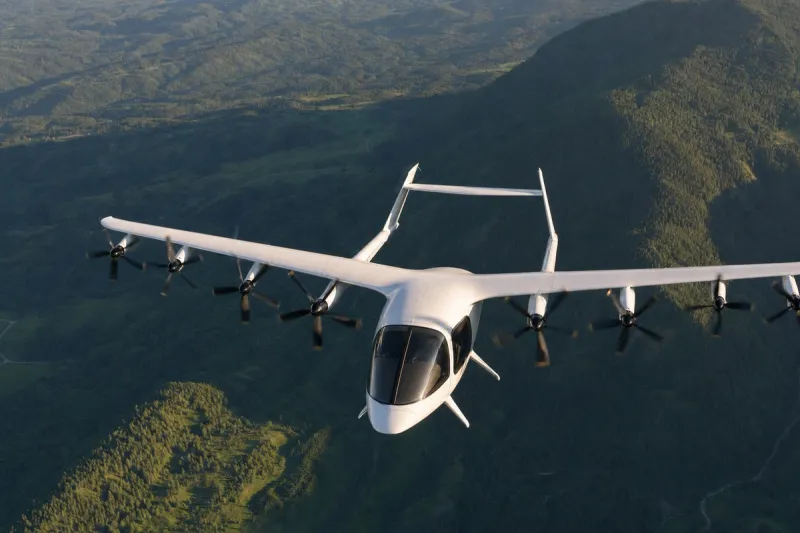
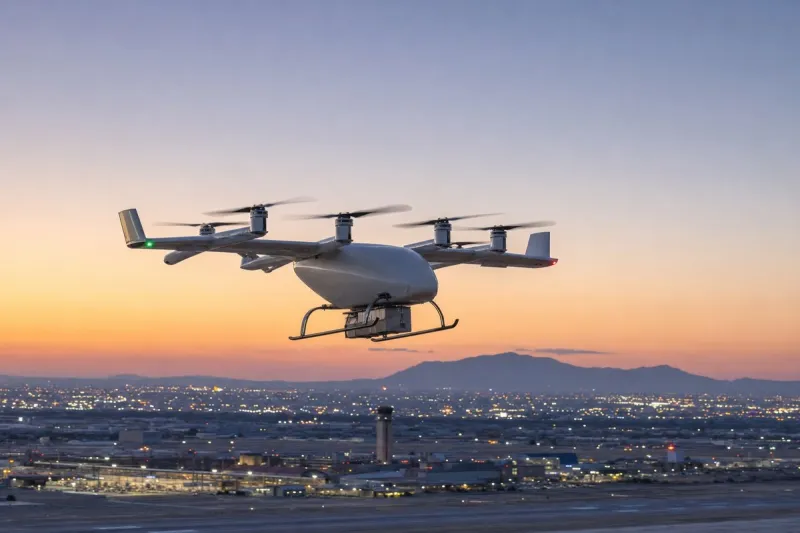
The advanced air mobility market is estimated at USD 400.6 million in 2025 and is projected to reach USD 15,018.6 million by 2035. It covers electric vertical take-off and landing (eVTOL) aircraft and associated infrastructure for short-range passenger and cargo flights in and between urban areas, including vertiports, charging and traffic management. Conventional helicopters and long-range fixed-wing aviation are excluded.
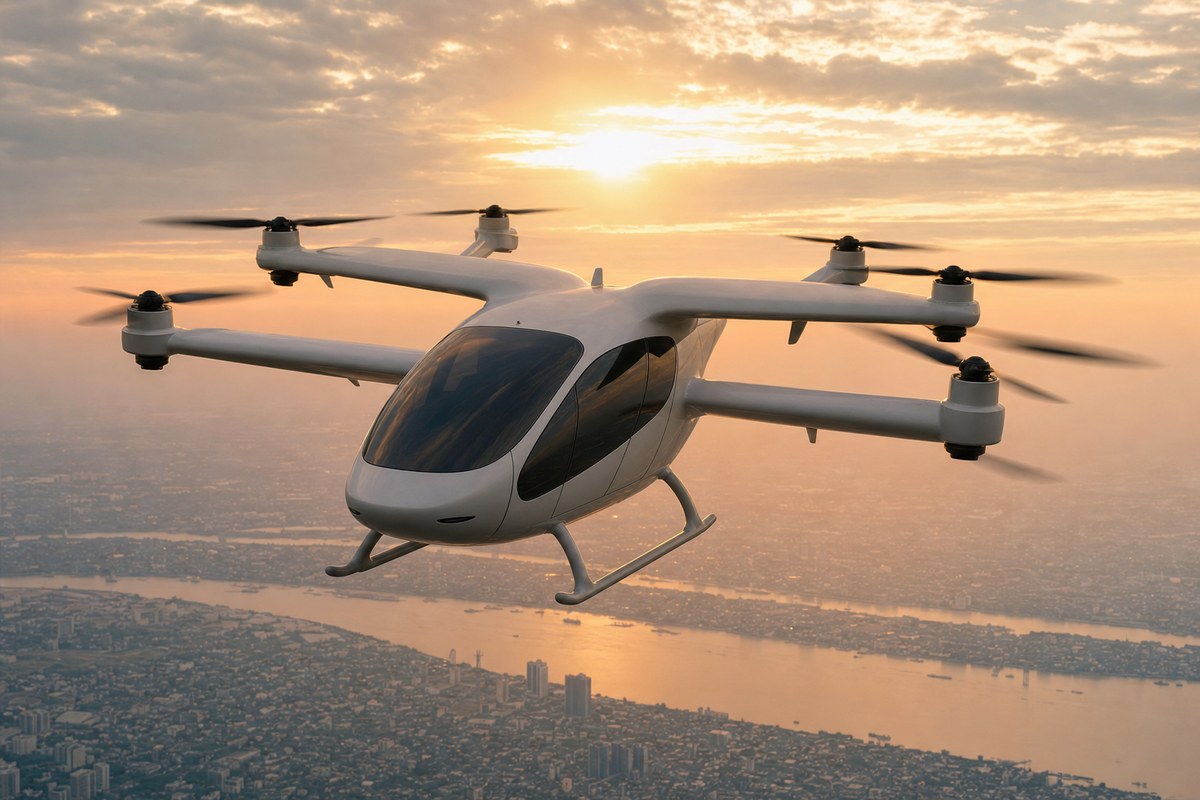
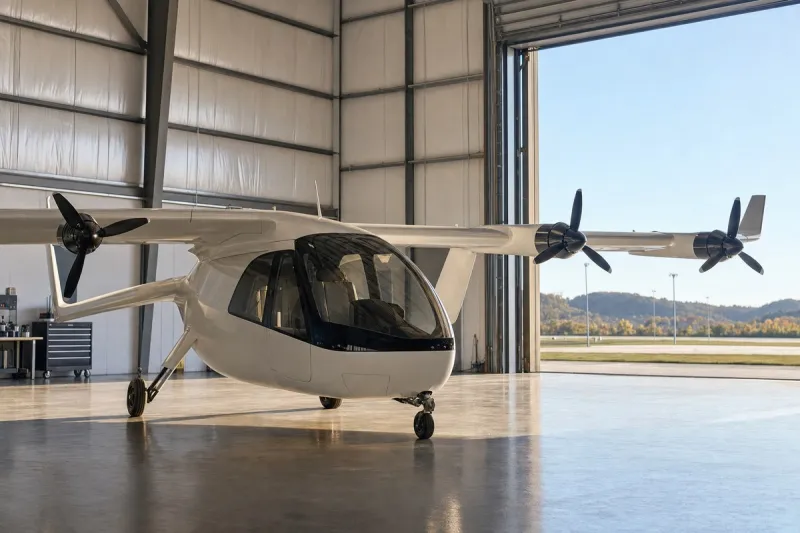
By segment, piloted eVTOL holds the largest share by aircraft type, aircraft hardware commands the overwhelming majority share by offering, battery electric systems hold the largest propulsion share, and airlines and operators are the dominant end-user segment. Asia Pacific is the fastest-growing region.
Order backlogs indicate institutional demand as of mid-2026. Eve Air Mobility holds the largest pre-order book, with nearly 2,700 eVTOL commitments, including agreements with Revo in São Paulo and AirX in Tokyo. Vertical Aerospace reports approximately 1,500 pre-orders for its Valo aircraft from players including American Airlines, Japan Airlines and Avolon. Archer Aviation holds a conditional order book anchored by United Airlines, while Joby Aviation signed an MOU for up to 200 aircraft for Saudi Arabia and is rolling out operations in the UAE.
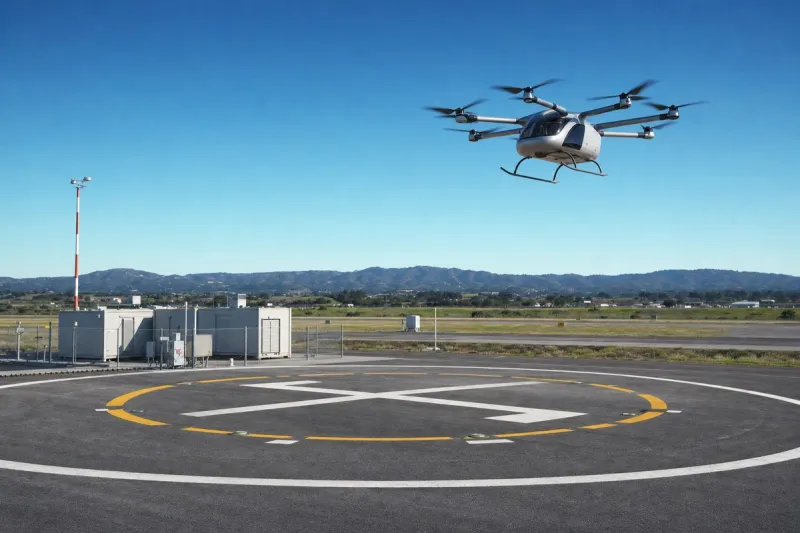
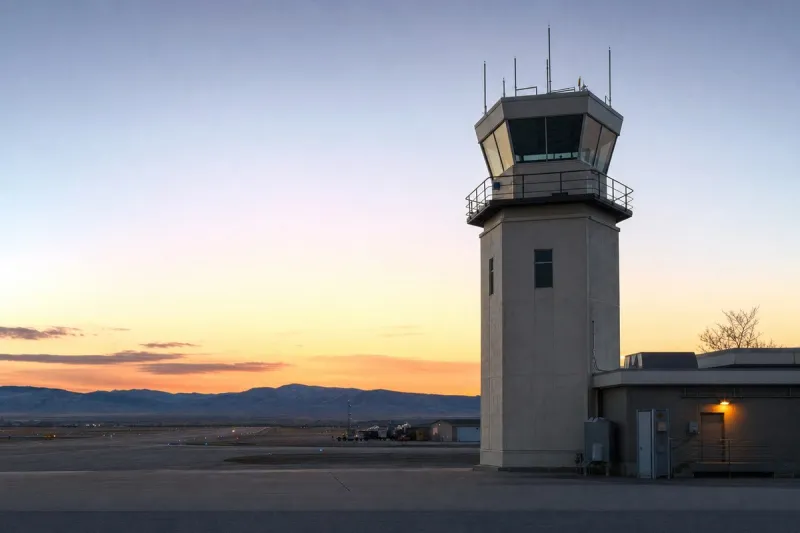
On infrastructure, Dubai's General Civil Aviation Authority and Skyports Infrastructure certified VDX in July 2026, described as the world's first purpose-built commercial vertiport. It sits next to Dubai International Airport and has capacity for up to 170,000 travelers annually. Preparations for the 2028 Los Angeles Olympic Games are cited as a demand catalyst, and defense agencies such as the U.S. Air Force have contracted domestic eVTOL manufacturers. Logistics operators are driving demand for autonomous eVTOL configurations.