Business Aviation Pay Rose 8% in 2026, More Than Double the U.S. Rate, AirComp Calculator Analysis Finds
Why It MattersPay in business aviation is outpacing the wider labor market while airline retirements keep pulling pilots away, leaving flight departments budgeting at general-market raise levels exposed on crew retention.
Total compensation for business aviation professionals rose 8% in 2026, according to AirComp Calculator's analysis of industry surveys, up from a 6% gain the company measured for 2025. The 2026 increase is more than twice the 3.4% national rate for U.S. workers shown by the Bureau of Labor Statistics' Employment Cost Index. AirComp Calculator founder Dr. Chris Broyhill, CAM Fellow, CCP, said flight departments building 2027 budgets on the 3% to 4% raises common elsewhere could leave crews paid below the market.

Broyhill expects airline hiring to continue in 2027, with about 4,300 airline pilots a year reaching the Federal Aviation Administration's mandatory retirement age of 65 through 2042. In an NBAA study he led of more than 1,100 business aviation pilots, a predictable schedule was the top reason they left for the airlines. He said even pay at the 90th percentile for a super-midsize jet pilot may not be enough to keep someone who wants to join a mainline carrier.
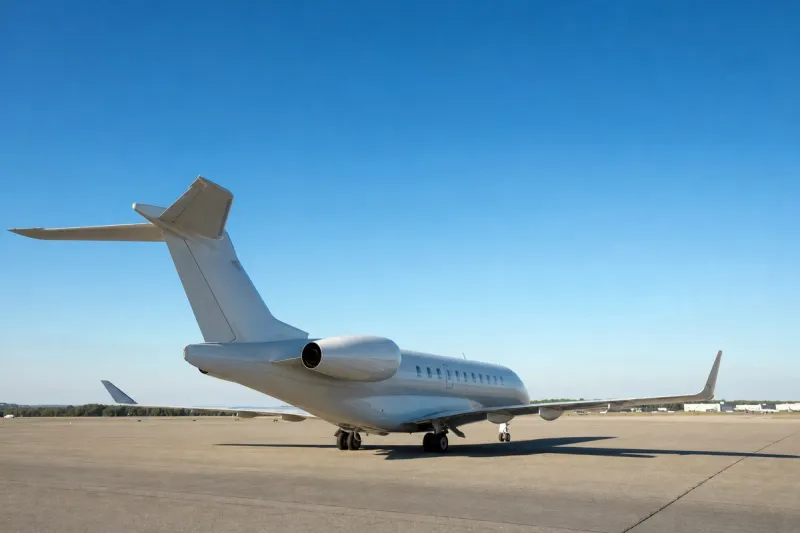
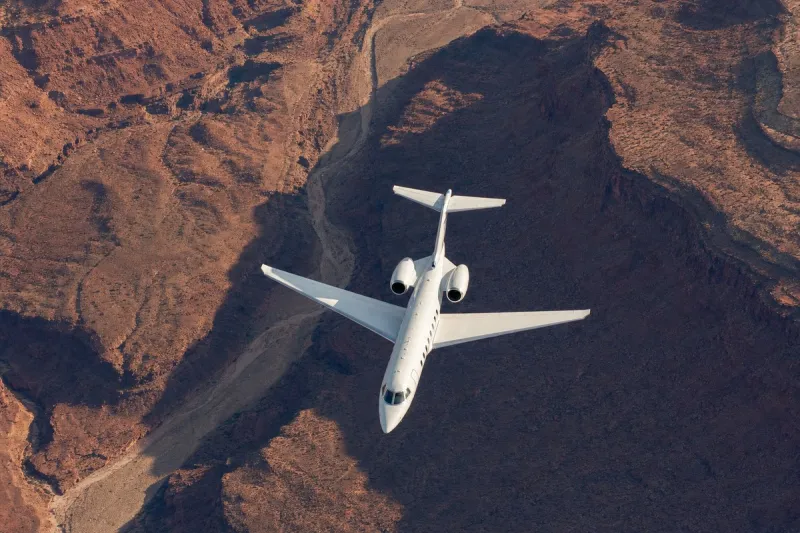
Growth was strongest among crews of premium long-range aircraft. In one industry compensation survey covering Gulfstream G700 captains at 10% of the organizations operating long-range aircraft, average base salary was about $343,000 and average total cash compensation about $395,000, rising to about $495,000 at the 90th percentile. Broyhill said base salary in the Northeast typically runs 10% to 15% above the national average and some West Coast positions run close to 30% above, with wide spreads even within one state.
AirComp Calculator draws on three major annual industry compensation surveys, including the NBAA Compensation Survey. All capture first-quarter data and typically become public about three months later. Broyhill ages the data forward using five-year average growth factors for each position, matches it to aircraft class and adjusts for local labor markets using Bureau of Labor Statistics data. He said declining survey participation across the industry reduces accuracy, especially for smaller departments.
At the Business Aviation Convention & Expo (BACE) in Las Vegas, Broyhill is presenting "The Accidental Director" and, with Sheryl Barden, CEO of Aviation Personnel International, "Beyond the Survey: Decoding Job Titles, Roles and Compensation Trends in Aviation," in Room W219. AirComp Calculator, a veteran-owned company founded in 2020 by Broyhill and headquartered in Dallas, covers 21 positions, nine aircraft classes and more than 80 U.S. metropolitan markets.