Global eVTOL Software Market Valued at $272.5 Million in 2025, Projected to Reach $13.28 Billion by 2033
Why It MattersSoftware is becoming the central constraint and value layer in eVTOL programs, since flight control, certification and fleet coordination all depend on integrated digital systems, shifting competition from airframes toward code.
What happened
The global eVTOL software market was valued at USD 272.5 million in 2025 and is projected to grow from USD 447.0 million in 2026 to USD 13.28 billion by 2033. That corresponds to a compound annual growth rate of 62.3% over 2026–2033.
North America held the largest revenue share, at 42.1% in 2025, supported by investment in advanced air mobility, aircraft development, digital aviation infrastructure and autonomous flight technologies.
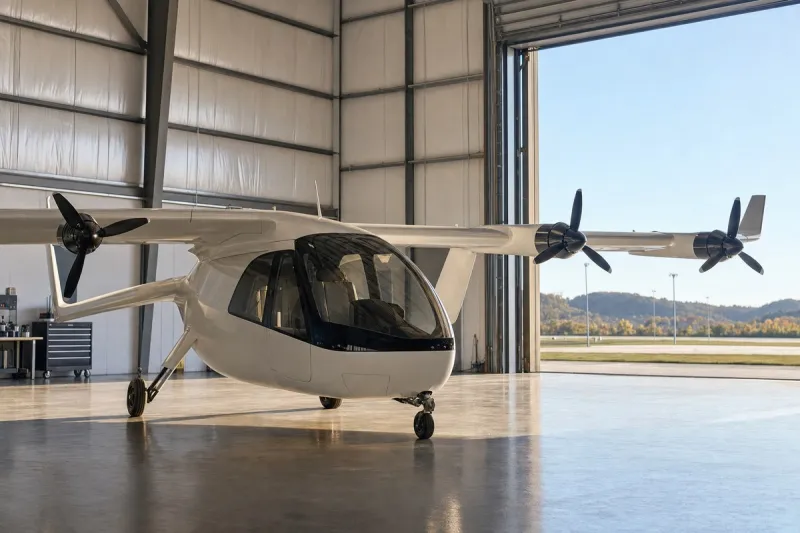
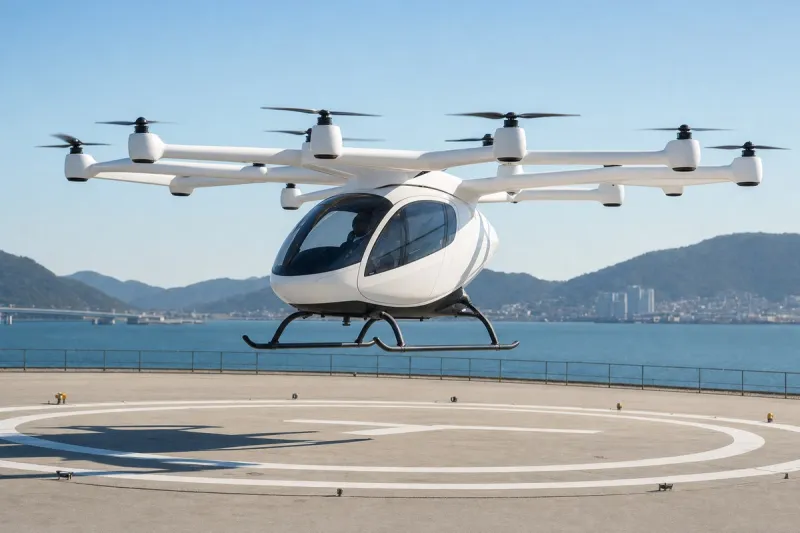
Growth is being driven by expanding eVTOL aircraft development programs, rising demand for autonomous flight capabilities, advances in flight management software, growing vertiport infrastructure and wider adoption of cloud-based aviation software. Aircraft manufacturers, air mobility operators, technology companies and government organizations are investing in digital systems intended to make eVTOL operations safer, more efficient and scalable.
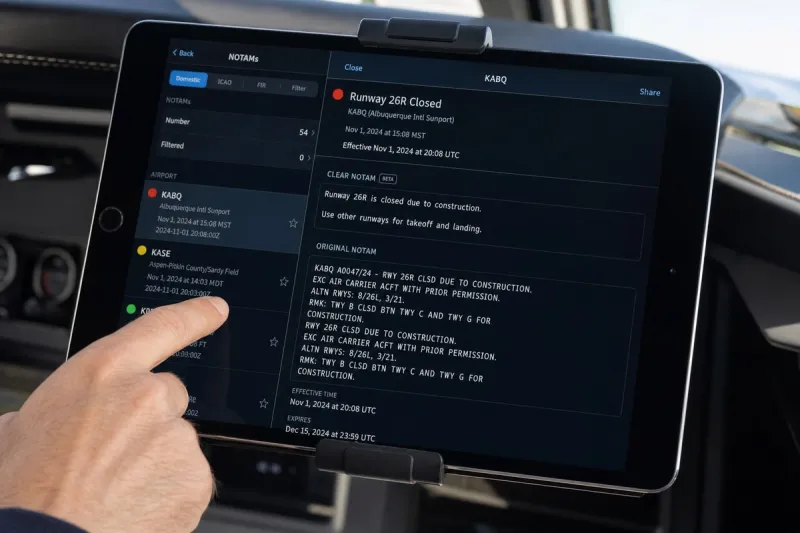
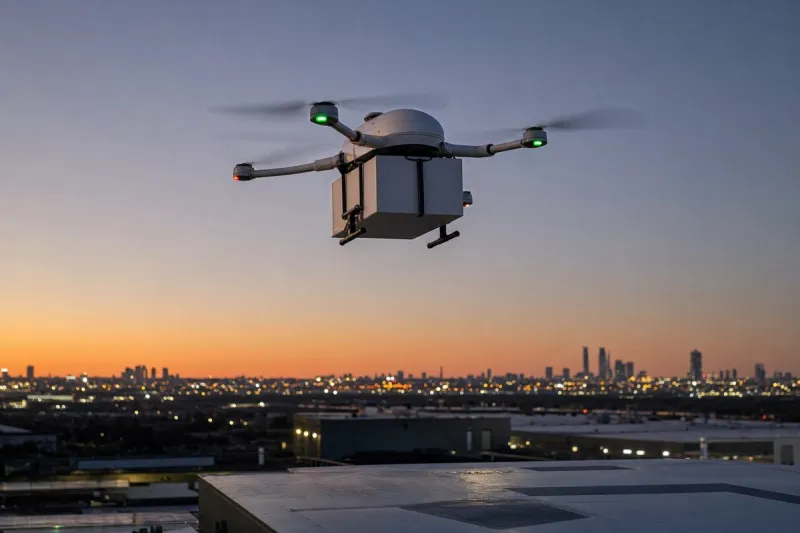
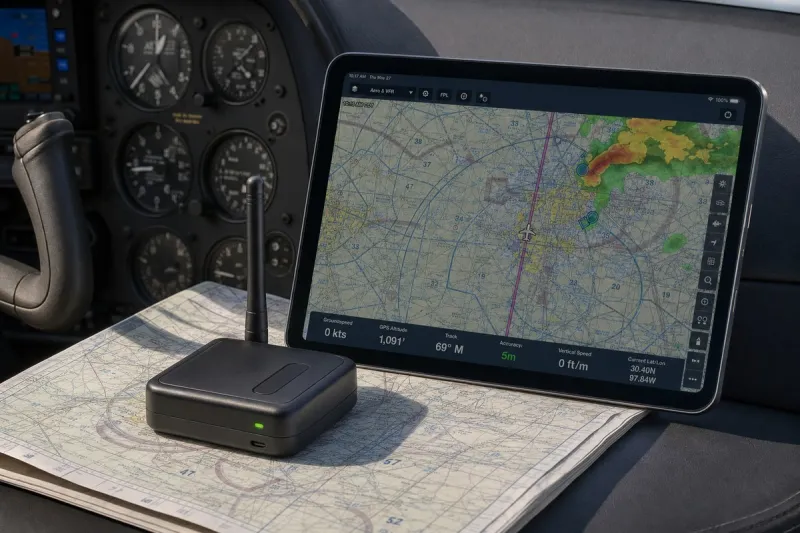
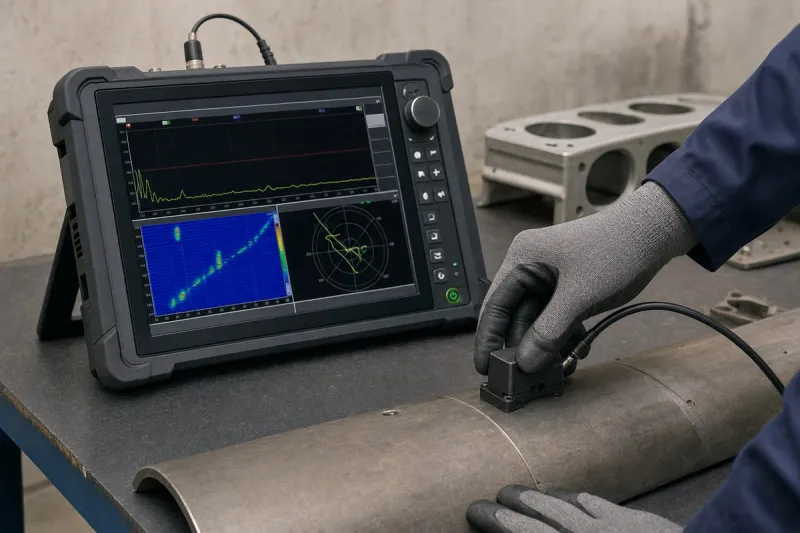
Commercial eVTOL development increasingly relies on software for flight control, navigation, energy optimization, vehicle health monitoring, airspace integration, fleet coordination, simulation, testing and safety certification. Digital engineering platforms help developers validate aircraft performance, shorten development timelines and manage complex certification workflows.
Artificial intelligence, machine learning, cloud computing, digital twins and real-time data analytics are further reshaping the market. The forecasts cover global, regional and country-level revenue, with analysis by component, deployment, end use and region for 2021–2033.
Industry impact & what to watch
A forecast that takes a market from USD 272.5 million to USD 13.28 billion is a statement about expected adoption, not a record of revenue already earned. The 2026 figure of USD 447.0 million is the nearer test of whether the curve is holding, and the 62.3% growth rate depends entirely on aircraft programs reaching commercial service on schedule.
The breadth of functions listed, from flight control and energy optimization to fleet coordination and certification, shows why software is treated as a core part of an eVTOL program rather than an add-on. Integrated architectures that tie together flight controls, propulsion, battery data, communications and navigation mean that a developer's software stack shapes both how quickly it can certify and how cheaply it can operate at scale.
North America's 42.1% share in 2025 reflects where development programs and digital aviation spending are concentrated today. Whether that share holds will depend on how quickly vertiport infrastructure and airspace integration mature in other regions, and on the pace at which cloud-based fleet oversight is adopted by operators.