Embraer Built 2,326 Piper-Derived Light Aircraft in Brazil Between 1975 and 2000
Why It MattersThe programme shows how a licensed-production deal gave a young Brazilian manufacturer large-scale series-production experience in light aircraft before it moved up to larger designs.
Embraer signed a cooperation agreement with Piper Aircraft Corporation in 1974, during the Brazilian company's fifth-anniversary celebrations, covering the development, production and marketing of Piper light aircraft. Brazil ranked first in the Southern Hemisphere among importers of light aircraft in 1973, with forecasts that it would absorb about 3,000 such aircraft by 1978, and the plan also aimed to give Embraer experience in large-scale production.
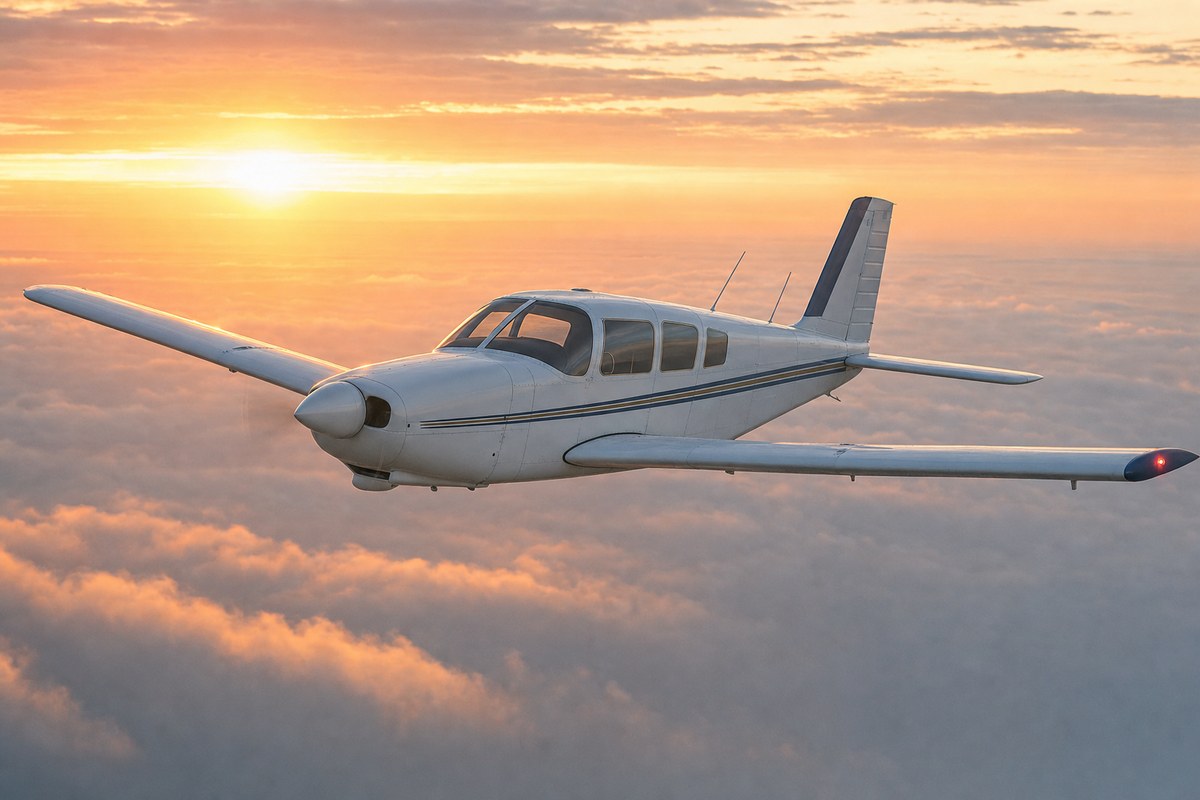
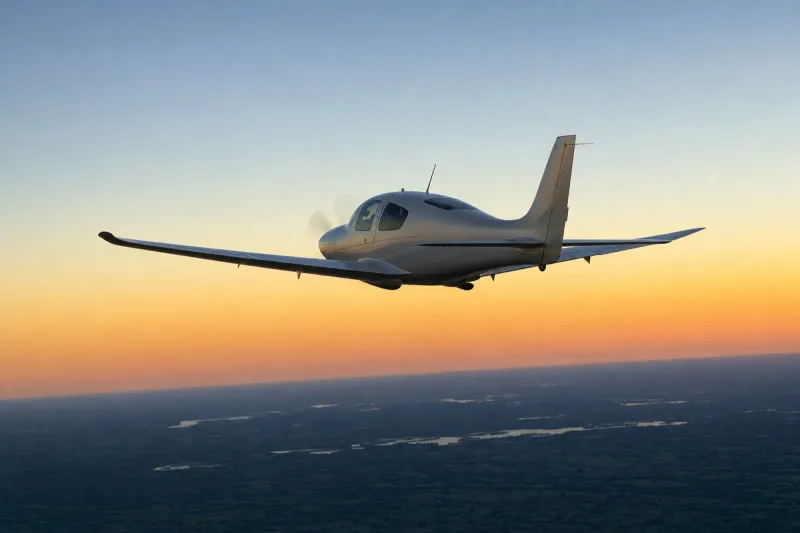
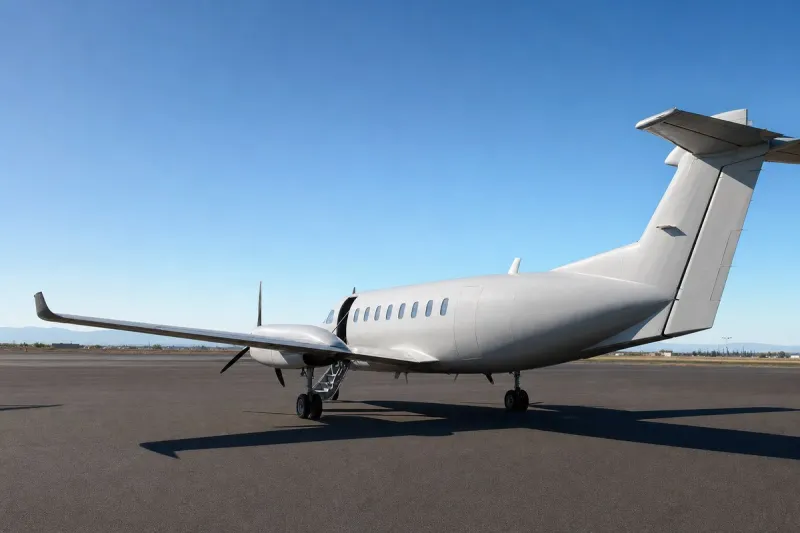
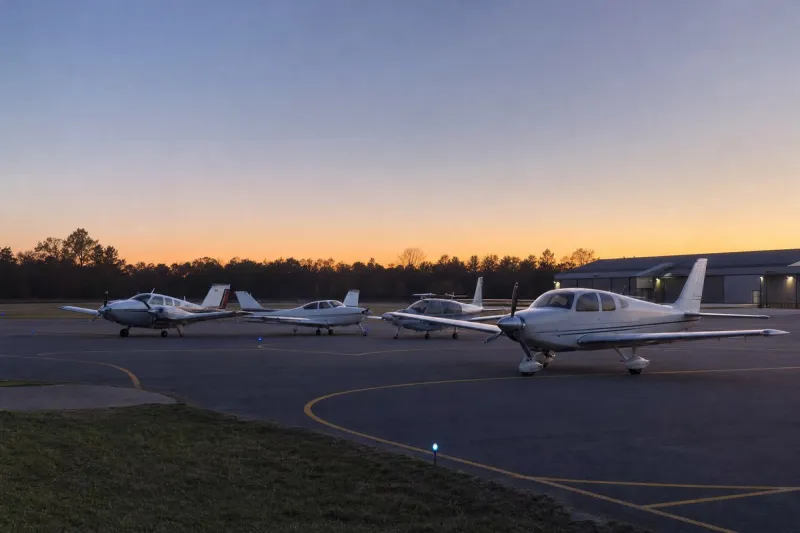
The agreement initially covered two twin-engine models, the EMB 820 Navajo (Piper Navajo Chieftain) and the EMB 810 Seneca (Piper Seneca III). Production of the single-engine EMB 720 Minuano (Cherokee Six) was added in 1974, and that year Embraer also contracted Indústria Aeronáutica Neiva to help build the EMB 710 Carioca and the EMB 711 Corisco. The five aircraft were officially unveiled on June 17, 1975, and three further models followed between 1976 and 1984: the EMB 712 Tupi (Piper Archer II), the EMB 721 Sertanejo (Cherokee Lance) and the EMB 821 Carajá. By 1978 Embraer had moved to local production using Brazilian-made parts and components, with a few exceptions. In 1984 the entire light-aircraft line was transferred to Neiva, which Embraer had acquired in 1980, in Botucatu, São Paulo state.
2,326 aircraft were delivered from the Piper partnership between 1975 and 2000. By model, Embraer built 288 EMB 710 Carioca (final four delivered in 1983), 477 EMB 711 Corisco (final four built in 1990), 145 EMB 712 Tupi, 208 EMB 721 Sertanejo sold and 876 EMB 810 Seneca (last aircraft built in 2000).
The twin-engine EMB 820 Navajo was launched in June 1975 and first flew that December, after Alpha Táxi Aéreo Ltda. had sent a letter of intent in September 1974. It carried up to 10 passengers on two 350-hp turbocharged Lycoming engines, and the 100th unit was delivered in November 1979 to racing driver Emerson Fittipaldi. The EMB 821 Carajá, unveiled on October 27, 1984 at Bacacheri Airport in Curitiba, replaced those engines with two 550-hp Pratt & Whitney turboprops and carried up to eight passengers. After a sales consortium was launched in 1986, 28 units were sold in 52 days.