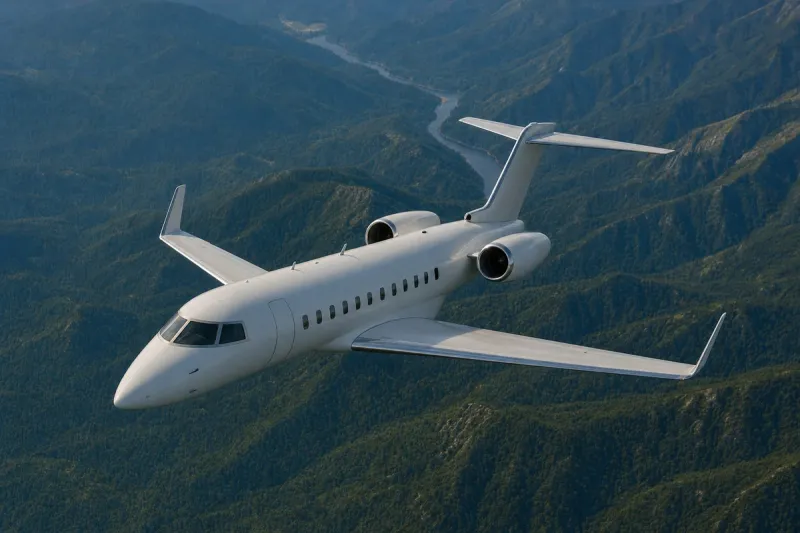
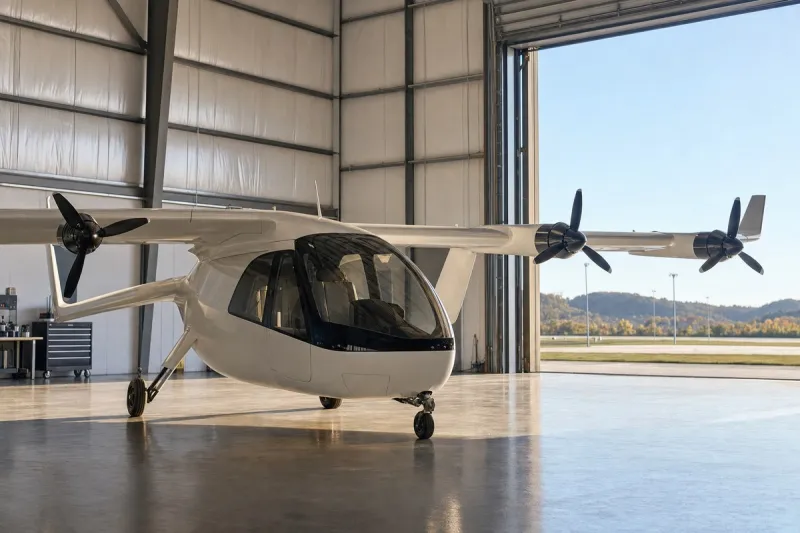
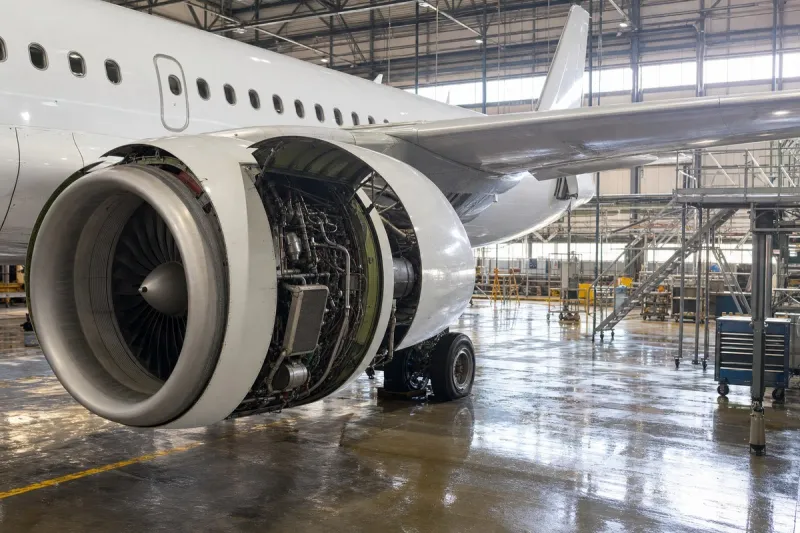
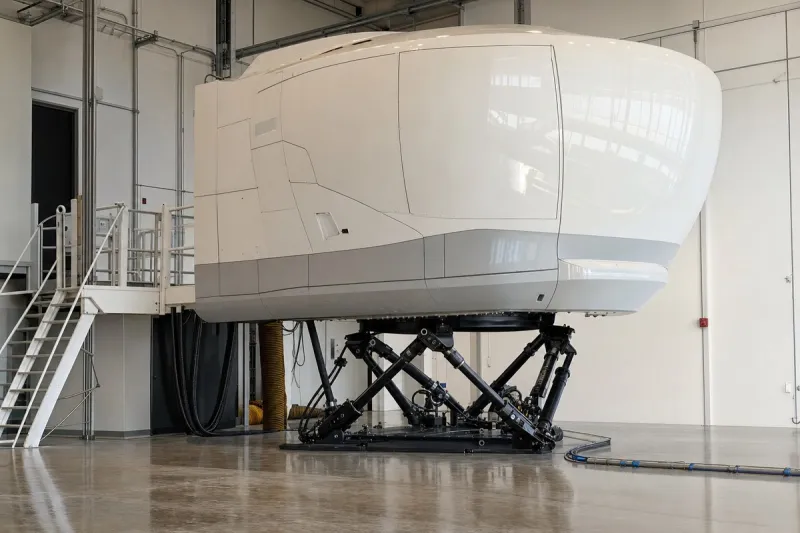
Honeywell Outlook: India Posts Largest Net Increase in Business Jets in Asia-Pacific, Reaching About 295 Aircraft by End-2025
Why It MattersFleet growth is shifting toward midsize jets and charter-led, higher-utilisation operators, while Asia-Pacific expansion is led by India's access models and China's narrower premium and renewal focus.
Honeywell Aerospace's latest business aviation outlook, released on Tuesday, says India is becoming a growing market for private and business aviation, aided by improved access models and supportive policy initiatives. China, by contrast, remains focused on selective premium and fleet-renewal opportunities. Citing rising incomes, better airport facilities and GIFT City leasing programmes, Honeywell said India recorded the largest net increase in business jets in the Asia-Pacific region, reaching about 295 aircraft by the end of 2025.
Globally, Honeywell anticipates delivering up to 14,000 business aircraft over the next ten years. It expects the global business aviation fleet to grow about 29%, from roughly 39,400 aircraft in 2025 to nearly 51,000 by 2035, while total flight hours rise 34% over the same period as operators use their aircraft more intensively. Annual deliveries are forecast to increase from around 1,280 in 2026 to more than 1,500 by 2035, with the annual value of new deliveries projected to exceed $37 billion by the end of the forecast period. The delivery forecast is 4.4% higher than last year's projection.
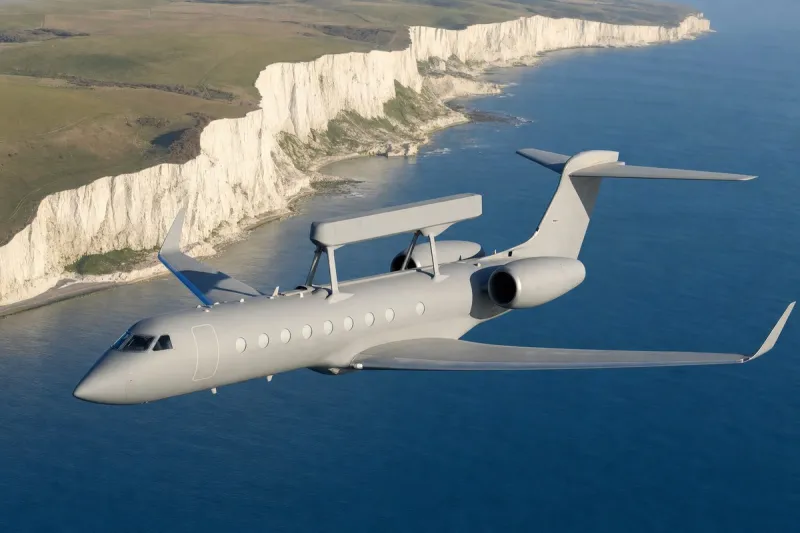
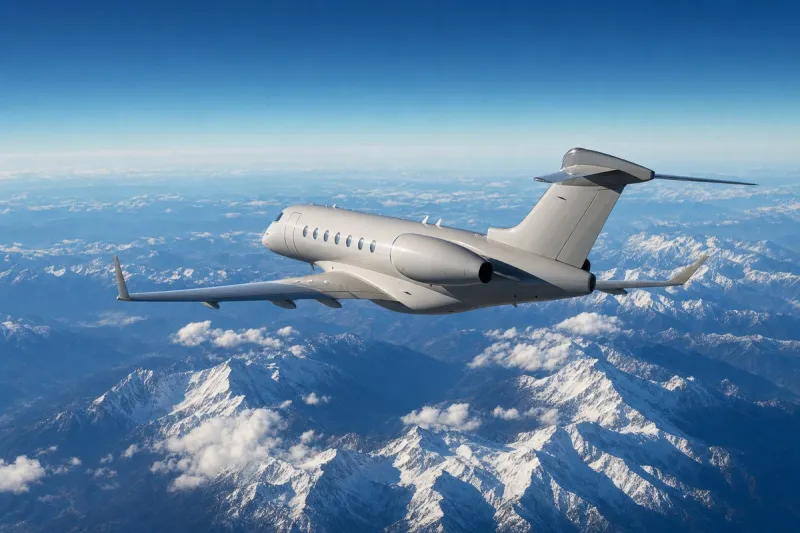
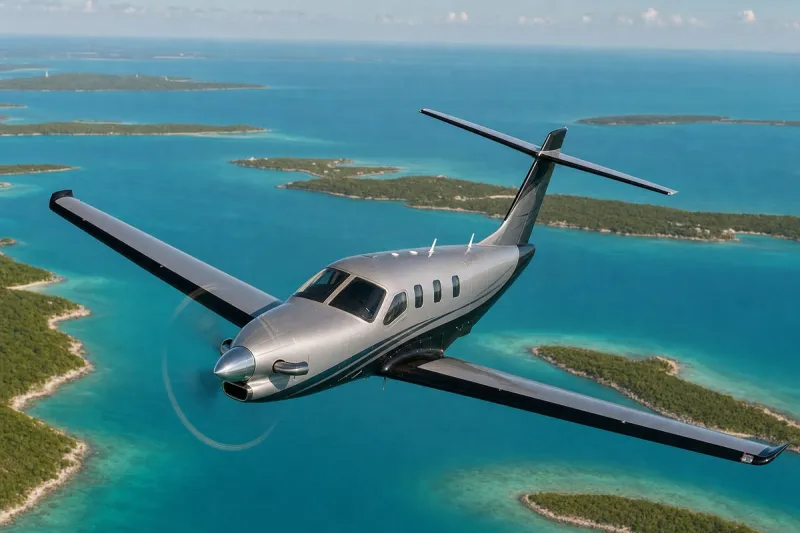
Midsize jets are expected to be the fastest-growing category, with their fleet projected to grow 40% over the decade, as operators seek longer range and better cabin comfort at lower acquisition and operating cost than the largest business jets. Large-cabin aircraft will still account for the biggest share of industry value. By 2035, Honeywell expects the global fleet to include about 18,000 turboprops, 15,000 light jets, 8,200 midsize jets and 9,700 large-cabin aircraft. For the first time, the annual forecast also covers additional segments, including turboprops and personal jets.
The report names charter operators, managed fleets and fractional ownership as key demand drivers. Private owners still account for most aircraft ownership worldwide, but charter and fractional operators generally fly their aircraft more often, especially in the midsize and large-cabin segments, so global flight hours are expected to grow faster than fleet size. In Honeywell's survey, nine out of 10 operators expect to fly the same or more hours in 2027 than in 2026, and nearly one-third expect to increase flight activity next year. Linnea Whisler, president of Commercial Original Equipment at Honeywell Aerospace, said the company is predicting one of the most robust periods ever for business aviation, with corporations, private individuals, charter customers and fractional shareholders all driving demand.