NASA to Bring X-59 Quiet Supersonic Aircraft to Inaugural MAX POWER Event at Kennedy Space Center, Nov. 7-8
Why It MattersPlacing an experimental supersonic aircraft beside spacecraft and autonomous vehicles at a public event signals NASA courting investors and industry around future air and space transportation, while pushing into national-security work.
What happened
NASA has scheduled MAX POWER, a public exposition of American air and space innovation, for Nov. 7 and 8 on and near the agency's Kennedy Space Center in Florida. The multi-day, family-friendly event will showcase next-generation aircraft, spacecraft, autonomous vehicles and technologies expected to help define the future of transportation in air and space. It is meant to bring together the public, innovators, investors, pilots, astronauts, engineers and companies.
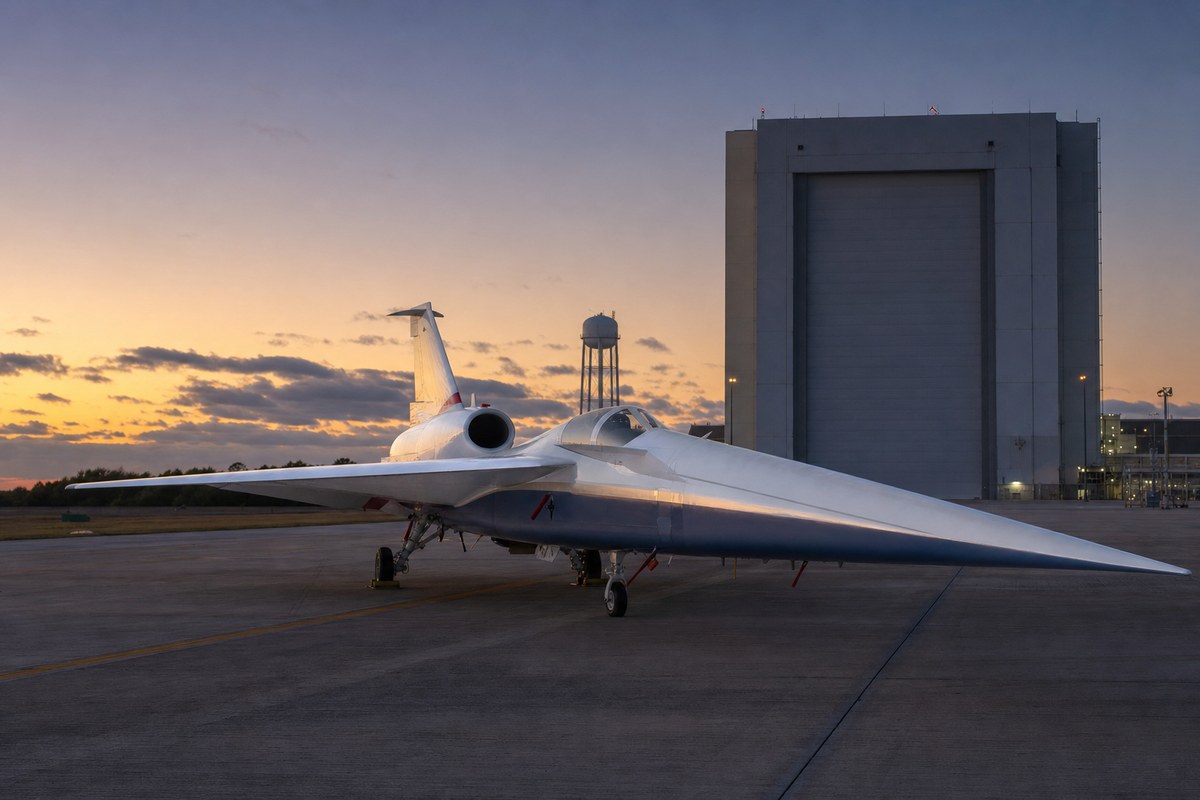
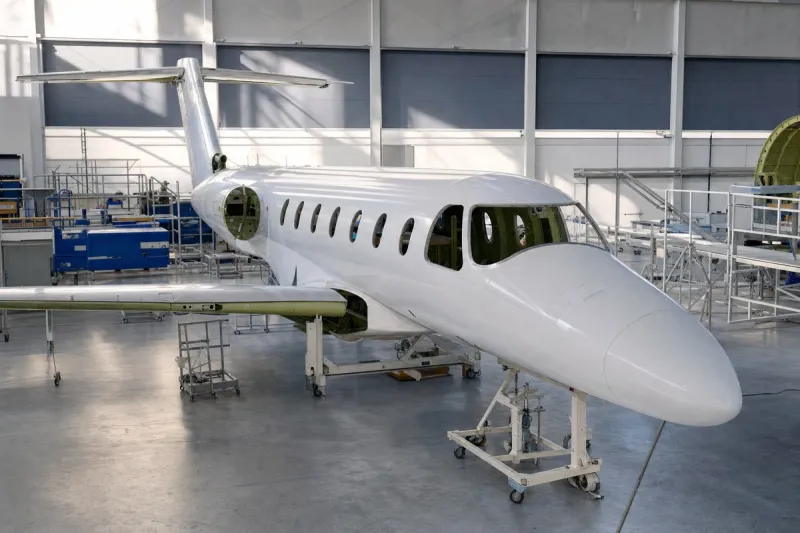
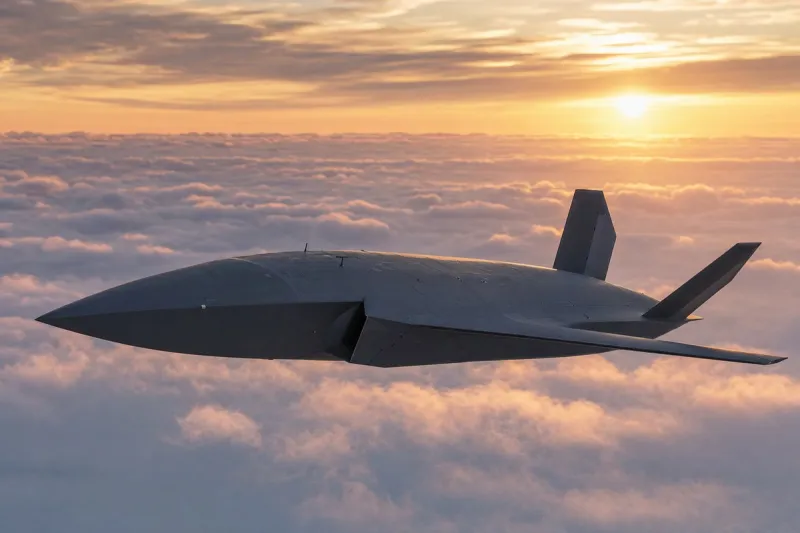
NASA Deputy Administrator Matt Anderson confirmed that the agency plans to bring the X-59 quiet supersonic experimental aircraft to the inaugural event. He made the comments at a Washington Space Business Roundtable event in Washington, linking them to recent reports about plans to revive the SR-71 Blackbird. He stopped short of confirming the agency's plans on that program: "But that's the type of things we're working on," he said.
Anderson said he has spent more time than he expected in his new role working on classified projects with NASA Administrator Jared Isaacman. "We are in the SCIF all the time, and a lot of that is in that portfolio," he said, referring to a Sensitive Compartmented Information Facility. He added that NASA is "leaning in" on national security efforts while respecting the statutory and legal authorities that separate the U.S. military, intelligence and civil space agencies.
Anderson, a retired Air Force command pilot who became NASA's deputy administrator in May, said the agency wants to focus on breakthrough technologies not already being addressed by industry partners, and he pointed back to the agency's legacy of experimental aircraft. Separately, Mike Relja, a retired NASA flight test engineer in his late 70s, said in September that NASA offered him a job this summer.
Industry impact & what to watch
Staging an experimental aircraft alongside spacecraft and autonomous vehicles at a public, investor-facing event shows how NASA is positioning its work. The agency is presenting itself as a showcase for early-stage technology that industry has not yet taken up, which matches Anderson's stated aim of concentrating on breakthroughs not already covered by partners. For companies in high-speed and advanced aircraft development, a visible government test platform can shape where private capital and attention go.
The national-security thread is a second signal. Anderson's description of frequent classified work with Isaacman, set against his remark that statutory lines still separate military, intelligence and civil agencies, indicates the civil agency is moving closer to defense-adjacent projects without erasing those boundaries. How that balance is handled will matter to contractors that serve both civil and defense customers.
The next dated milestone is the event itself on Nov. 7 and 8, where the X-59's presence and any further program announcements would be visible. Whether NASA says anything more about the SR-71 revival reports is the other point that would settle what Anderson left unconfirmed.