Drone Barrage Shuts Moscow Airspace for Third Time in Ten Days, Diverting Flights to St. Petersburg
Why It MattersRepeated overnight closures of Moscow's airport cluster show how wartime drone alerts now disrupt Russian airspace routinely, pushing diversions onto alternate airports and weighing on already declining domestic passenger traffic.
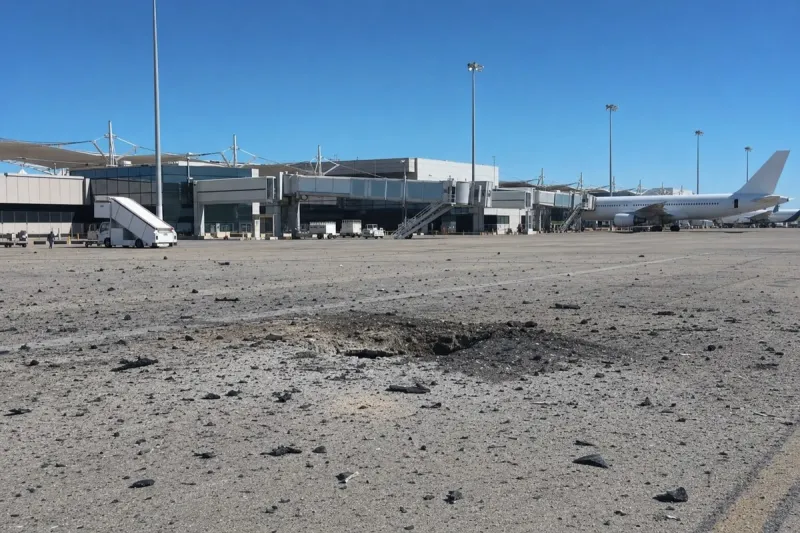
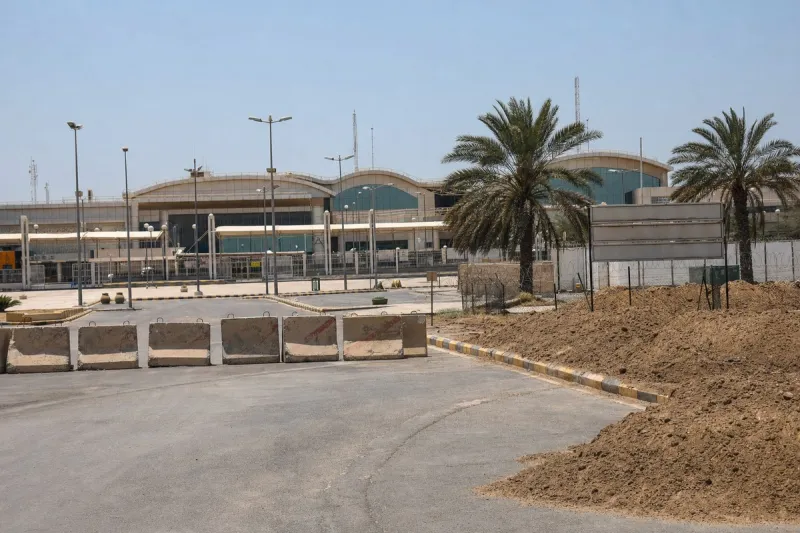
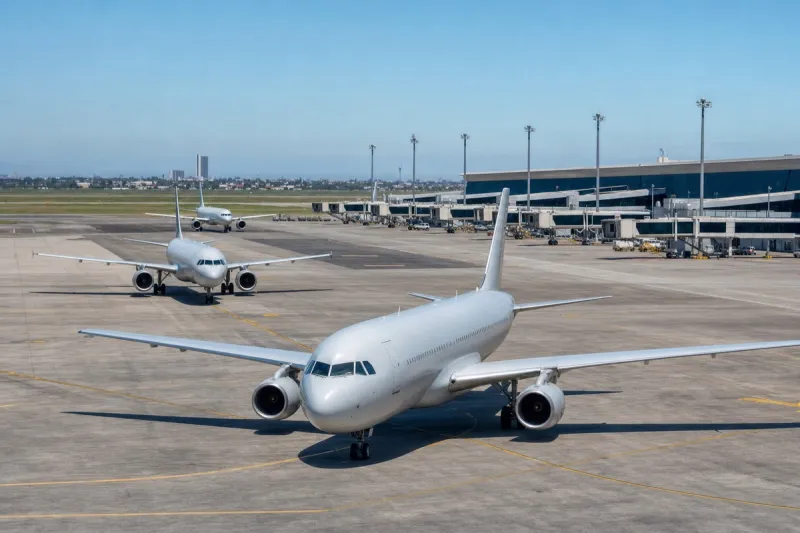
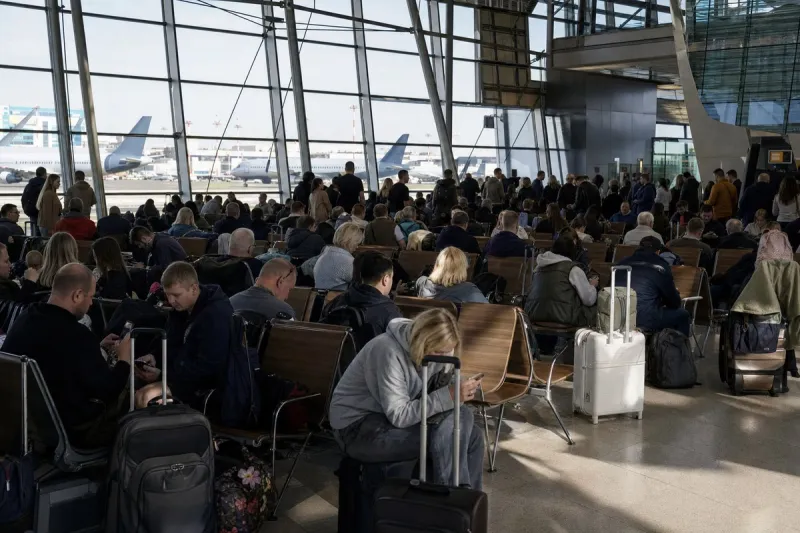
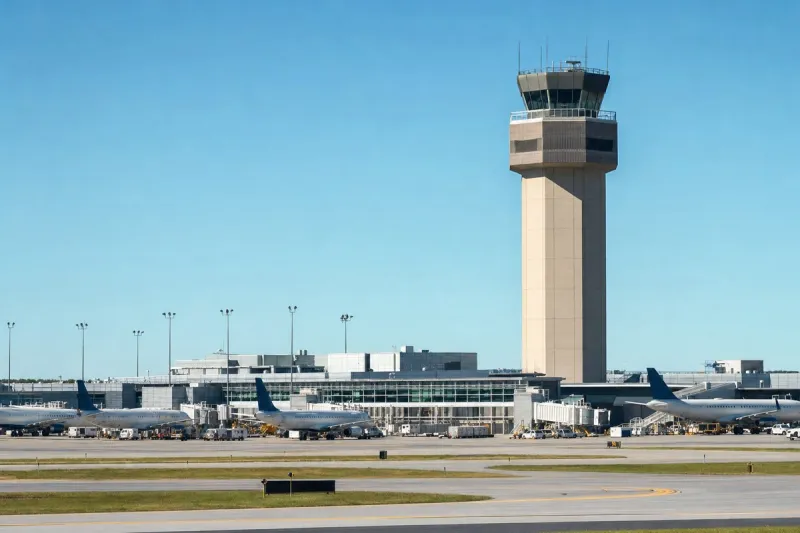
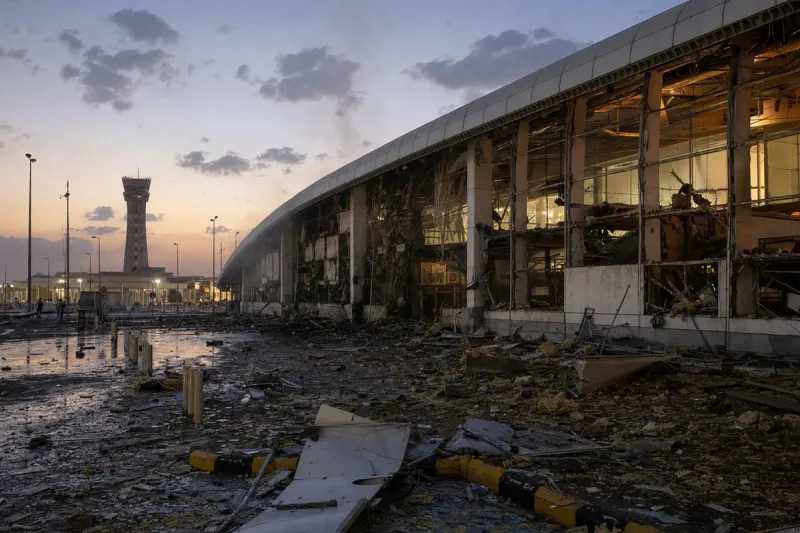
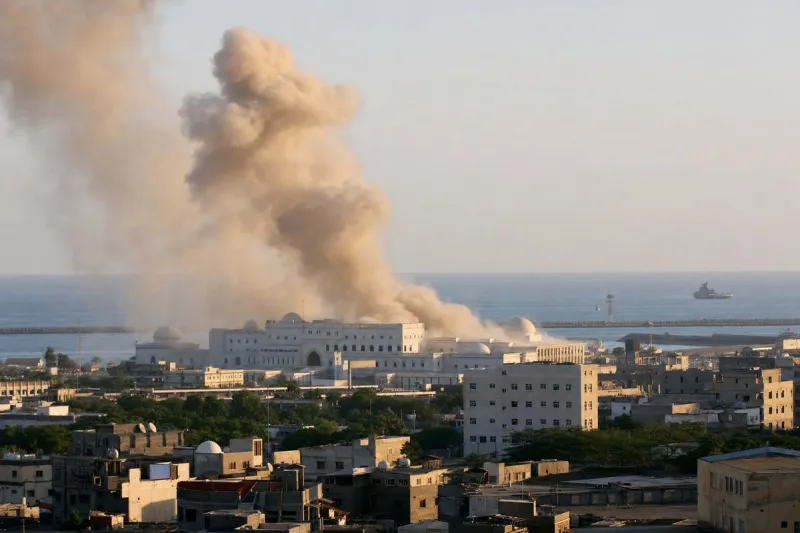
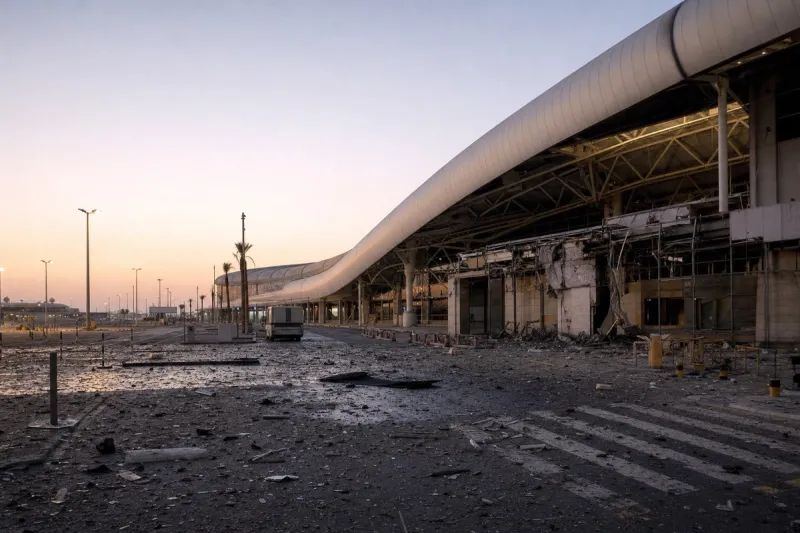
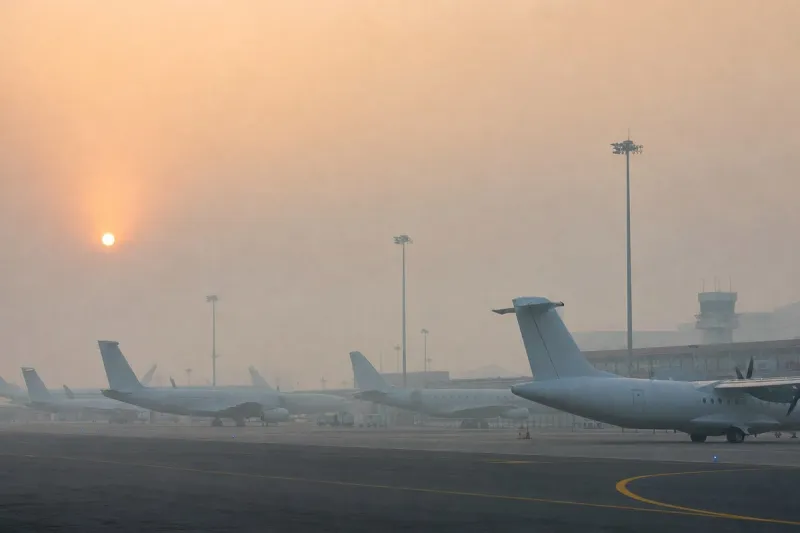
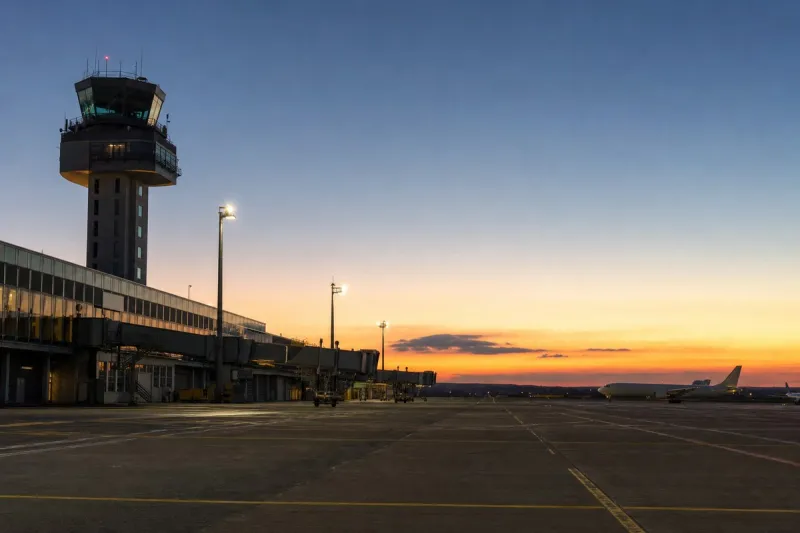
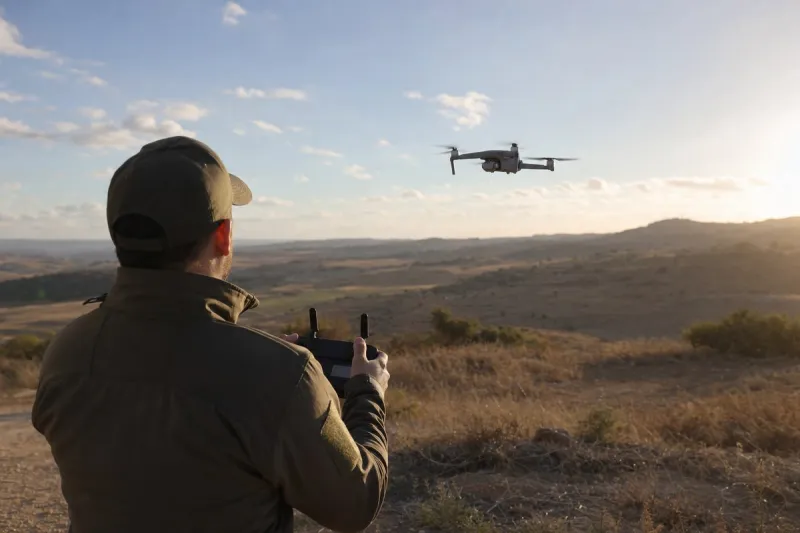
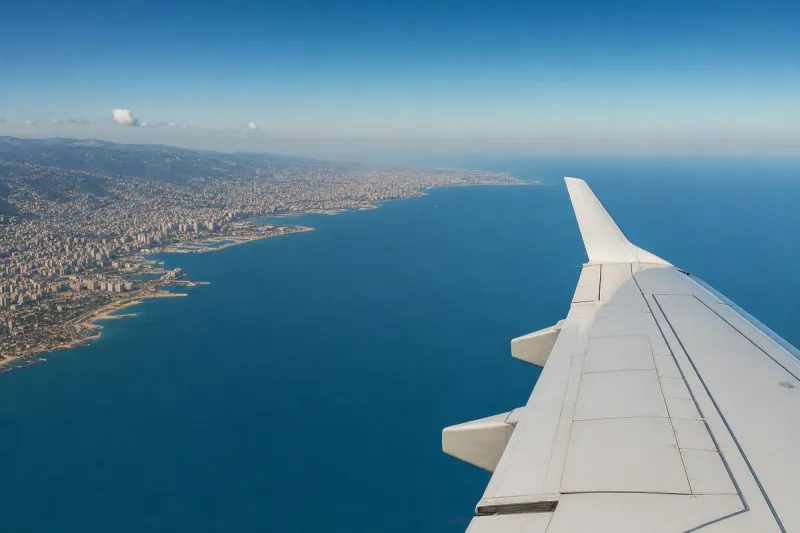
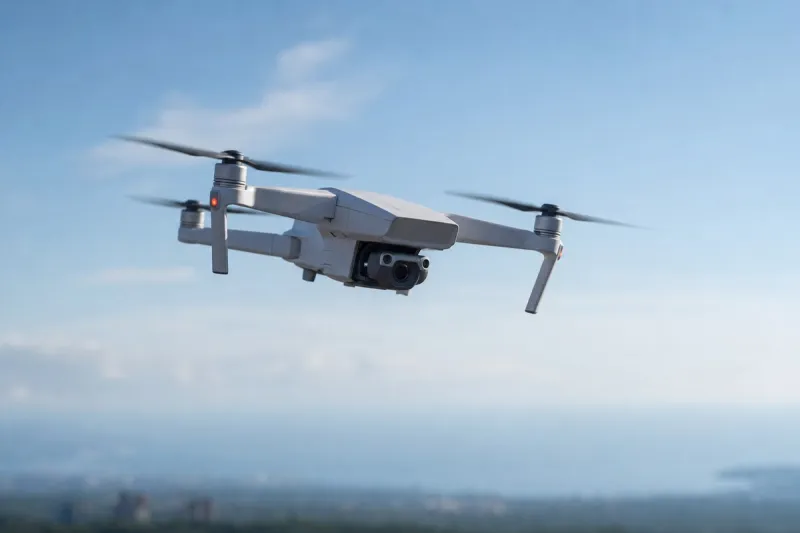
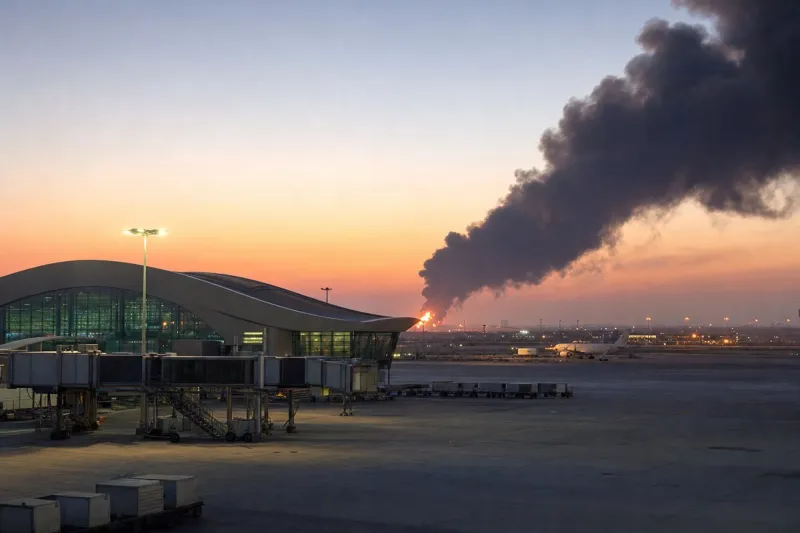
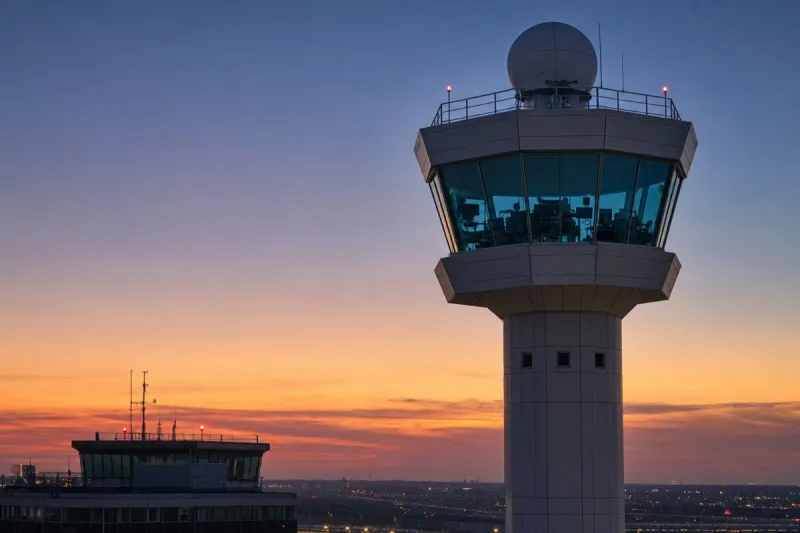
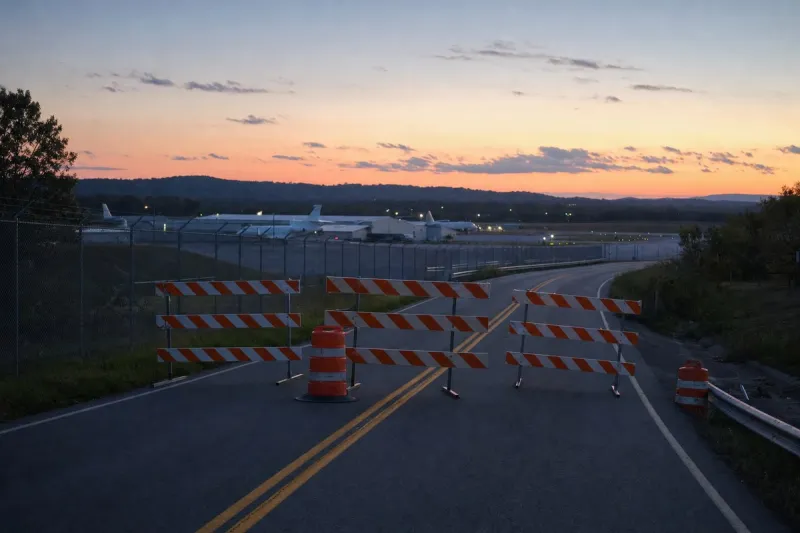
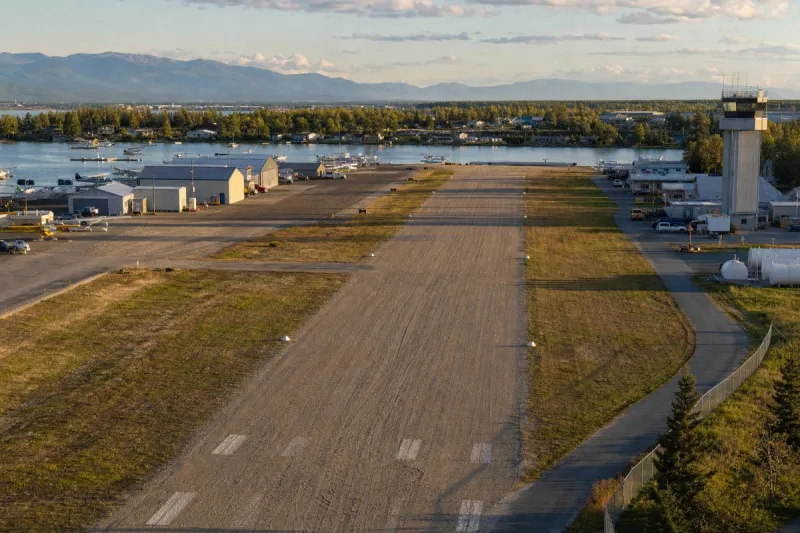
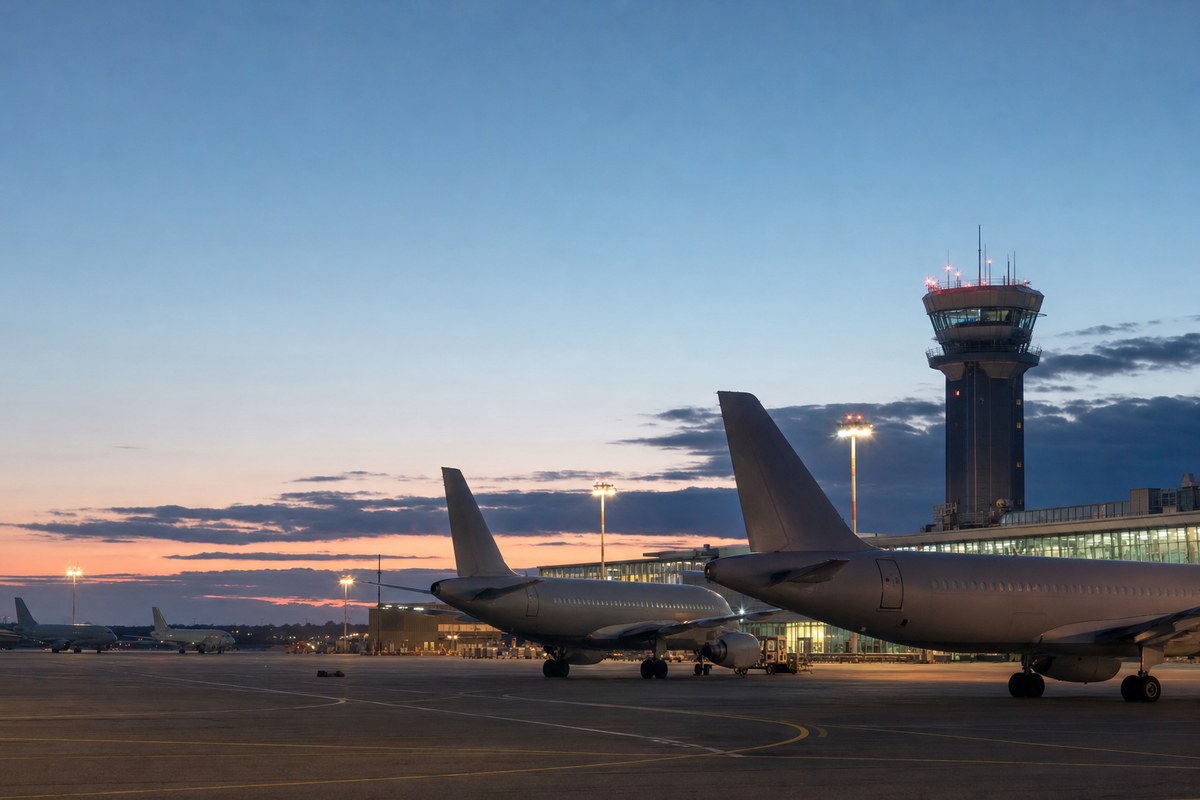
A large wave of Ukrainian strike drones targeted the Moscow region and other Russian regions early Saturday, Oct. 17, prompting civil aviation authorities to close airspace over the Russian capital and divert international flights to alternative airports. Moscow Mayor Sergey Sobyanin said Russian air defenses intercepted 75 unmanned aerial vehicles heading toward Moscow, and that municipal emergency services and defense specialists were sent to sites where debris fell. He did not specify the intended targets. Russia's Federal Air Transport Agency, Rosaviatsiya, imposed emergency ground stops and flight restrictions across Moscow's main airport cluster shortly before midnight. A Pegasus Airlines service from Antalya, Turkey, to Moscow was among the affected flights; passengers said they were told before descent that Moscow airspace had been sealed, and the aircraft diverted to Pulkovo Airport in St. Petersburg, landing at about 1:00 a.m. local time, where passengers were told to stay on board until Moscow airspace reopened.
The Russian Ministry of Defense said its air defenses intercepted and destroyed 610 Ukrainian fixed-wing drones across the country between Friday evening and Saturday morning. The ministry said the targets spanned 15 regions plus occupied territories, including the Moscow, Leningrad, Novgorod, Tver, Bryansk, Belgorod, Kursk, Oryol, Kaluga, Voronezh, Rostov, Smolensk and Tula regions, the Krasnodar region, the Khanty-Mansi Autonomous Okrug and occupied Crimea.
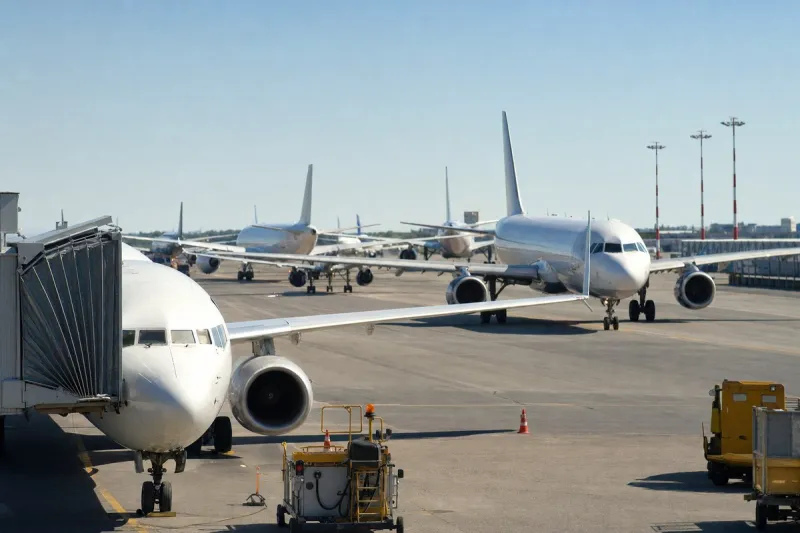
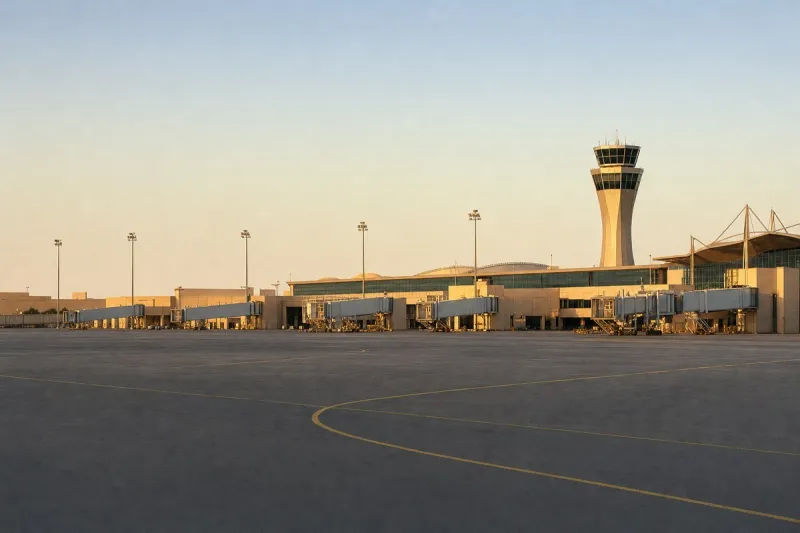
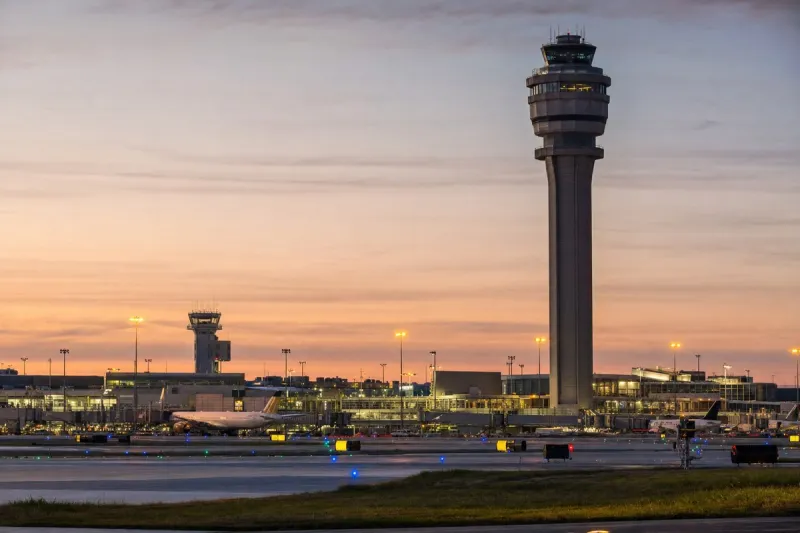
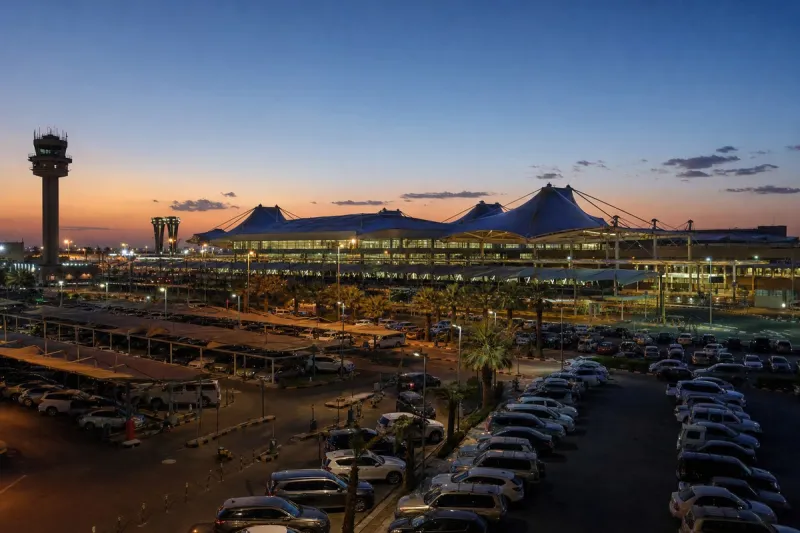
The Saturday closure was the third time in ten days that drone alerts halted air traffic in Moscow. Overnight into Friday, Oct. 16, Moscow's four main airports (Vnukovo, Sheremetyevo, Domodedovo and Zhukovsky) suspended all inbound and outbound flights, forcing more than 20 airliners to divert and causing over 200 cancellations before restrictions were lifted around 5:45 a.m. An earlier overnight shutdown on Oct. 13–14 left more than 500 flights delayed or canceled across the capital's airports.
Rosaviatsiya head Dmitry Yadrov said Russian carriers transported 39.5 million passengers between May and August, a 7 percent decline from 42.6 million in the same period of 2025. Ukrainian officials have said the operations do not target civilian aircraft but aim to constrain military transport and highlight the risks of using Russian airspace in wartime.