Pilatus PC-24 Twin-Engine Business Jet: Specifications, Avionics and Performance Overview
Why It MattersThe PC-24 pairs jet-class speed and altitude with unpaved-surface and short-runway approval, a combination that shapes how operators weigh airport access against range and cabin size.
What happened
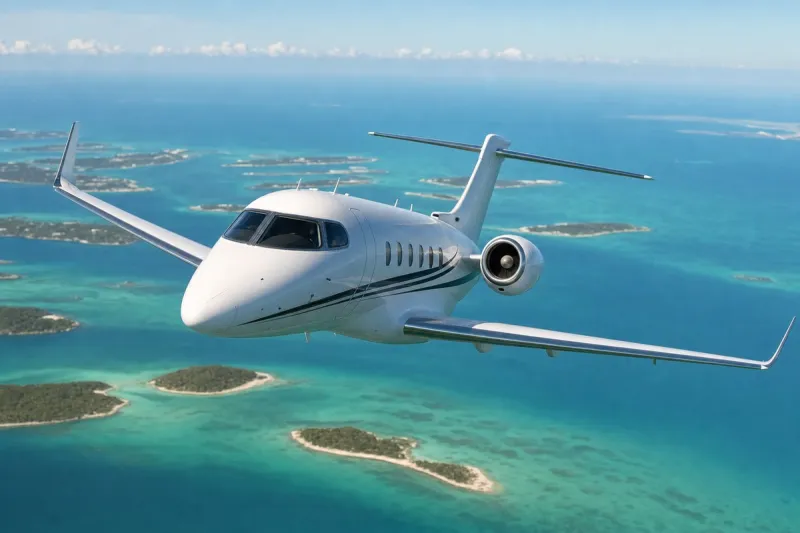
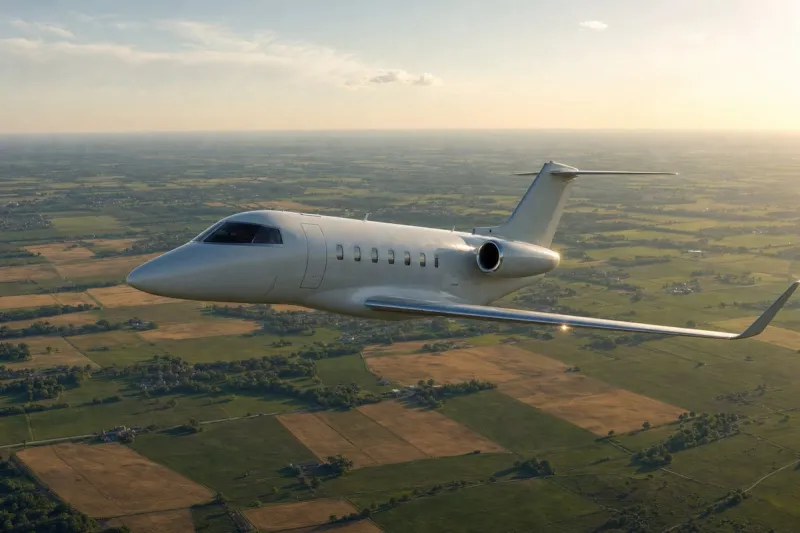
The PC-24 is a twin-engine business jet built by Swiss manufacturer Pilatus Aircraft. It made its first flight on May 11, 2015, flown by the airframe registered HB-VXA (prototype P01), and was subsequently certified by the European Union Aviation Safety Agency (EASA). An upgraded version was announced in October 2023, with higher maximum and full-fuel payloads and a longer six-passenger maximum range.
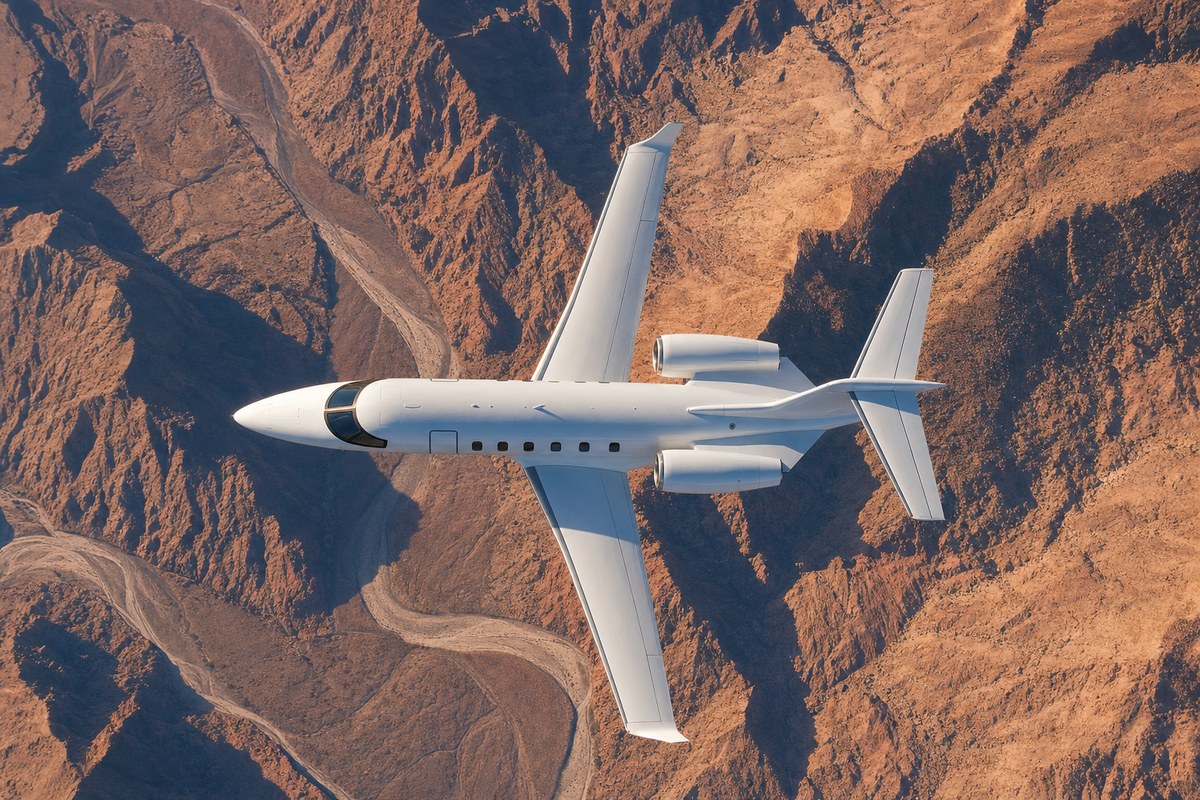
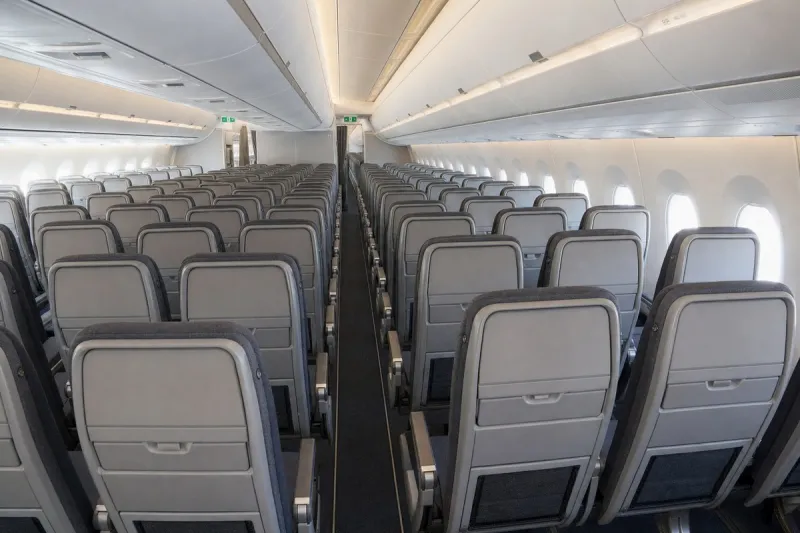
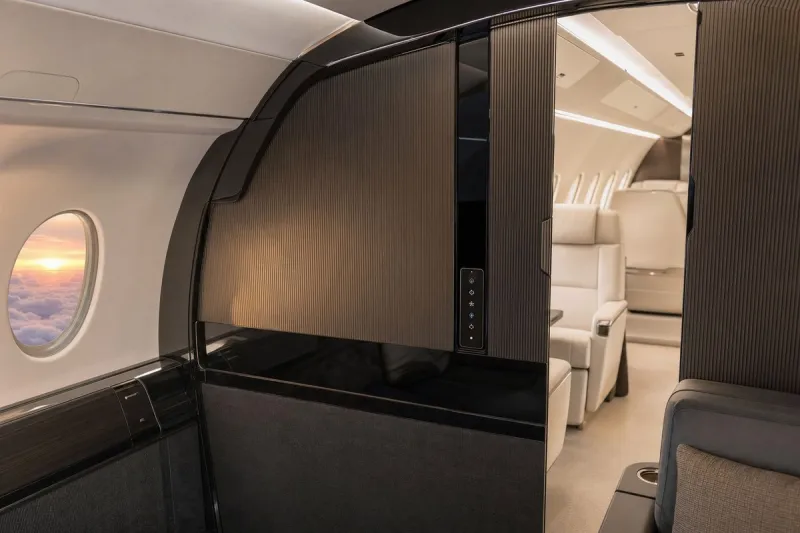
According to the EASA type certificate data sheet, maximum passenger capacity is eight in the executive interiors configuration and 10 in the commuter interior configuration. When a single pilot flies the aircraft, one additional passenger may be seated in the right-hand cockpit seat. Pilatus also markets other layouts, including six- and eight-seat executive configurations.
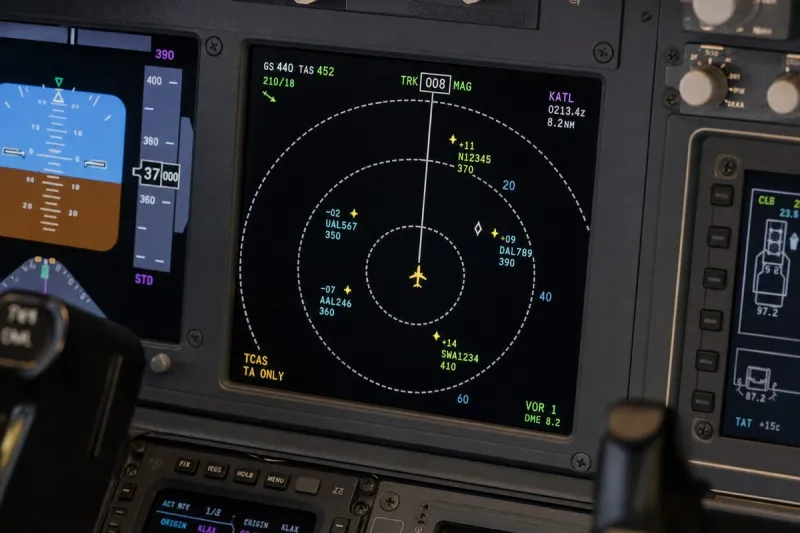
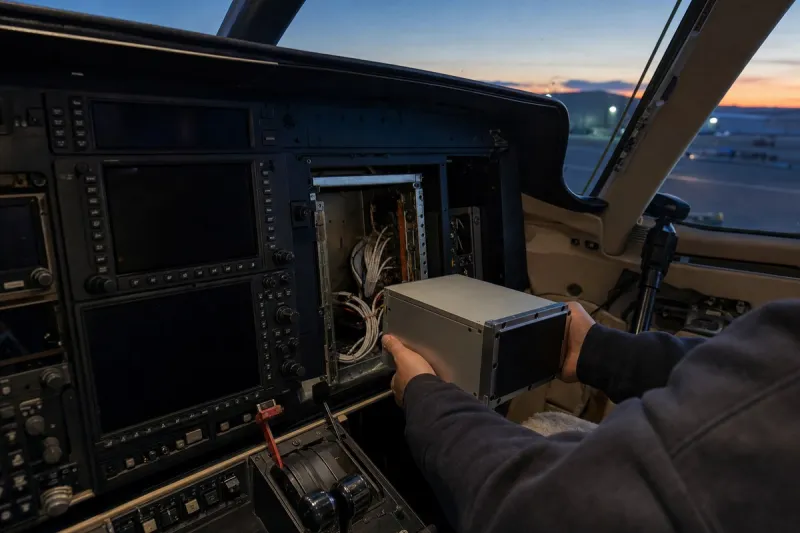
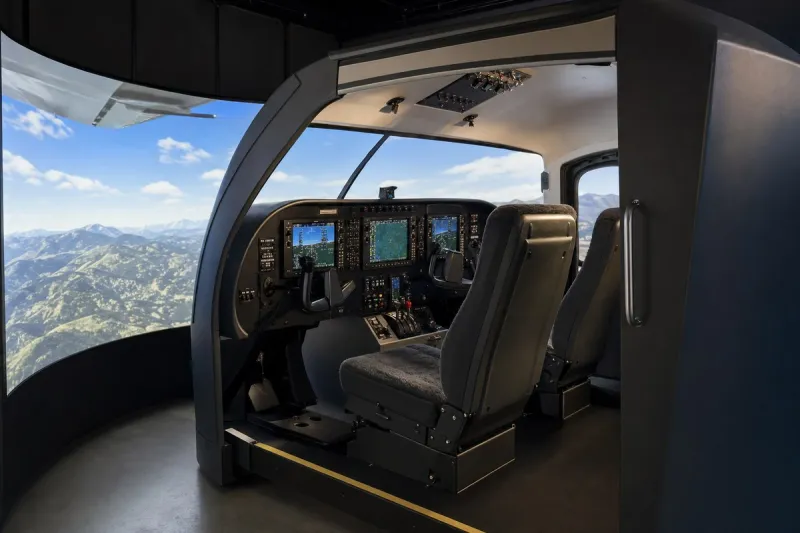
The jet is certified for single-pilot operations and uses Pilatus' Advanced Cockpit Environment (ACE) avionics system, powered by Honeywell's Primus Epic 2.0 integrated avionics. Features include an autothrottle, dual flight management systems, Mode S diversity transponders with ADS-B Out capability, four 12-inch LCD displays, a touch-screen controller, the SmartView synthetic vision system and a traffic alert and collision avoidance system (TCAS). The aircraft is capable of RNP 0.3 and can fly LPV approaches.
Two Williams International FJ44-4A-QPM turbofan engines power the aircraft. A Quiet Power Mode allows the cabin and all systems, including climate control, to be powered by the right engine in a sub-idle mode while on the ground. An 18,740-lb maximum takeoff weight limitation is approved for aircraft with the Design Weight Increase, MSN 501 and up. Maximum payload with full fuel is 3,100 lb.
Speed, altitude and range
Maximum operating Mach number is 0.74 and maximum operating altitude is 45,000 ft. Single-engine service ceiling is 29,100 ft. Maximum cruise speed at FL280 is 440 KTAS, and time to climb directly from sea level to FL450 is 27.1 minutes.
With NBAA IFR reserves of 100 nm, four passengers, an 800-lb payload and one pilot, maximum range is 2,040 nm. It is 2,000 nm with six passengers and 1,200 lb of payload, and 1,154 nm with maximum payload.
Pilatus promotes the PC-24 for certification for operations on dirt, gravel, grass and snow and for short-runway capability.
Industry impact & what to watch
The PC-24's specification sheet reads as a deliberate trade. A 0.74 Mach ceiling, 45,000 ft operating altitude and 440 KTAS cruise place it among jets, while approval for dirt, gravel, grass and snow surfaces and short-runway capability points at airfields that most business jets of its speed class cannot use. For operators, that makes airport access, not just range, a line item in the economics of the aircraft.
The range figures show how sensitive the mission profile is to load. The gap between 2,040 nm with four passengers and 800 lb of payload and 1,154 nm at maximum payload means the quoted range depends heavily on how the cabin is filled. Single-pilot certification and a touch-screen-driven cockpit also lower crew requirements for owner-flown and small-operator use, a segment where staffing cost often decides whether a type is viable.
The October 2023 upgrade, with higher maximum and full-fuel payloads and a longer six-passenger maximum range, is the development that shifts these numbers. Buyers comparing the type will need to check which weight standard applies, since the 18,740-lb takeoff weight limitation is tied to aircraft with the Design Weight Increase, MSN 501 and up.