Aviation Performance Solutions Launches Spatial Disorientation Training Program for Professional Pilots at NBAA-BACE 2026
Why It MattersThe program reflects growing operator demand for practical spatial disorientation training following the FAA's January 2026 guidance covering Part 91, Subpart K and Part 135 flight departments.
Aviation Performance Solutions (APS) announced on 19 October 2026 a spatial disorientation training program that combines virtual reality, instructor-led instruction and in-aircraft demonstrations. It is designed to help professional pilots recognise misleading sensory information and keep control of the aircraft during a disorientation event. The program has four components: instructor-led academic instruction, repeatable virtual reality scenarios, controlled in-aircraft physiological demonstrations and structured debriefing, following APS's four-stage approach of Experience, Recognize, Reject and Recover.
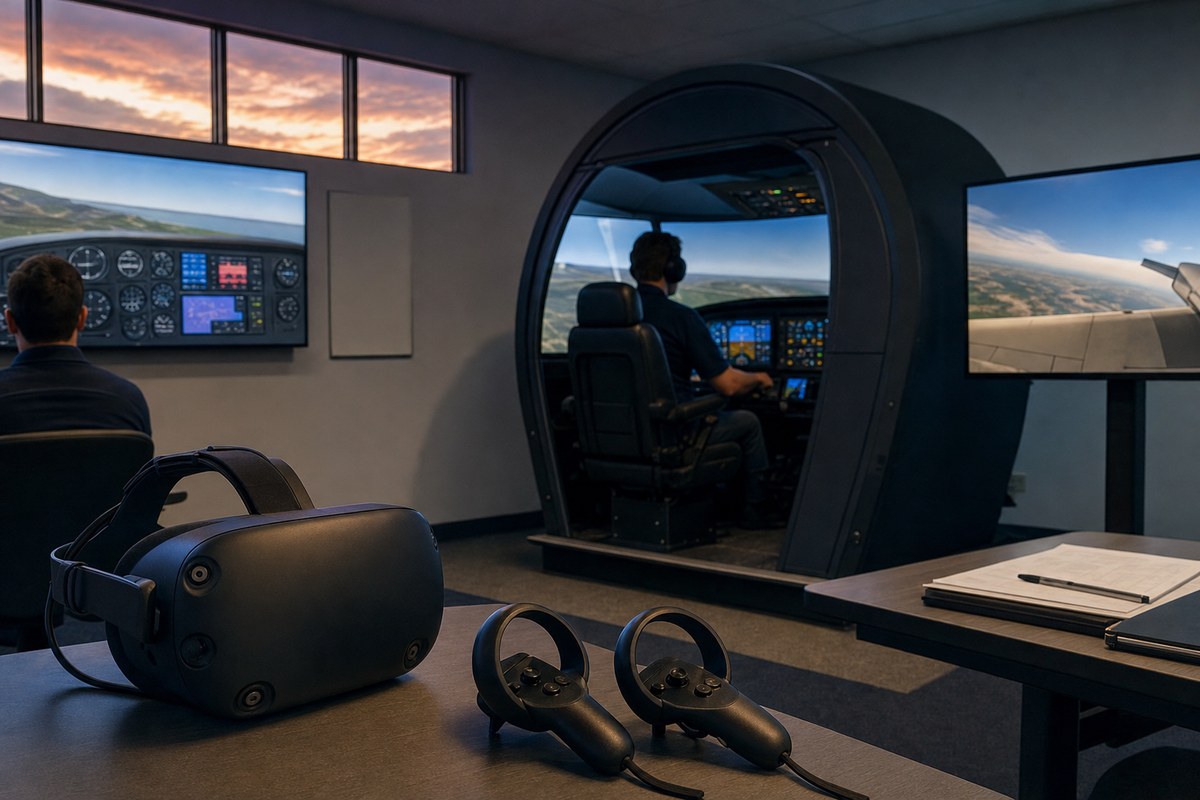
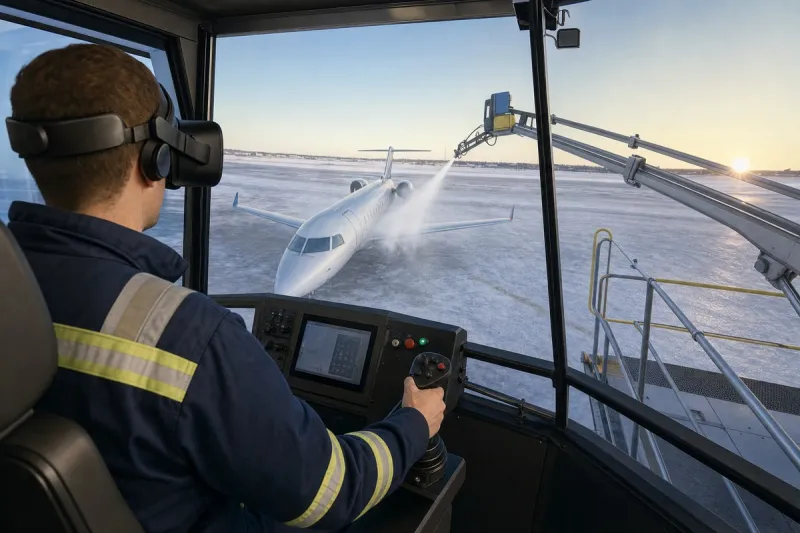
The virtual reality scenarios include black-hole night approaches, narrow- and wide-runway visual illusions, and flight in cloud and heavy snow. Aircraft demonstrations cover the leans and the graveyard spiral, letting pilots feel motion cues that a fixed-seat virtual reality environment cannot fully reproduce. APS intends to fold the program into its existing FAA Part 141 pilot school certificate as an Appendix K Special Operations Course; it is working with the FAA on approval, and the proposed course remains subject to regulatory review. The approach aligns with FAA Information for Operators (InFO) 26003, issued on 22 January 2026, which recommends theoretical and practical spatial disorientation training for Part 91, Part 91 Subpart K and Part 135 operators.
APS is presenting the program at Booth 3319 during NBAA-BACE from 20 to 22 October 2026, where attendees can try guided VR demonstrations and meet Norm "DQ" Dequier, Vice President of Flight Operations and lead spatial disorientation instructor, a former Royal Canadian Air Force instructor with more than 30 years of professional flying experience. APS CEO Paul "BJ" Ransbury said spatial disorientation remains dangerous because false sensory information can feel entirely convincing, and that the program was built to help pilots recognise that conflict and practise transferring trust to flight information and disciplined responses that protect aircraft control.