CITA Energies Chairman Warns Jet Fuel Price Volatility Threatens Suppliers' Financial Viability
Why It MattersThin-margin fuel marketers carry benchmark, currency and inventory risk that airlines' fixed-price contracts do not share, so supplier solvency becomes a contract-design problem for African aviation fuel supply.
Unstable global pricing for aviation turbine kerosene (ATK), commonly known as jet fuel, seriously threatens the financial stability and long-term viability of jet fuel suppliers, according to Ogungbangbe, Chairman of CITA Energies. Speaking to Aviation Metric at an event marking two decades of CITA Energies' operations, he said that without robust risk management and strategic pricing frameworks, marketers face significant exposure to structural operating losses.

Ogungbangbe said jet fuel pricing is anchored to international benchmarks such as Platts, Brent crude futures and refining crack spreads, combined with local freight, foreign exchange (FX) differentials and handling logistics. Because those benchmarks fluctuate with geopolitical tensions, supply chain disruptions and shifts in refinery capacity, rigid or mismatched formula pricing models compress marketers' margins. He described jet fuel marketing as a thin-margin, high-volume business in which timing is critical.
He identified several vulnerabilities. Fixed-price or delayed-index contracts with airlines can prevent marketers from passing on sudden benchmark increases, forcing them to restock at higher prices than they realised from sales. Where jet fuel is imported in US dollars but contracted or settled in local currencies, sudden devaluations erode pre-calculated margins. Supply chain bottlenecks and longer holding periods in marine tanks also increase exposure to market backwardation, in which future spot prices fall below current prices and can devalue stored inventory.
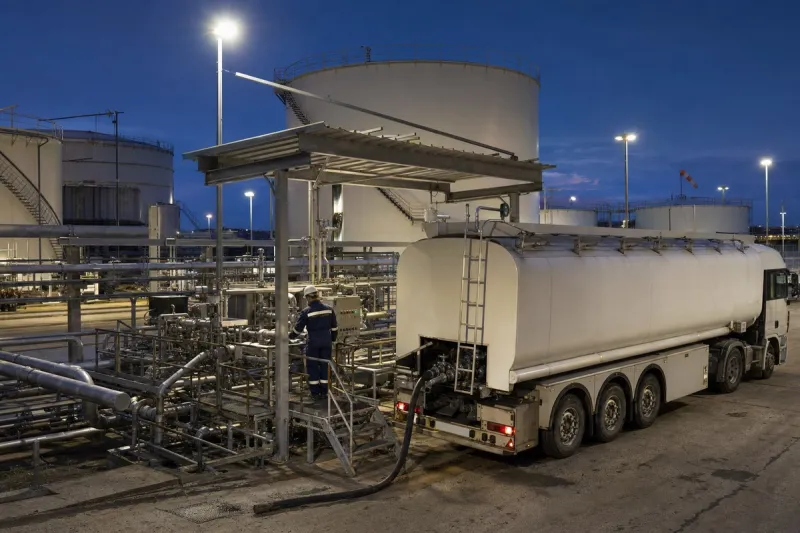
Reflecting on the 20-year milestone, Ogungbangbe credited CITA Energies' market position to disciplined risk management, infrastructure investment and agile pricing strategies. He said the company has grown from an entrant in the downstream aviation sector into one of Africa's leading aviation fuelling service providers, operating across major airport hydrants and depots. He said the next decade will require fuel marketers to adopt sophisticated hedging tools, real-time formula adjustments and partnerships with domestic refiners to mitigate offshore price shocks.
He urged airlines, supply companies, financial institutions and regulators to work toward balanced, transparent and flexible contracting frameworks that protect both fuel suppliers and air carriers. CITA Energies Limited, founded 20 years ago, specialises in aviation fuel handling, depot operations and in-plane fuelling services at multiple international and domestic airports.