Cirrus SR22 Ownership Costs Split Into Capital, Fixed, Variable and Major-Event Groups, With Engine, Prop and CAPS Intervals Driving Budgets
Why It MattersBudgeting a piston single like the SR22 around lifecycle limits and utilization rather than an hourly rate shifts weight toward low-hour owners, whose calendar-driven costs spread over fewer flights.
An ownership-cost guide for the Cirrus SR22 says no single hourly figure describes what the aircraft costs to own, because utilization, generation and configuration change the picture. An owner flying 60 hours a year spreads hangar, insurance, subscriptions and annual inspection costs over far fewer hours than one flying 180. The guide recommends separating costs into four groups: capital, fixed annual expenses, flight-variable expenses, and major maintenance or lifecycle events.
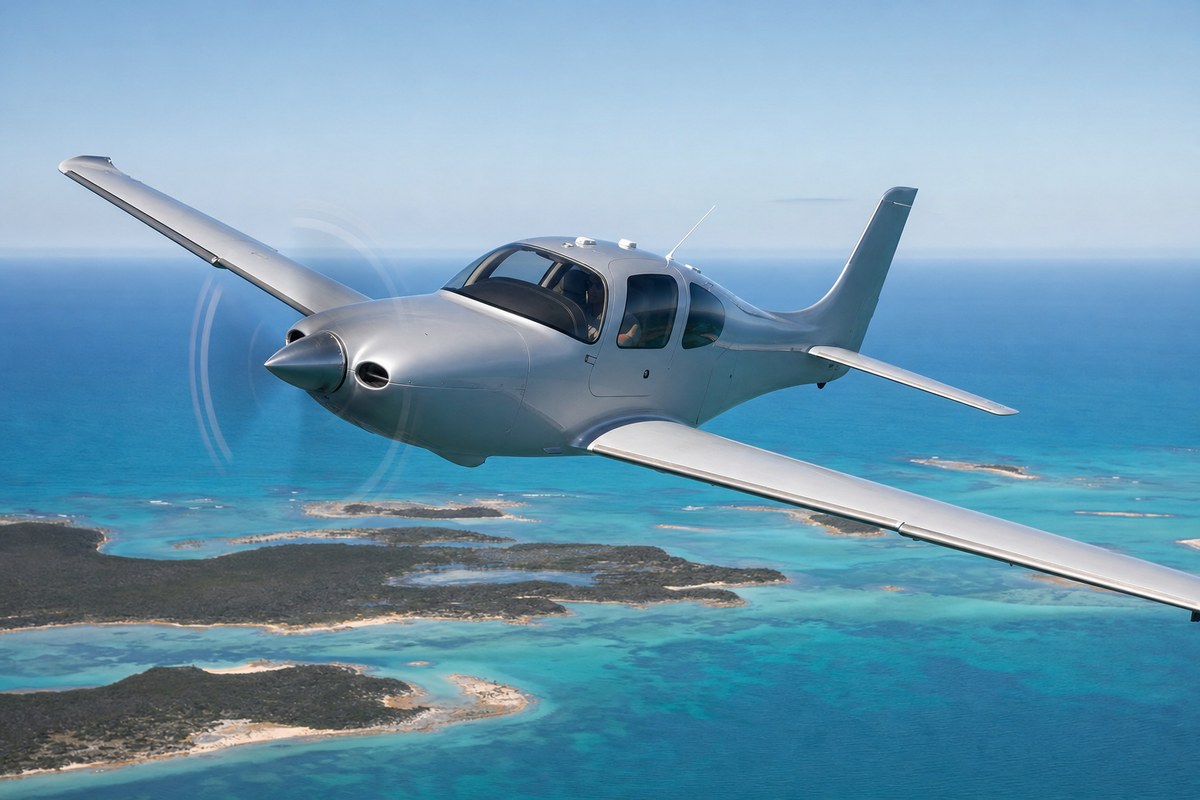
For a 2005 normally aspirated SR22 GTS, AOPA published fuel burn of 17.8 GPH at 75% power (about $133.50 per flight hour at an assumed $7.50 per gallon), 15.4 GPH at 65% power (about $115.50), and 11.3 GPH at 55% best economy (about $84.75). At 100 flight hours a year, the difference between the first and third settings is almost $4,900 in annual fuel. The SR22T, with its TSIO-550-K engine, should be modeled separately. Insurance depends on hull value, pilot experience, time in type, claims history and coverage, so quotes should be obtained for the actual pilot and aircraft, and hangar cost should be based on a real local quote. Cirrus offers its Embark program for qualifying purchasers of pre-owned SR20, SR22, SR22TN and SR22T aircraft; owners must enroll within 30 days of delivery and finish within 60 days of enrollment, with up to three days of transition or differences training. One independent shop publishes base annual-inspection labor of $2,800 for an SR22 and $3,800 for an SR22 Turbo, excluding parts, repairs, discrepancies, AD compliance, consumables and additional labor, and the guide advises keeping the inspection cost and a maintenance reserve separate.
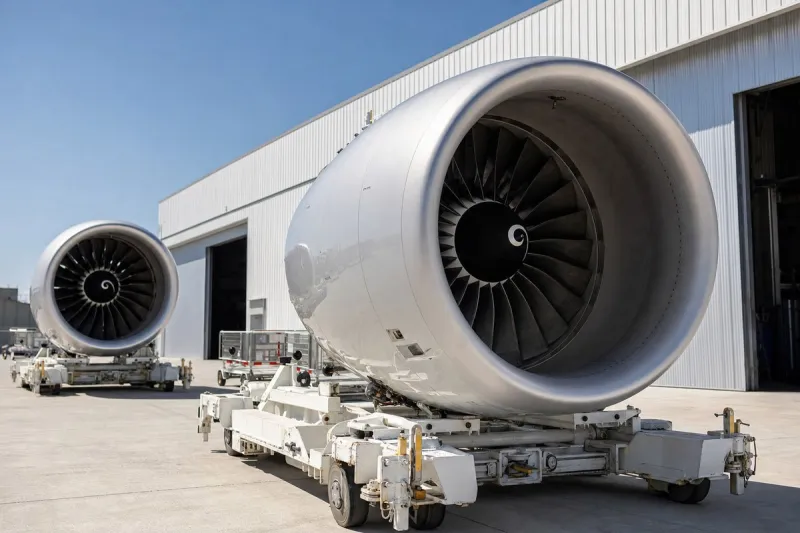
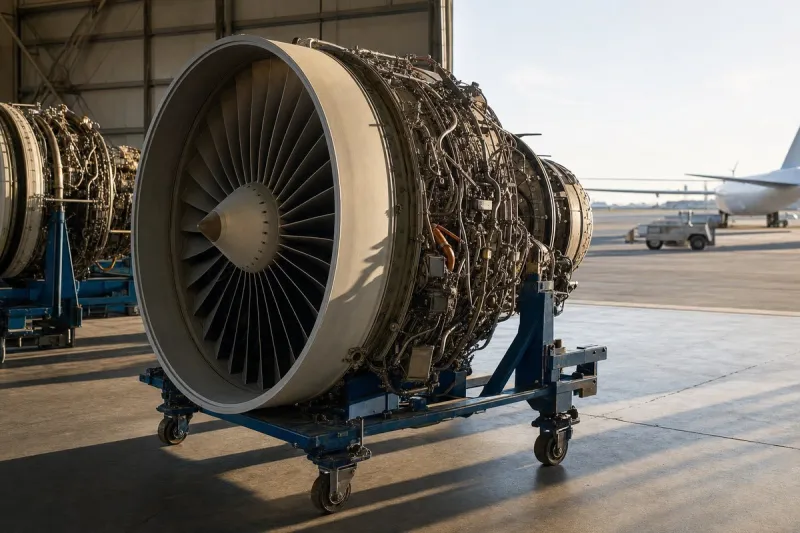
Most normally aspirated SR22s use the 310-hp Continental IO-550-N, and the SR22T uses the 315-hp TSIO-550-K; Continental lists both at a recommended 2,200-hour or 12-year TBO. As of September 2026, one distributor lists an IO-550-N at about $71,800 plus a refundable $22,000 core charge, and a factory-rebuilt TSIO-550-K1 at about $112,100 plus a refundable $36,000 core charge. Spread over 2,200 hours, that is roughly $33 and $51 per flight hour respectively, excluding installation and other costs. For several common Hartzell SR22 and SR22T installations, including the four-blade Odyssey conversion, the propeller overhaul interval is 2,400 hours or six years, whichever comes first, so an owner flying 100 hours a year reaches only 600 hours in six years and a low-hour propeller can still be near its calendar limit.
The CAPS rocket motor and parachute are replaced or repacked on a 10-year interval for most installations, with some earlier part numbers at 11 years, and reefing-line cutters are replaced every six years. One Cirrus Service Center publishes an expected $18,000 to $20,000 for an SR22 CAPS repack, roughly $1,800 to $2,000 per year over ten years, with line cutters extra if due at the same time. Avionics costs are irregular rather than hourly, since failures of displays, navigators or autopilot servos do not follow a schedule.