Korean Air and Partners Fly Surrogate Air Taxi Over Open Water in Korea's First Island-Region UAM Demonstration
Why It MattersKorea's UAM push is moving from mainland test corridors to over-water island routes, where cellular coverage is absent and dedicated aviation networks and control systems become decisive.
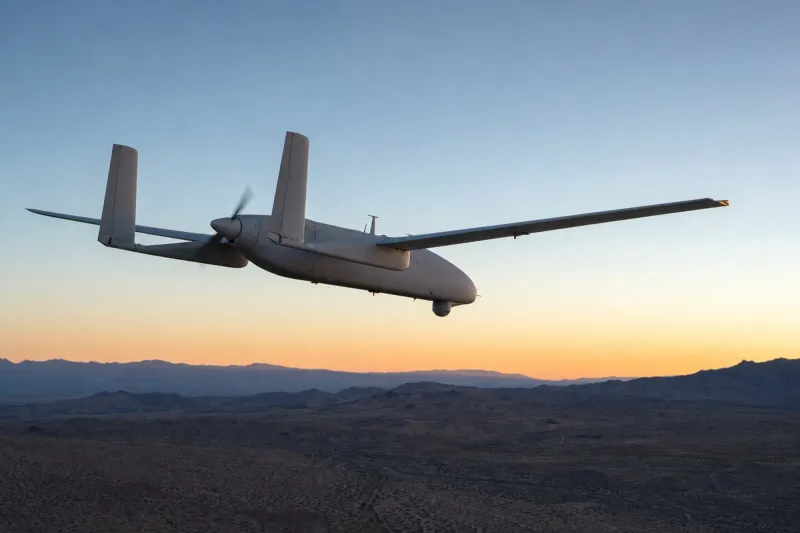
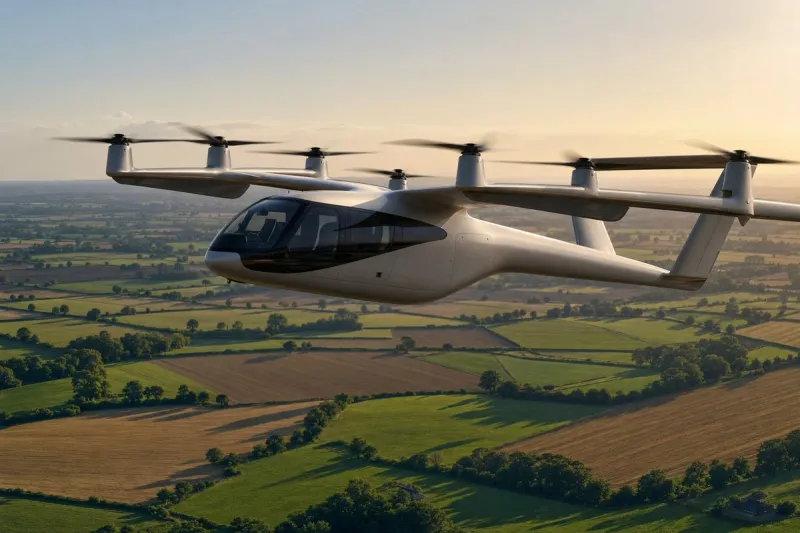
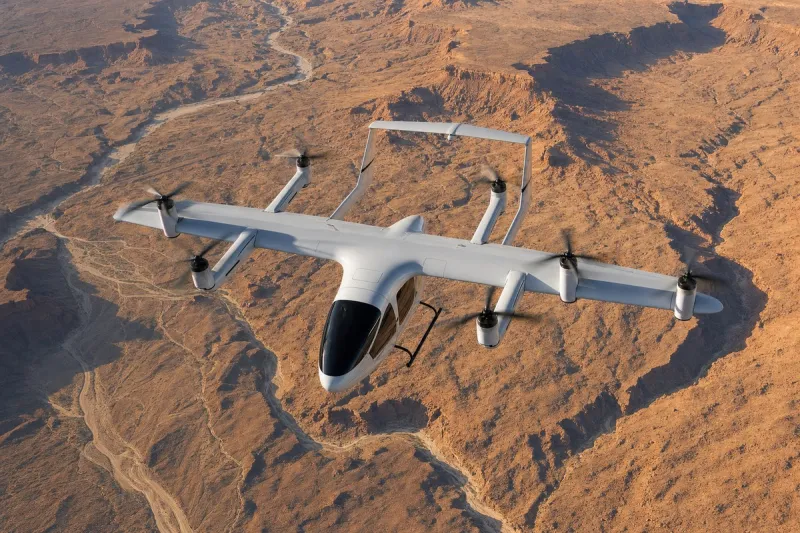
On October 20, a surrogate aircraft took off near Yeongjong Island on Korea's west coast and flew over the sea toward Deokjeok Island, in a demonstration announced by Korean Air on October 21. Korean Air called it the first UAM demonstration in Korea run together with a local government; KT described it as Korea's first public UAM demonstration in an island region. The route ran from Geojampo on Yeongjongdo out to Deokjeokdo and back toward Wangsan Marina. A surrogate was used because the electric aircraft Korea intends to fly on the route does not yet exist in certified form.
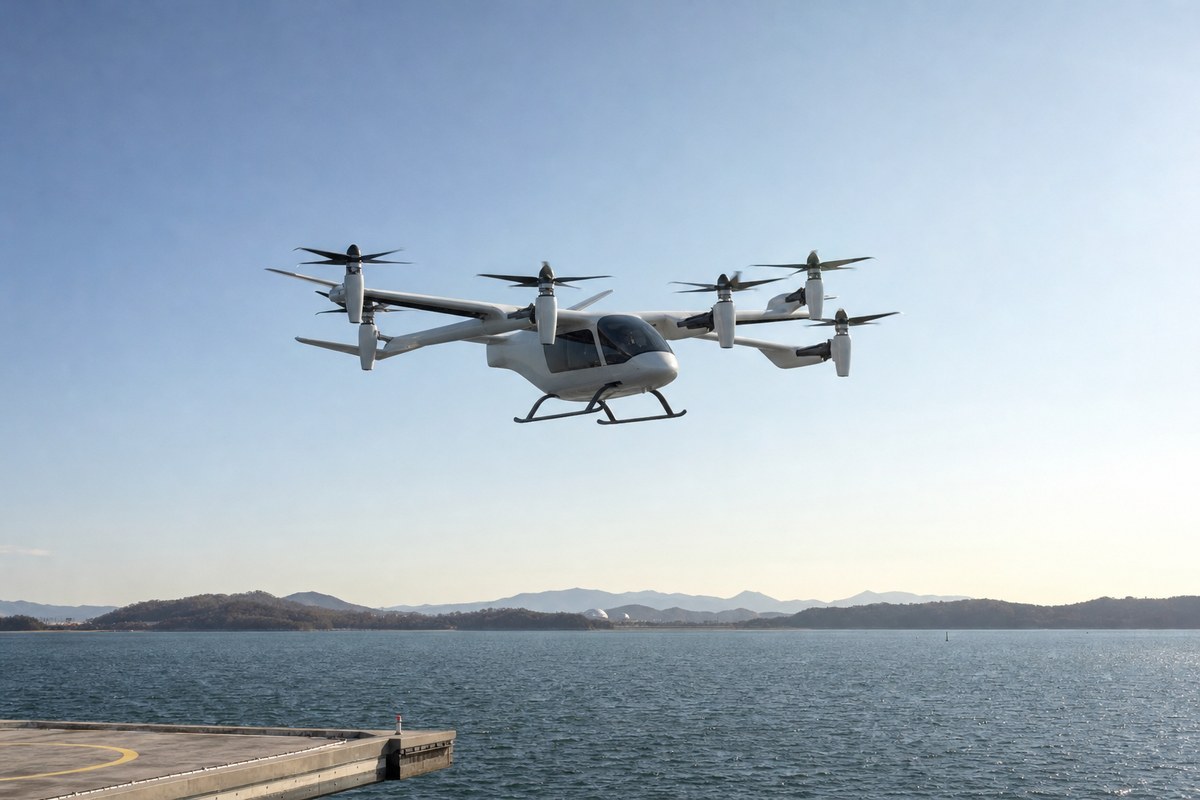
Korean Air ran the flight through ACROSS, a control system it built itself, which held the aircraft on its assigned path, maintained the traffic picture and led the integrated operation. Incheon has chosen ACROSS as the control system for its UAM network, and Korean Air plans to finish the first phase in December.
KT, the telecom carrier in the group, built a dedicated aviation network in the 800 megahertz band, backed by satellite links through its KT SAT arm, because there are no cell towers over open water. KT reported that position data reached its traffic management platform with a 100 percent success rate across the full flight path and that pilot-to-ground voice stayed clear. KT also ran an agent-based traffic management platform that reads the flight plan, aircraft position, weather and landing-pad status and proposes departure and arrival times and contingency procedures.
The demonstration was carried out by the K-UAM One Team: Korean Air (operations and control), Incheon International Airport Corporation (ground infrastructure), KT (communications), and Hyundai Motor and Hyundai Engineering and Construction (aircraft and pads). The Ministry of Land, Infrastructure and Transport and the city of Incheon oversaw the work. It builds on Korean Air's earlier K-UAM Grand Challenge flights, at Goheung in April 2024 and on a Cheongna–Gyeyang route in Incheon a year ago, where it practiced handing control of an aircraft between operators.