PwC Directors: Aerospace and Defense Suppliers Need Firm Orders, Not Forecasts, to Scale Production for Surge Demand
Why It MattersOutput across commercial, defense and space programs is capped by the thinnest tier of the supply chain, so rate increases hinge on committed funding reaching small sub-tier suppliers.
Aerospace and defense manufacturers are being asked to raise production to surge volumes, often multiples of current output, as commercial, defense and space demand converge on the same strained supply base. Ashley Ransom and Aaron Cooke, Directors in PwC's Aerospace & Defense practice, described where the constraints lie in an interview with Aviation Week. Ransom said pressure is concentrated unevenly in the supply base and that the overall production rate is set by the most constrained node. Many raw material suppliers report no ability to scale beyond double their output, and visibility falls off outside a company's own operations, so a Tier 1 supplier may not learn of a problem until a delivery is missed. A shortage of a single specialty fastener can force a program to change its rate projections.
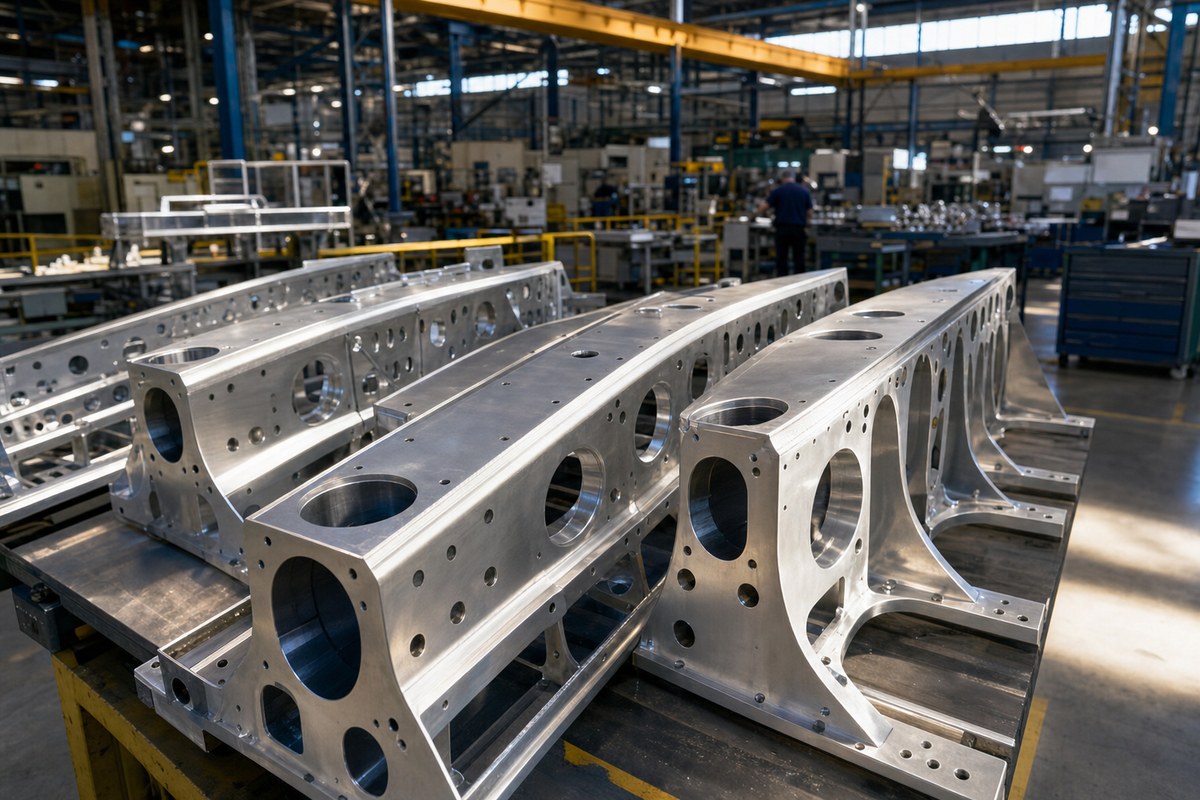
Cooke said the industry is built to stretch existing capacity incrementally, by 10 to 50%, rather than surge to multiples of current output, a result of decades of asset-light operation and global outsourcing that COVID, deglobalization and active conflicts have upended. Dual-sourcing often falls short because the supplier pool is fixed, capital needs are high, demand is uncommitted and alternatives require third-party qualification. Skilled trades, long equipment lead times and inflationary input costs add further constraints.
On demand certainty, Ransom said suppliers need actionable commitments backed by firm orders rather than larger forecasts. Primes tend to see demand come in higher than forecast while raw-material suppliers often see the opposite, and hedging at every tier creates a cumulative bullwhip effect. Multi-year framework deals help, but the funding is not real until Congress passes the budget. Cooke said most sub-tier suppliers still finance capacity through bank loans against orders, which take time to flow down.
To de-risk the ramp, Cooke recommended identifying local constraints that will materially affect readiness over the next 12 months and unlocking the 10 to 50% latent capacity he says often exists through improved yields, scheduling and productivity, while building net-new capacity on bottleneck processes over the longer term. Ransom said primes and larger suppliers need to close funding and capacity gaps deeper in the chain through targeted capital investment, U.S. government co-investments, on-site recovery teams and designing out constrained parts.
Looking ahead, Cooke said products and production systems must be designed to scale from the outset, with innovation, scalability and resilience equally weighted. Ransom said winners will work from one integrated ramp plan across engineering, operations, supply chain and suppliers, rather than separate planning and operations views that cause schedules to fail on the floor. She said most companies are likely a handful of strategic decisions away from real readiness.