Singapore to Trial Two New Transit Corridors at Seletar from 29 October 2026
Why It MattersSeletar's visual-only operations are being formalised with published waypoints and speed limits, tightening procedural standards for business jet operators using a space-constrained airport between two military-adjacent control zones.
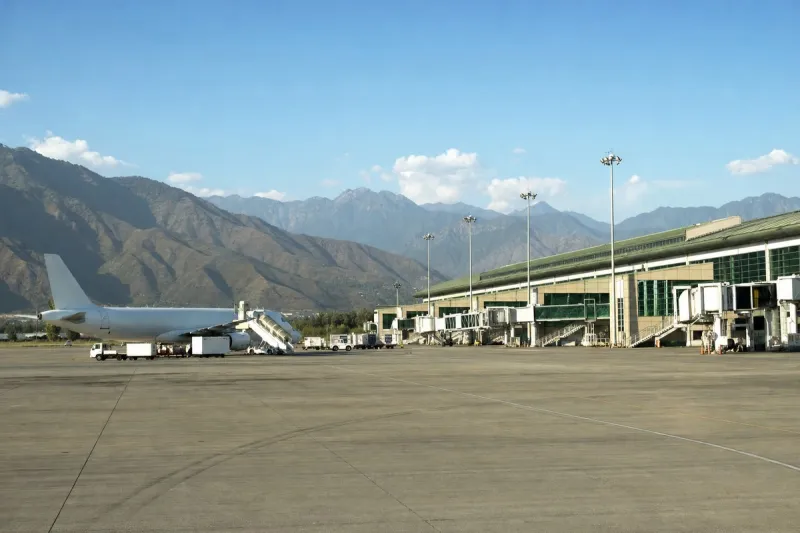
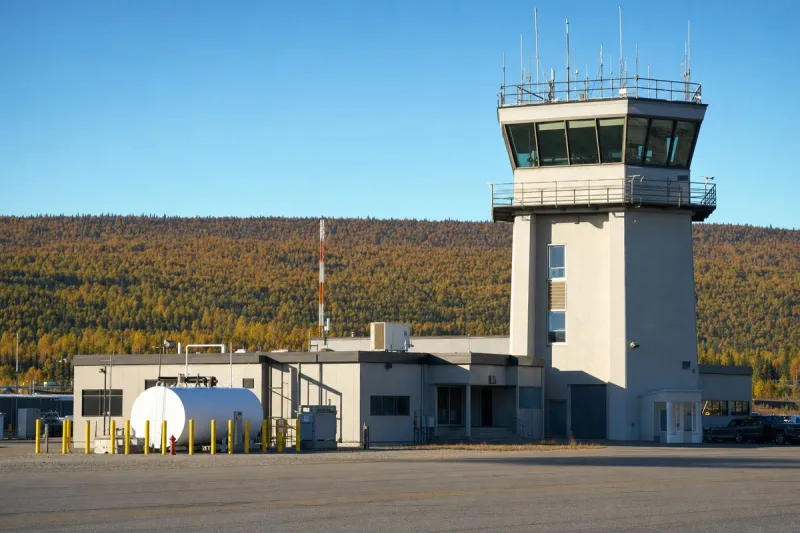
From 29 October 2026, the Civil Aviation Authority Singapore (CAAS) will introduce two Transit Corridors, TC-1 and TC-2, west of Seletar Airport to give aircraft more room to manoeuvre on visual arrivals and departures. The trial is expected to run until 7 July 2027 and may become permanent if it goes as planned. Seletar sits between Sembawang airspace to the west and Paya Lebar airspace to the east, close to the Malaysian border, and is a visual-only airport where even IFR traffic uses visual procedures.
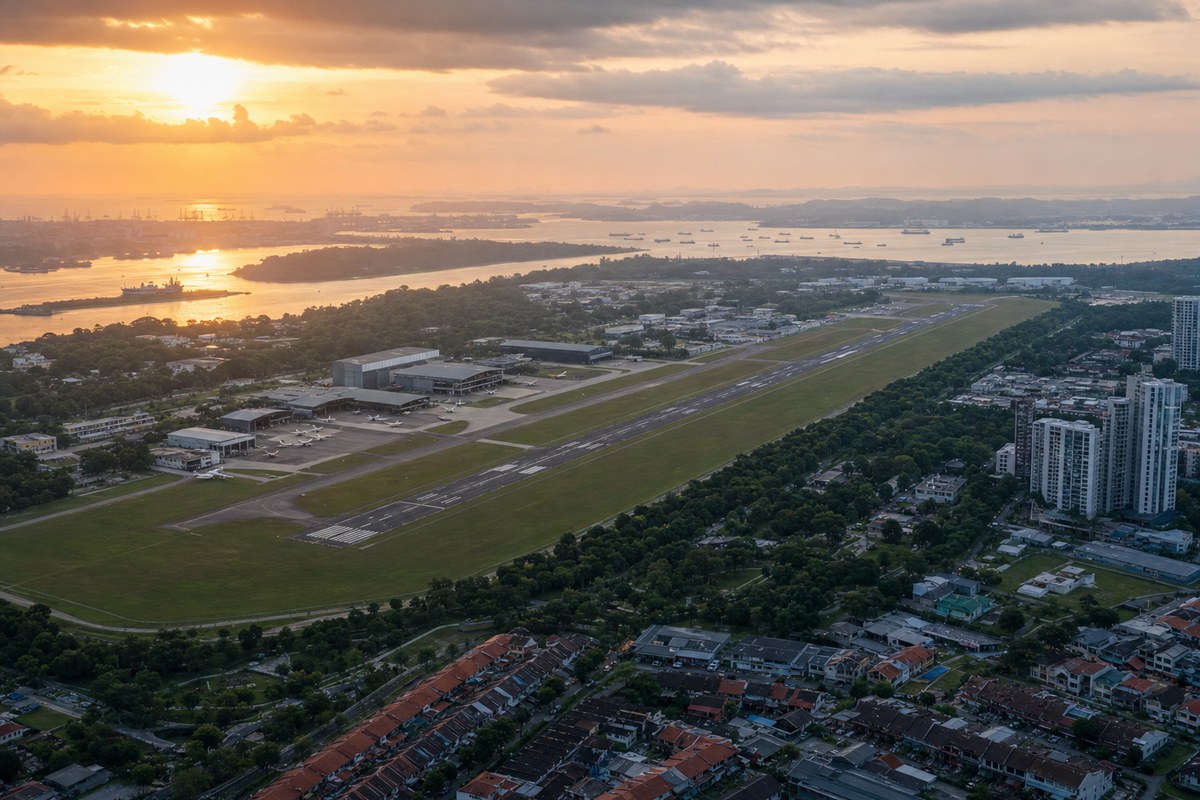
The corridors come with published visual waypoints, altitude restrictions and a maximum speed of 160 knots. Arrivals are expected to be in landing configuration and at minimum approach speed. On a Runway 03 arrival via OMKOM or GUMPU, aircraft follow RUSSO-SUMEG-TAPUM at 2,000ft, then descend to 1,000ft or as cleared by ATC, continuing via UPLUS and VIDER. The final is now roughly 2.5nm from the threshold, compared with 1.4nm previously. Runway 21 arrivals via SJ, PONJO and RECHI use SUMEG to RUSSO at 2,000ft, and the downwind through the corridor is likely to enter Malaysian airspace. CAAS also cited two misaligned Runway 03 takeoffs in 2024, after which the Runway 03 turn-pad lighting is illuminated only when required; Seletar has no runway centreline lights.
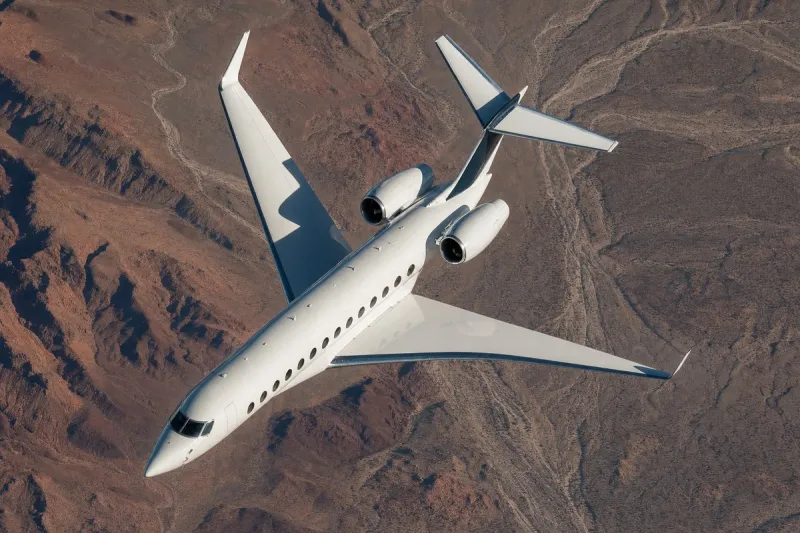
On the same day, Honeywell Aerospace will publish updated FMS-guided visual approach (RNAV-H) and visual departure procedures for Seletar. They provide lateral and vertical guidance through the FMS using Radius-to-Fix legs, with waypoints that differ slightly from the CAAS Transit Corridor waypoints. A Gulfstream G700 can fly them using the autopilot in LNAV/VNAV or Approach mode, but they remain visual procedures.
Operators must complete a familiarisation process, and pilots must self-certify that they understand the procedures via a link in the AIP SUP. Defined operating windows apply around GA activity at Seletar and military training in the neighbouring Sembawang and Paya Lebar control zones, with delays of around 15 minutes possible on certain weekdays. The full procedures are in Singapore AIP SUP 175/2026.