Rolls-Royce Deploys 'Optimiser' Multi-Agent AI, Built With Microsoft, to Speed Engine Maintenance Planning
Why It MattersFaster, continuously adjusted engine maintenance planning targets the engine-availability bottleneck behind aircraft-on-ground situations, pointing to AI scheduling becoming part of how engine aftermarket capacity is managed.
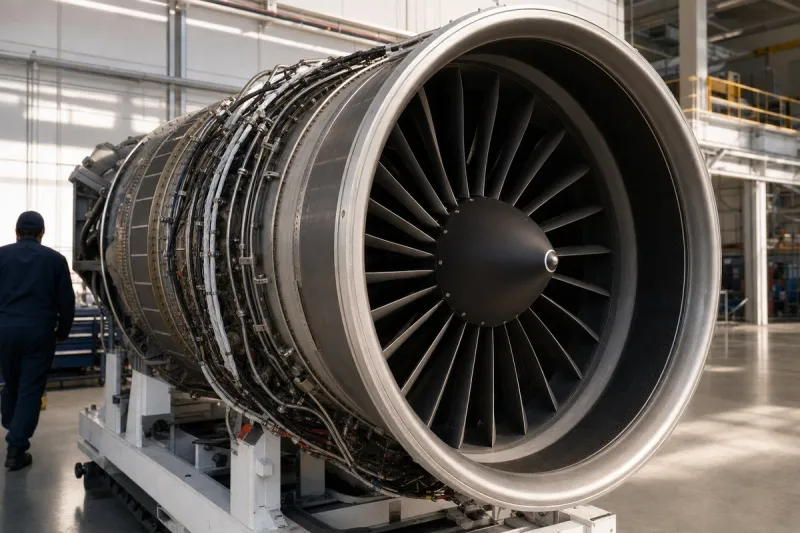
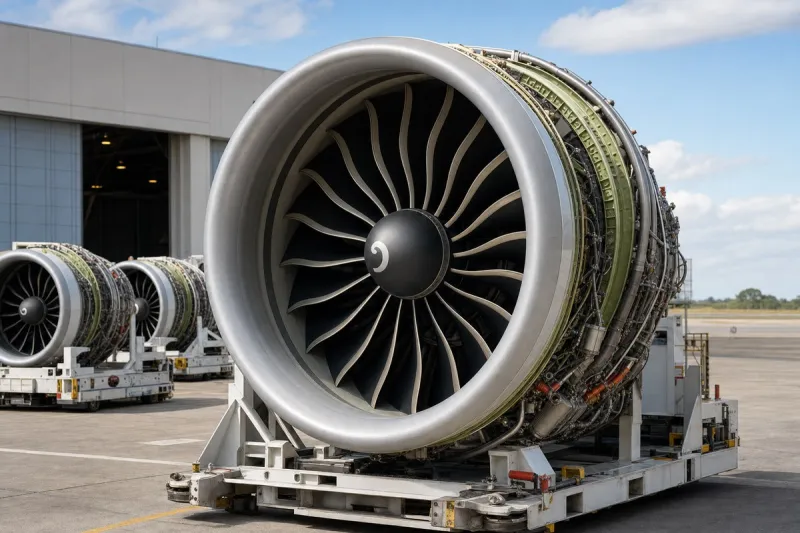
Rolls-Royce managed close to 1,500 aircraft engine shop visits in 2025. To plan that workload, the company is using an agentic AI system called Optimiser, built with Microsoft, as part of a multi-year transformation in which digital and AI play a key role. Matt Ley, Director of Engineering, Technology & Safety in the Civil Aerospace division, said each engine has around 30,000 parts, with scores of sensors monitoring 100 parameters every 1.6 seconds, creating millions of variables across an annual maintenance programme. Jamie Barkley, who leads aftermarket optimisation, said the challenge lies in getting an engine to the right place with the right parts, weighing capacity, capability, regulatory approvals and geographical and logistics constraints.
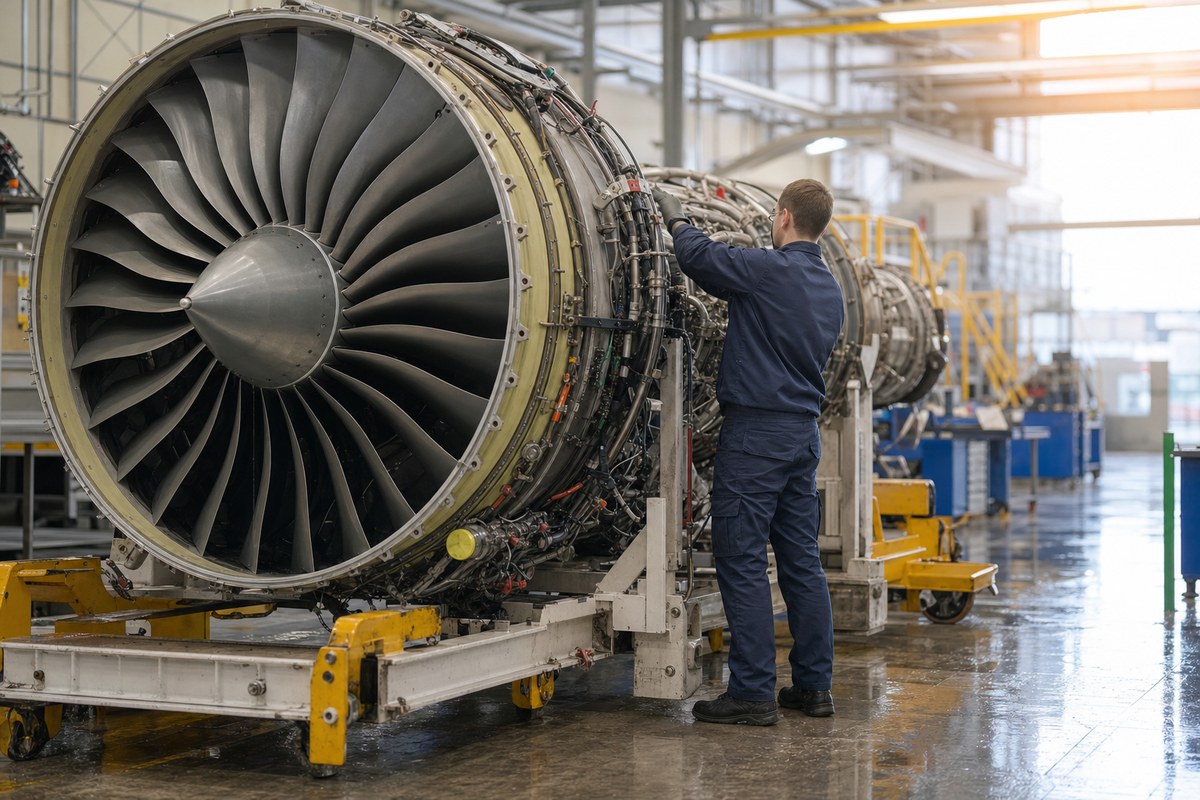
Optimiser is a multi-agent system. An Engine Agent draws on information about individual engines, a Workscope Agent helps determine what maintenance may be needed, Facility Agents consider workshop capacity and capabilities, and a Supplier Agent deals with the supply chain. Optimiser brings these perspectives together, while people retain oversight and accountability. Rolls-Royce has moved more than 40 business systems into Microsoft Azure, creating a centralised data store the AI can analyse, allowing maintenance plans to be adjusted continuously as circumstances change.
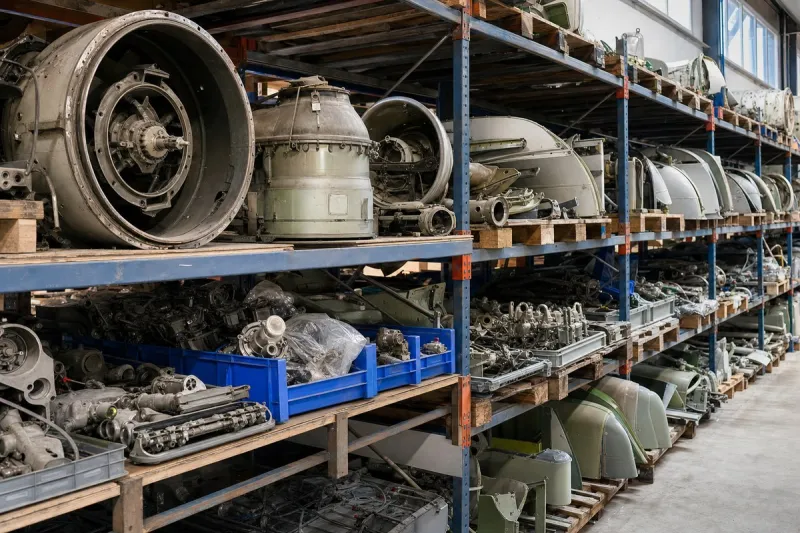
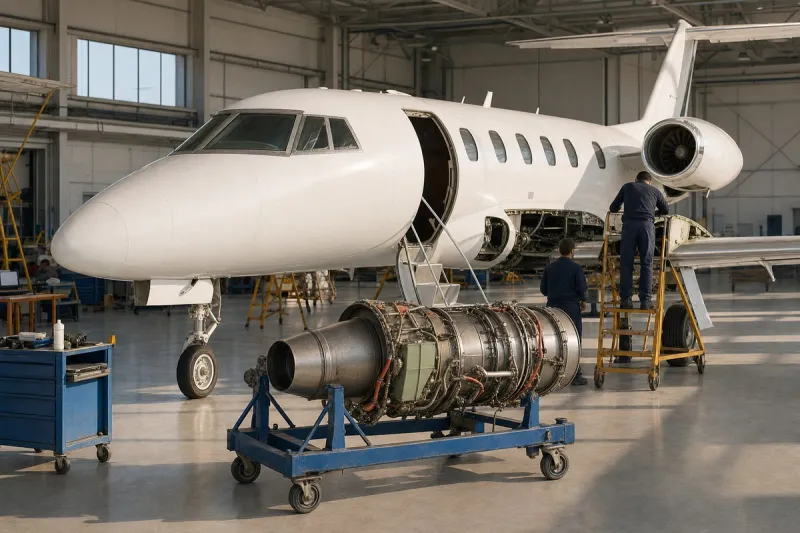
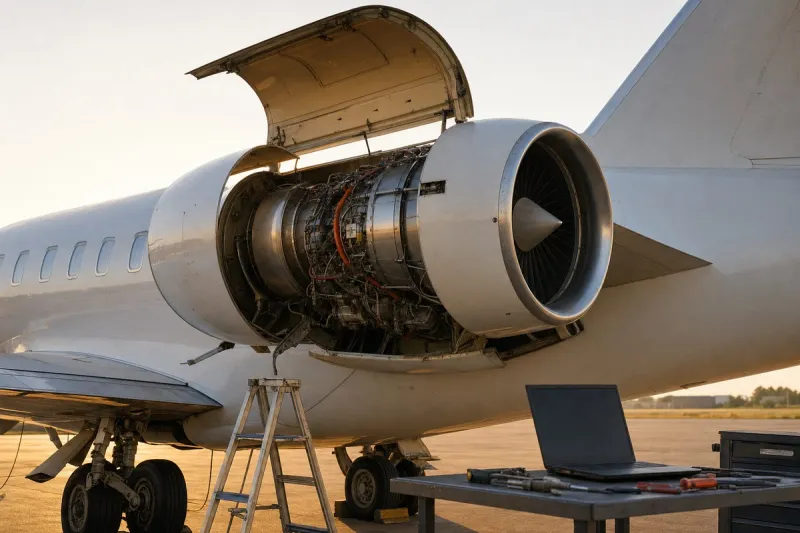
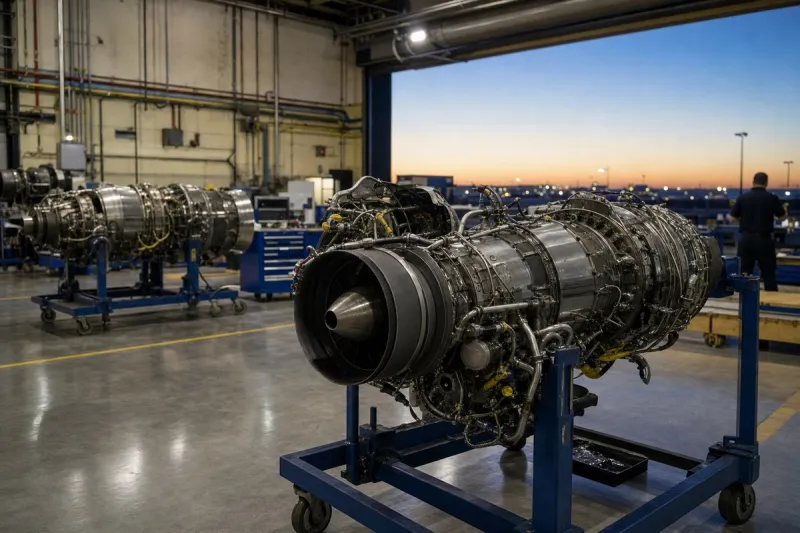
Once an engine is in the workshop, it is disassembled, its components assessed, parts repaired or replaced, then rebuilt and run on a test bed, and it must meet safety criteria assessed by the regulator before returning to service. Ley noted that the industry has at times struggled with "aircraft-on-ground" situations, where too few engines are available to keep all aircraft flying, a problem that became acute after the Covid-19 pandemic as the supply chain, skilled workforce and parts availability recovered more slowly than passenger flights. Rolls-Royce says faster planning helps it have capacity and parts ready in time, makes maintenance schedules more predictable and returns engines to airlines more quickly. Optimiser is still developing, but Rolls-Royce says initial results show it is helping reduce engine maintenance turnaround times.