Airbus Exclusivity Deals Helped Rolls-Royce Recover From Trent 1000 Crisis and Fund Engine Fixes
Why It MattersSole-source engine positions on newer widebodies give engine makers predictable service revenue that can cushion costly in-service fixes on other programs, shaping where manufacturers compete.
Rolls-Royce's shift from competing on shared-engine widebody programs to supplying exclusive engines on Airbus jets helped the company recover from the Trent 1000 crisis on the Boeing 787 Dreamliner.
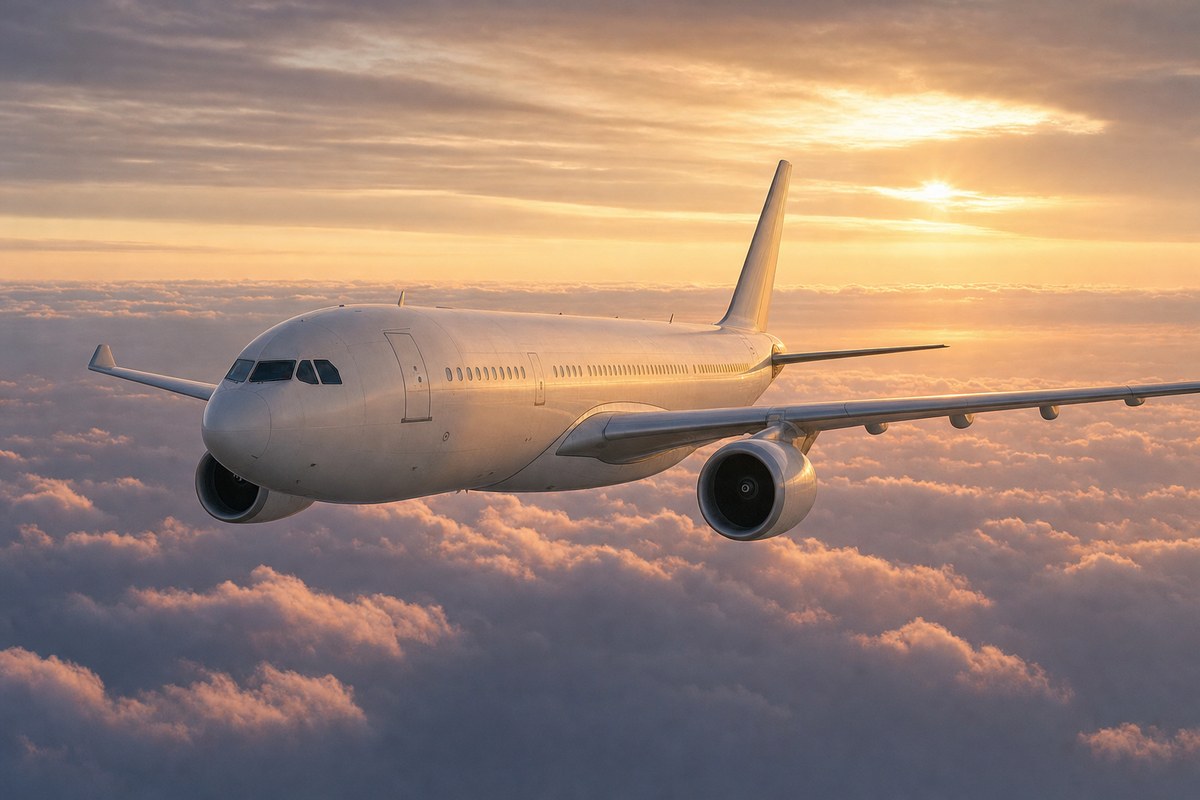
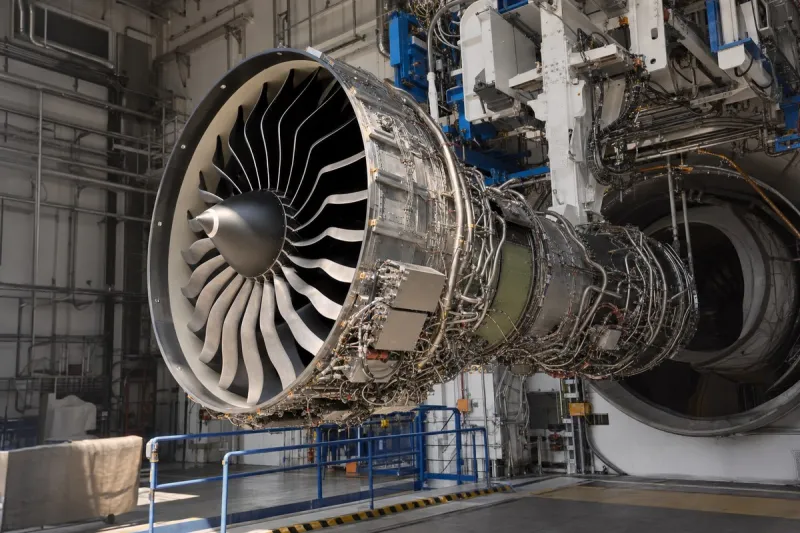
Rolls-Royce entered the Airbus A330 market late: its Trent 700 entered service with Cathay Pacific in 1995, after the A330 launched in 1987 with engine options only from General Electric and Pratt & Whitney. The company had concentrated on the Boeing 777, where its Trent 800 competed with the GE90 and the Pratt & Whitney PW4000, and the GE90 became the most popular 777 engine. By 1999 the Trent 700 had won nearly 40% of A330 engine orders and later claimed about 60% of the market. It is described as having a 99.9% dispatch reliability rate.
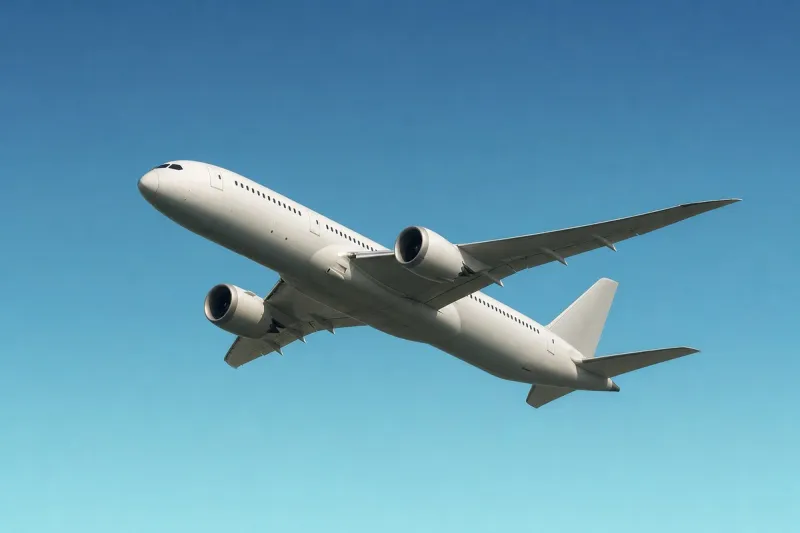
The Trent 1000, developed for the 787, later suffered premature wear, cracking and corrosion-related fatigue on its blades, first found by All Nippon Airways maintenance workers. Aviation authorities, including the Federal Aviation Administration, sharply reduced the maximum distance the affected aircraft could fly from an airport, blocking normal ocean routes. British Airways, All Nippon Airways and Air New Zealand parked active 787s for engine replacements, and Rolls-Royce faced billions of dollars in repair costs.
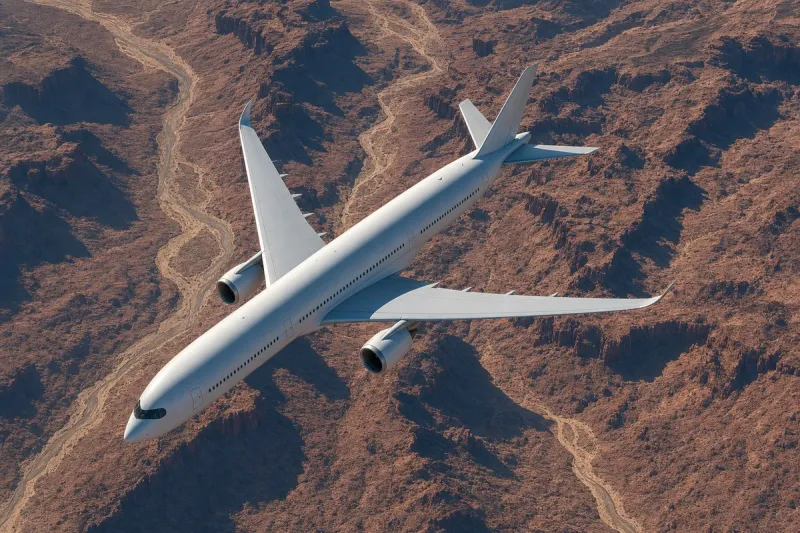
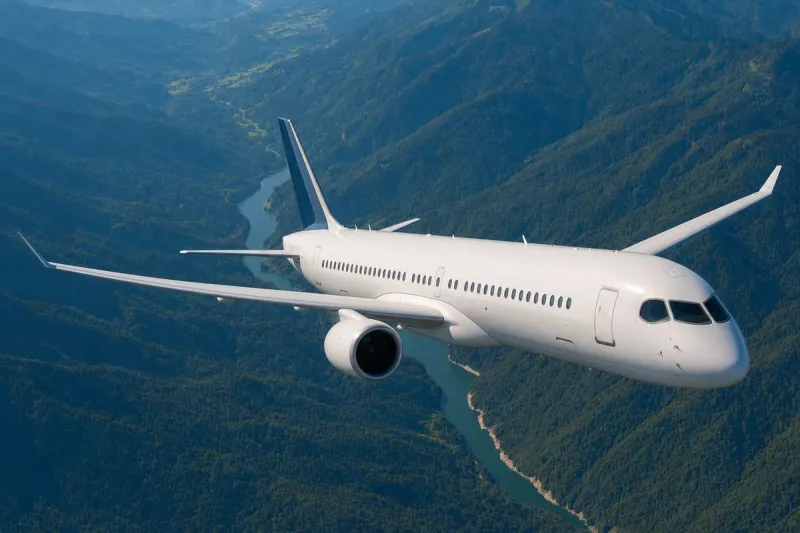
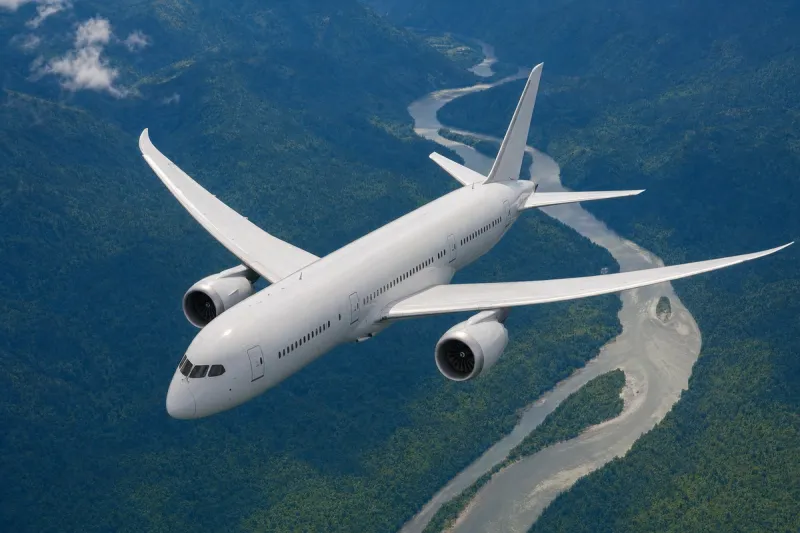
On the Airbus A350 XWB, GE determined its GEnx could not safely grow to power the largest A350-1000 without an expensive redesign, and because of its exclusive contract to supply all Boeing 777 engines it declined to build an engine for a direct competitor. Pratt & Whitney lacked a mature widebody engine at the time. Airbus therefore had one viable option, the Rolls-Royce Trent XWB, which was co-engineered with the airframe. For the A330neo, launched in 2014, Rolls-Royce is the exclusive supplier with the Trent 7000, which was derived from the Trent 1000's low-pressure system.
The guaranteed market share on these programs provided predictable cash flow through TotalCare service agreements. Rolls-Royce applied high-pressure turbine blade cooling architecture and coatings validated on the Trent 7000 to the Trent 1000 XE upgrade for the Dreamliner. The company is now positioning its UltraFan engine as a contender for the next generation of narrowbodies, planned for launch in the mid-2030s.