FlySafe Publishes Methodology for Scoring Airspace Risk by Flight Information Region
Why It MattersPublishing signal classes while keeping weights proprietary shows airspace risk scoring is becoming a productised, confidence-tiered service that operators can use alongside official aviation-authority notices.
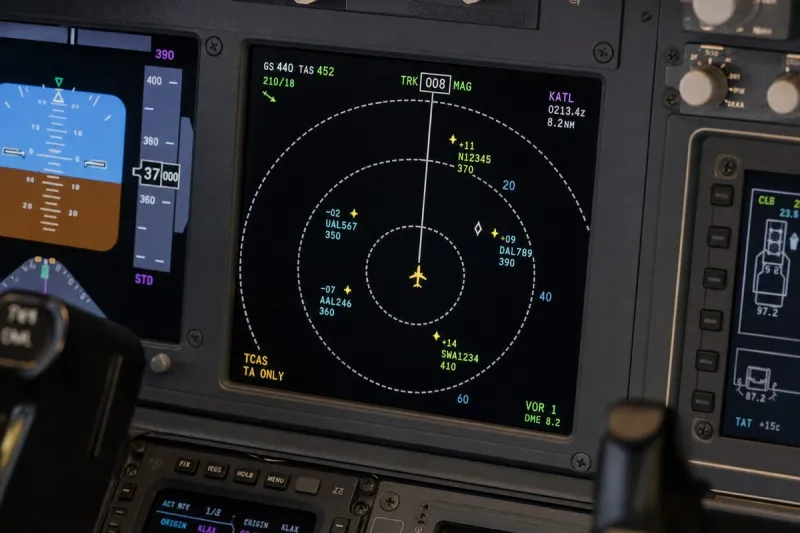
FlySafe has published the framework behind its airspace risk scores. For each Flight Information Region (FIR) in its active set, the service produces a numerical risk index from 0 to 100, a discrete risk level (low, moderate, high or critical), a per-factor breakdown, and a confidence tier reflecting how well the FIR is observed. Outputs cover 24-hour, 7-day and 30-day windows, and threshold crossings are sent as webhooks on supported plans.

Inputs are organised into seven signal classes, each drawing on multiple primary sources and cross-validated where mandates overlap. Ingestion cadence ranges from minutes for telemetry and regulatory feeds to weekly for market signals. FlySafe says it does not ingest classified intelligence, restricted military communications or non-public regulatory deliberations. The weighting, per-FIR thresholds and fusion model are proprietary and continuously refined; only the signal classes and design principles are published.
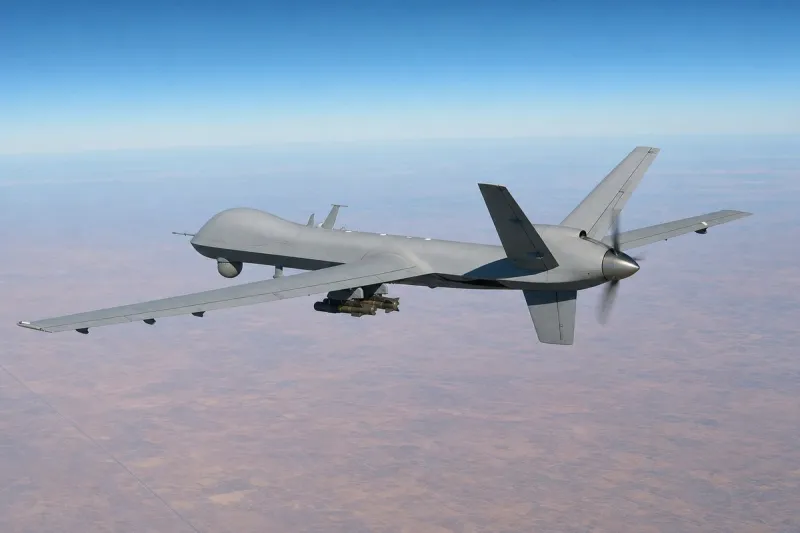
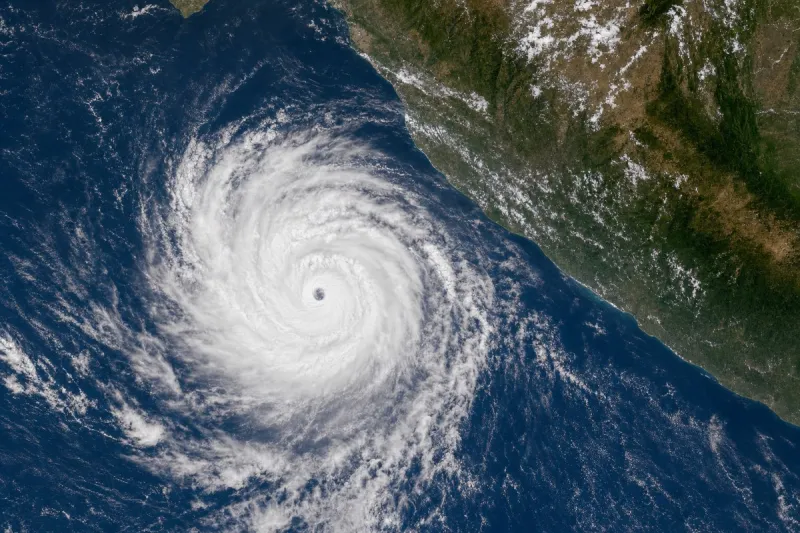
The design treats different disruption types differently, so a closure from an aerial strike, a typhoon ground stop and an air traffic control labour dispute carry distinct operational implications. Each FIR carries a coverage tier based on how observable it is through independent telemetry, and single-source FIRs are flagged at lower confidence rather than scored aggressively. The system is validated against an independently assembled event ground truth of documented airspace closures across conflict, cyclone, volcano, sanctions, ATC action and pandemic categories.
Briefings, reports and airline safety profiles are authored by FlySafe Editorial, the company's editorial function. FlySafe is an independent company founded by Evgeny Padezhnov. Numerical indices are computed automatically, and published briefings pass editorial validation gates and are checked against cited public sources. The indices are raw computational output provided as-is for informational purposes and do not replace official NOTAMs, SIGMETs, AIPs or communications from aviation authorities; each operator remains responsible for its own assessment.