Kuwait Reopens Airspace to International Overflights With FL280 Minimum Altitude; Airline Use Remains Uneven
Why It MattersThe reopening restores a Europe–Gulf–Asia corridor, but split risk assessments between EASA and the FAA keep carrier routing inconsistent and push more traffic onto Saudi and Egyptian alternatives.
Kuwait's aviation authorities reopened the country's airspace to international overflights in October 2026, following operational restrictions and partial closures linked to military conflicts in the Middle East, during which targets near the emirate were also attacked. The reopening restores one of the key air traffic corridors between Europe, the Gulf region and Asia, a route running through Turkey, Iraq, Kuwait, Bahrain and the United Arab Emirates.

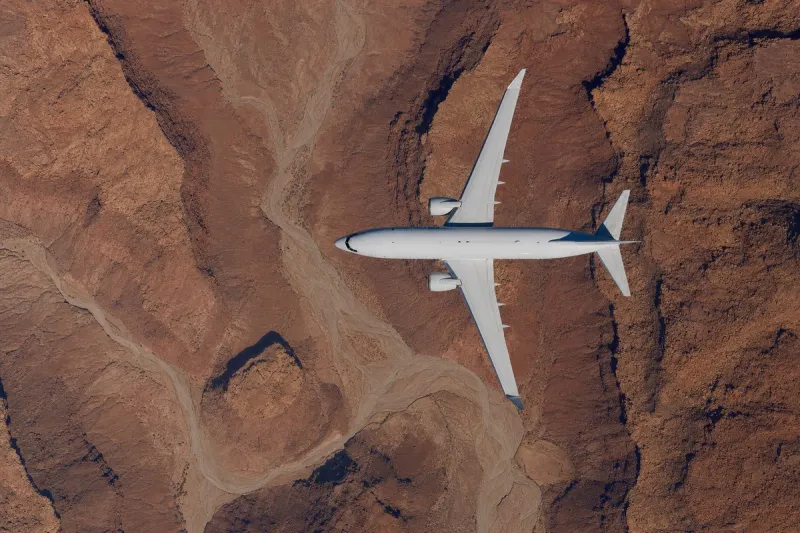
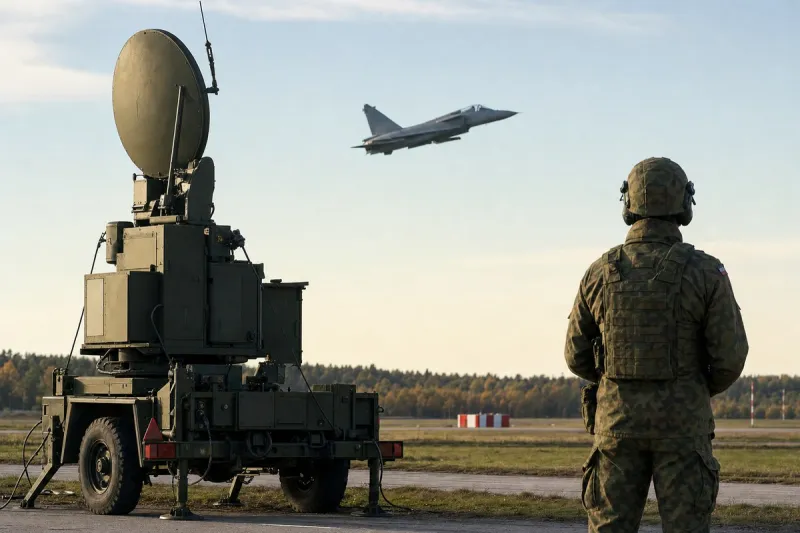
The reopening was issued through an official Notice to Airmen (NOTAM), with a key condition of a minimum altitude of Flight Level 280 (FL280), roughly 8,500 meters above sea level. The restriction is intended to keep civilian transit traffic outside the range of mobile short-range air defense systems and to keep military flight operations in lower airspace separate. The change shortens flight times on some routes between Europe and Persian Gulf hubs by several minutes, requiring airlines to adjust fuel calculations and schedules.
Use of the corridor is inconsistent. Flightradar24 live-tracking data shows Turkish Airlines and Qatar Airways have adjusted their flight paths and are again regularly overflying Kuwait to use the shortest routes between Southeast Europe, Anatolia and the Gulf. Emirates continues to route flights between Western Europe and Dubai around Kuwaiti airspace, preferentially through Saudi Arabian airspace, and European carriers are also showing restraint.
The European Union Aviation Safety Agency (EASA) gradually lowered its general risk warnings for the region in October 2026 but continues to advise civil aircraft operators against using Kuwaiti airspace. For Iraqi airspace, EASA generally recommends that European operators avoid overflying it or use only narrowly defined high-altitude corridors.
Regional conflicts, military exclusion zones and unpredictable threats force airline flight operations departments to reassess routes daily. Avoiding airspace over countries such as Iran, Iraq or parts of the Arabian Gulf means longer routes, higher fuel consumption and capacity constraints on the remaining alternatives via Saudi Arabia and Egypt. As long as authorities such as EASA and the US FAA hold differing risk assessments, routing between Europe and Asia is expected to remain inconsistent, and the network's stability depends on the security situation.