Icarus Jet's Kevin Singh: Private Jets Emit About 0.04% of Global CO₂, Argues Scale Should Shape Climate Debate
Why It MattersThe exchange shows private aviation's social licence resting on emissions and tax-fairness claims, pushing operators toward published reduction targets, open progress reporting and wider SAF use.
In an opinion piece published Oct. 21, 2026, Kevin Singh of Icarus Jet argued that private aviation draws disproportionate climate criticism relative to its share of global emissions, while acknowledging the industry must still improve. He was responding to a Bloomberg Opinion commentary by Mark Gongloff, titled "Private Jets Have a Free-Rider Problem," which questions whether private aviation pays its fair share through taxes and fees. Citing the FAA, Singh noted that airline passengers pay a 7.5% federal ticket tax plus a $5.30 per-segment tax, while the federal tax on general aviation jet fuel is 21.8 cents per gallon. A September 2026 Institute for Policy Studies report, High Flyers 2026, says private jets and charter services account for roughly 16% of FAA-handled flight operations.
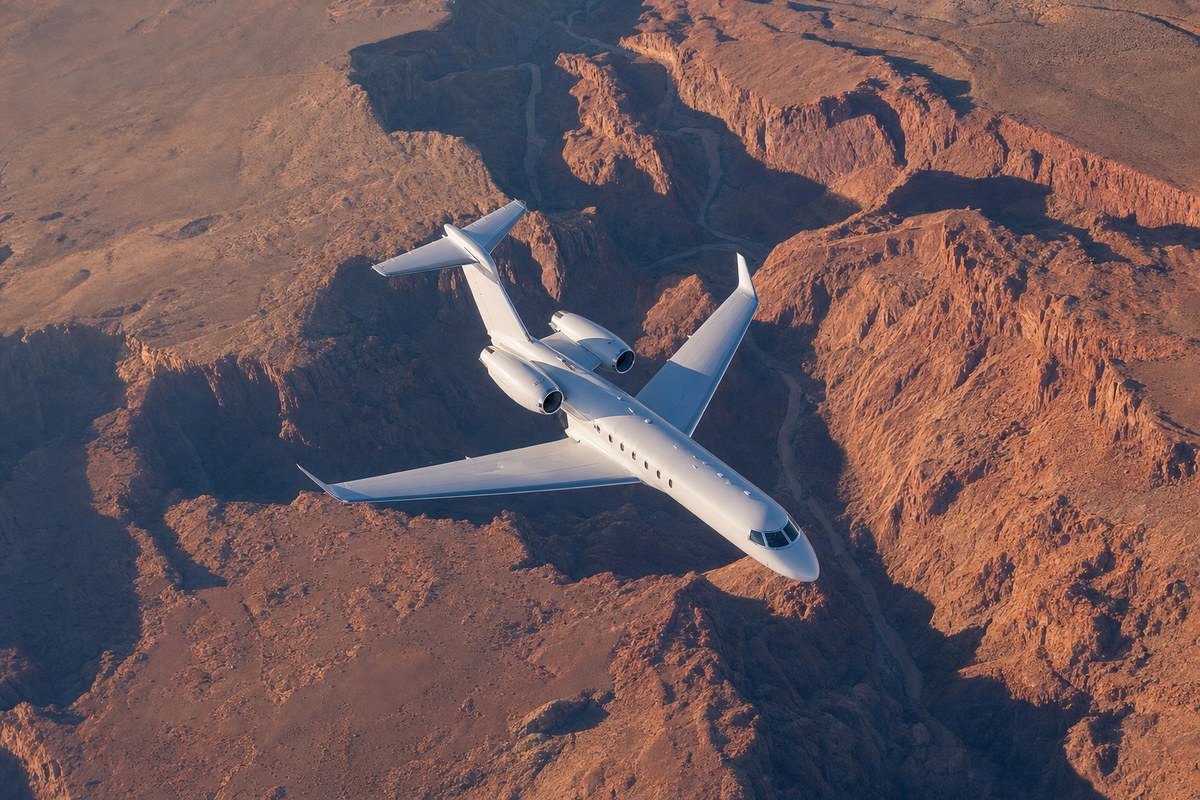
On emissions, Singh cited a study in Communications Earth & Environment reporting that private aviation produced at least 15.6 million metric tons of direct CO₂ in 2023, a 46% increase since 2019. The paper reports that the number of private aircraft grew 28.4% and distance flown 53.5% over the period, and says efficiency gains of around 1.25% per year were likely lower than growth rates. Singh calculated that the 2023 figure equals roughly 1.7% of 2019 commercial aviation CO₂ emissions and about 0.04% of the roughly 37 billion metric tons of fossil CO₂ the Global Carbon Project estimates were emitted worldwide. He said private jets are an easy, visible target, whereas emissions embedded in everyday consumer goods are harder to see.
Singh also pointed to the people and businesses that depend on aviation. A February 2025 PwC study commissioned by GAMA and other general aviation associations found US general aviation supports approximately 1.33 million jobs, generates $339.2 billion in total economic output and contributes $178.1 billion to GDP (2023 data); these figures cover all general aviation, not business aviation alone. He said the industry still has work to do, citing better flight planning, more efficient routing and avoiding unnecessary repositioning flights. In 2021, GAMA, IBAC and NBAA announced a commitment to net-zero CO₂ emissions by 2050, continuing an interim goal of improving fuel efficiency by 2% per year from 2020 to 2030. Singh called for companies to set clear emissions-reduction targets, report openly on progress, and make sustainable aviation fuel (SAF) more practical and affordable. IATA estimated in December 2025 that SAF output would reach 1.9 million tons for the year, double 2024.