IndexBox Projects 3–5% Annual Growth for Global Aviation Mineral Lubricating Oil Market Through 2035, Anchored by Legacy Piston-Engine Fleet
Why It MattersGrowth in this niche rests on an ageing general aviation fleet that cannot use synthetic oils, so demand tracks fleet replacement pace and base oil costs rather than turbine-era trends.
The global Aviation Mineral Lubricating Oil market is projected to expand at a compound annual growth rate of 3–5% over the 2026–2035 forecast period, according to an IndexBox report. Mineral-based oils are a specialized segment of aerospace maintenance, accounting for an estimated 20–30% of total global aviation lubricant volume. Synthetic and semi-synthetic products dominate turbine engine applications, while mineral oils remain important for vintage and trainer aircraft, helicopter piston engines and select military platforms.
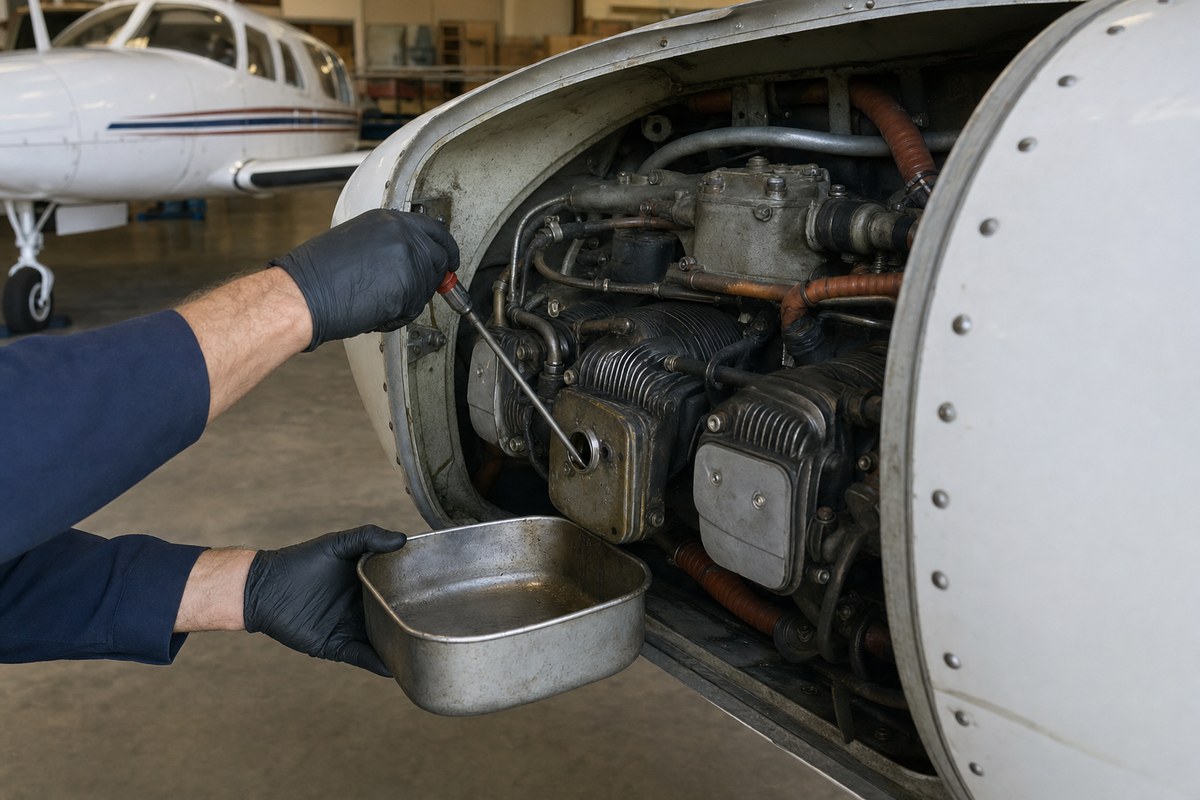
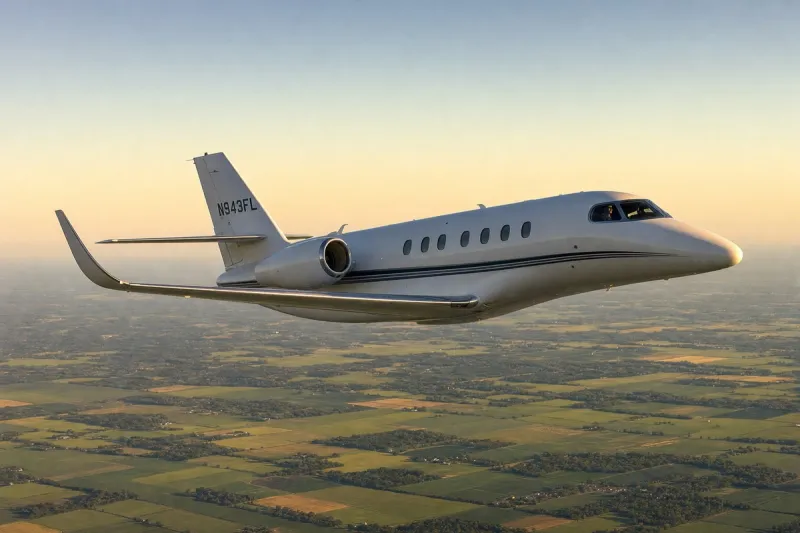
Demand is underpinned by the stable global general aviation fleet, particularly legacy piston-engine aircraft that require mineral-based oils meeting specifications such as SAE J1966 and MIL-PRF-6085. The report estimates that 40–50% of mineral aviation lubricant volume crosses borders, with finished oil exports concentrated in a few blending and refining hubs and import-dependent regions relying on certified distributors.
Headwinds include base oil price volatility that can shift finished lubricant costs by ±15–20% within a single procurement cycle, tighter environmental and toxicological data requirements (including REACH, TSCA and military protocols), the slow replacement of legacy aircraft by models requiring synthetic oils, and competition from synthetic alternatives in newer platforms. Qualification cycles are lengthy and costly, with a limited number of approved vendors.
By end use, general aviation and piston-engine aircraft form the largest segment, with stable volume demand expected through 2035. Military and defense aviation is estimated at a 20% share and expected to remain steady, while helicopter operators (piston and light turbine) are estimated at 15% and expected to grow moderately. Volume growth is expected to be constrained by gradual fleet replacement, while value growth is supported by specification upgrades.