Advanced Air Mobility Networks Hinge on Four-Seat Aircraft, Door-to-Door Time, Turnaround and Seat Occupancy
Why It MattersNetwork viability depends on ground-side factors such as access time, turnaround, charging power and seat occupancy as much as on aircraft speed, so infrastructure readiness may gate scale-up more than aircraft certification.
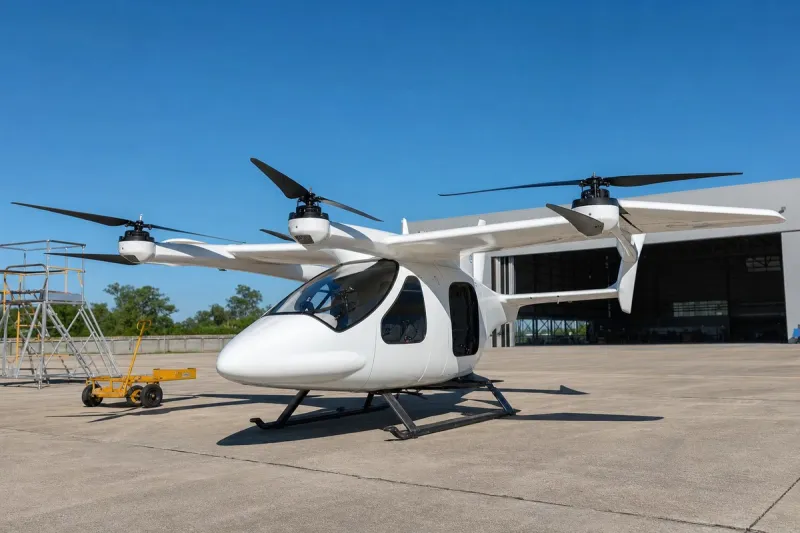
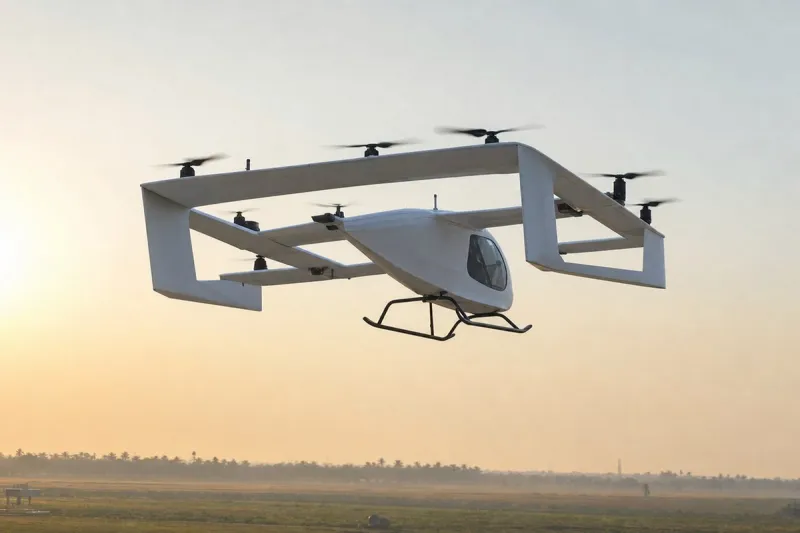
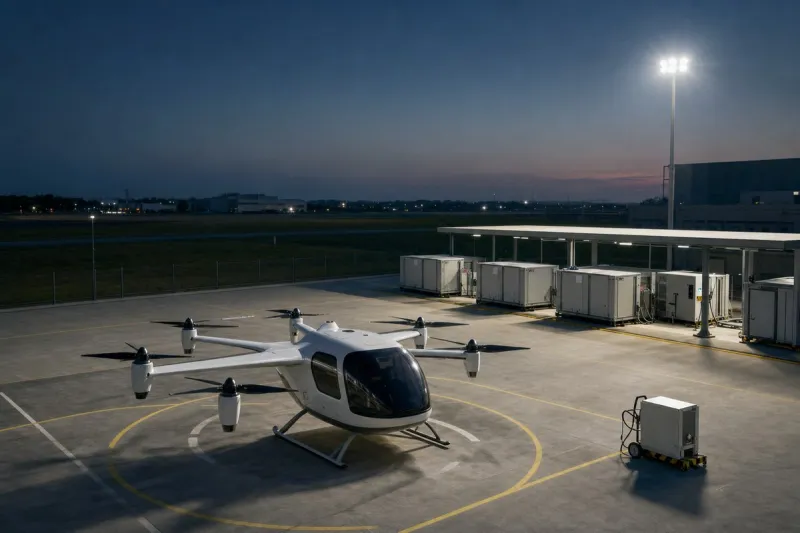
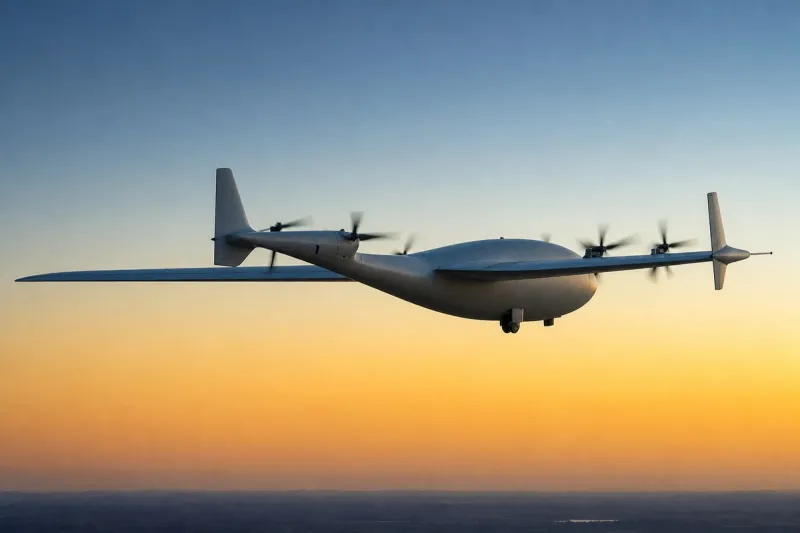
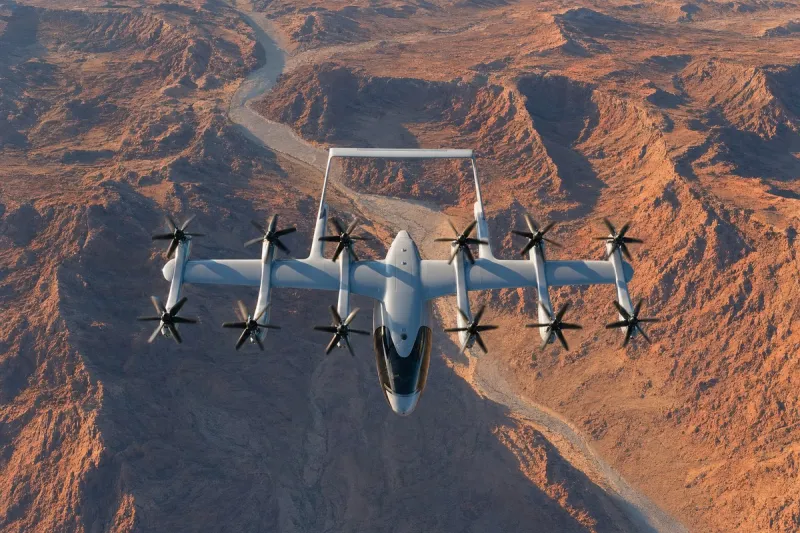
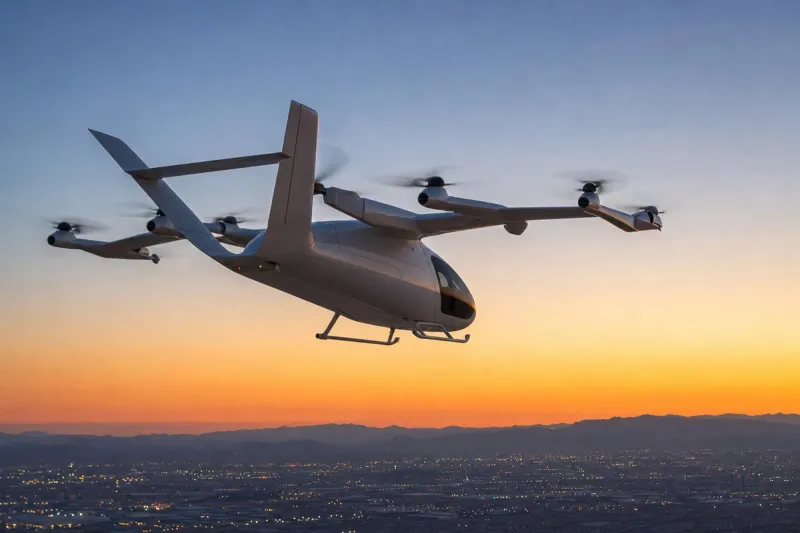
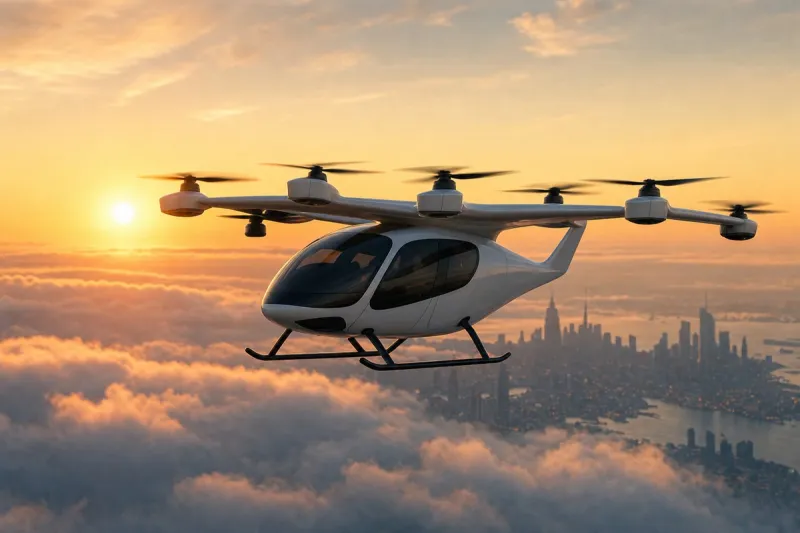
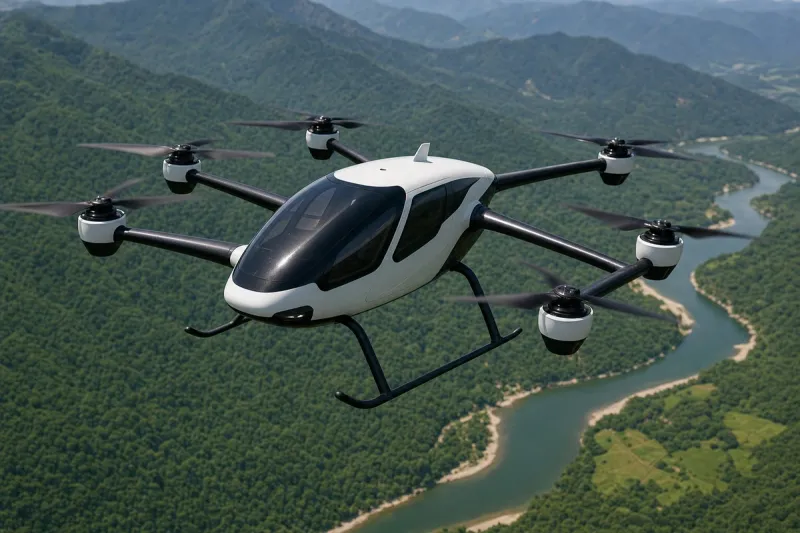
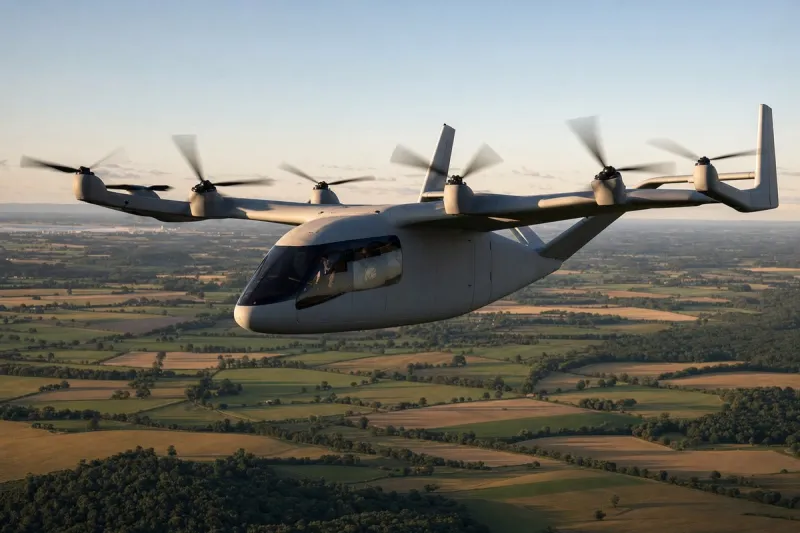
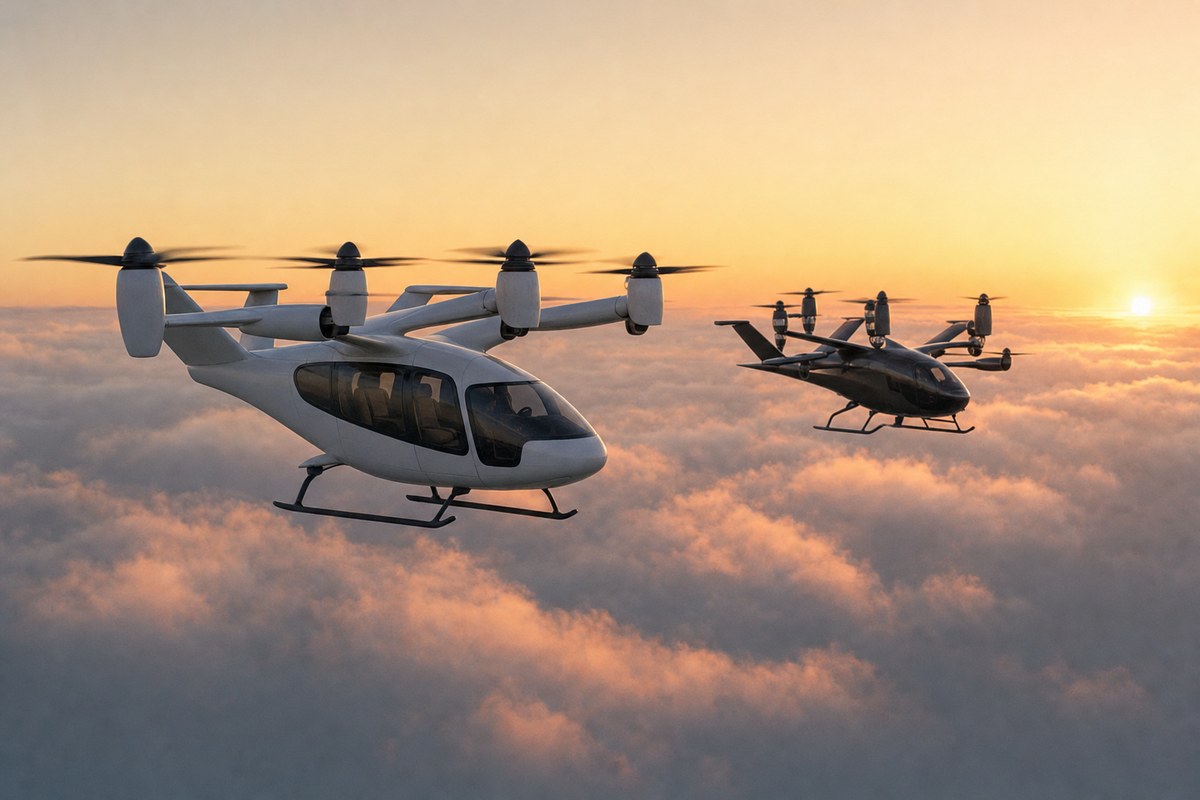
A BizJet Journal analysis published October 25, 2026 sets out the practical numbers behind a useful advanced air mobility network. Joby publishes a pilot-plus-four-passenger configuration with a maximum speed of 200 mph (322 km/h) and six electric tilt-propeller units. Archer's Midnight is a four-passenger aircraft with a published maximum speed of 150 mph (241 km/h), designed for repeated 20–50-mile trips, with twelve propellers of which six tilt for forward flight. With four seats, one empty seat represents 25% of passenger capacity.
In Dubai, Skyports reported technical completion of the vertiport beside Dubai International Airport on April 16, 2026, and announced GCAA certification for eVTOL operations on July 7, 2026. The facility, registered as VDX, is the flagship hub of a planned four-vertiport network. It covers approximately 3,100 m² over four floors with two takeoff and landing areas, and has a design capacity of up to 170,000 passengers and 42,000 aircraft movements a year. The 170,000 figure is design capacity, not traffic carried, and averages about 466 passengers per day.
The article's worked example assumes a 45-minute complete journey (10 minutes ground access, 10 minutes processing and boarding, 12 minutes in the air, 5 minutes arrival and exit, 8 minutes final connection) against a 90-minute road journey, a 50% saving, with the air leg only 27% of the total. If ground connections add 20 minutes, the journey rises to 65 minutes and the saving falls to 25 minutes, or 28%.
On output, a 12-minute air leg plus a 12-minute ground turn gives a 24-minute cycle, or 2.5 legs per hour. Over 10 productive hours, one aircraft completes 25 legs; at a 75% load factor (three passengers per leg) that is 75 passenger-legs, versus 50 at 50% and 100 at 100%. For a 10-aircraft fleet the figures are 500, 750 and 1,000 passenger-legs per day. Charging 40 kWh in 12 minutes implies about 200 kW per aircraft, so three simultaneous sessions need 600 kW plus conversion losses and building demand.
On regulation, the FAA's October 2024 powered-lift rule established pilot and instructor pathways and a 10-year Special Federal Aviation Regulation. The FAA identifies Engineering Brief 105A as guidance for piloted eVTOL aircraft in visual meteorological conditions with a maximum takeoff weight of 12,500 pounds. The article recommends tracking aircraft certification, operator authorization, pilot qualification and site readiness as separate milestones.