ATSB Preliminary Reports on Two Sydney Airport Close Calls: Controller at High Predicted Fatigue Risk in One
Why It MattersRepeated close calls at one major airport, together with Airservices Australia lacking a CASA-approved fatigue management system, put air traffic control staffing and roster design under regulatory scrutiny.
The Australian Transport Safety Bureau (ATSB) has released preliminary reports on two close-call incidents at Sydney Airport in August. They are two of six close-call investigations the bureau has under way at the airport. The reports contain no findings or recommendations; they set out the sequence of events and the conditions at the time.
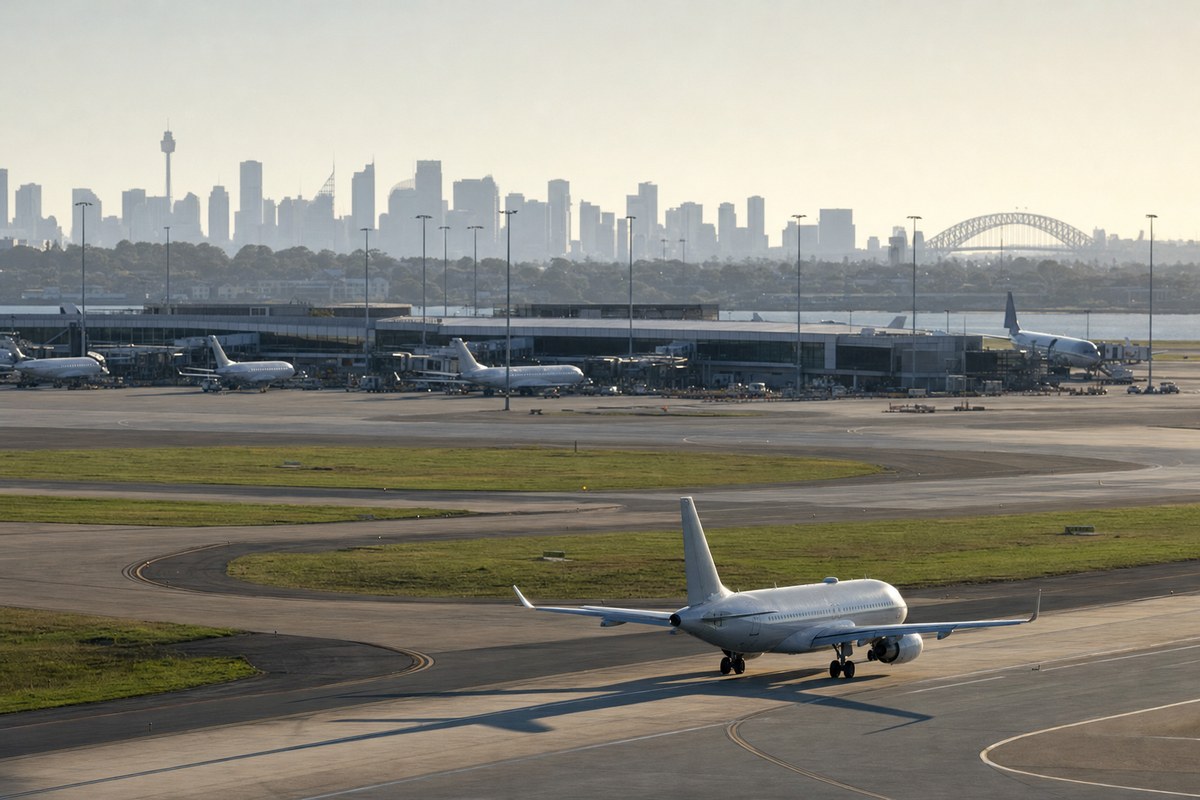
The first incident occurred on August 17. Virgin Australia flight VA1589, diverted from Newcastle because of bad weather, was taxiing to the domestic terminal. At about 9:40am the controller told the crew to follow a Qantas aircraft that was to vacate the runway ahead and to hold short of runway 25. The Virgin captain read back only the hold-short instruction, and the controller did not recognise the incomplete read-back and moved on to other tasks. The crew of Qantas flight QF420 then saw the Virgin aircraft approaching a taxiway intersection at a speed suggesting it would not give way. The controller had been rostered to finish at 8:50pm the previous night and restart at 5:30am, and was the only controller in the tower, with a high predicted fatigue level. The report said predicted fatigue does not mean a controller was necessarily fatigued, only that they were at risk based on their roster. The controller described themselves as "fine and alert" and "fit for duty". The report also noted that Airservices Australia, which provides air traffic control at Sydney, does not have a fatigue management system approved by the Civil Aviation Safety Authority.
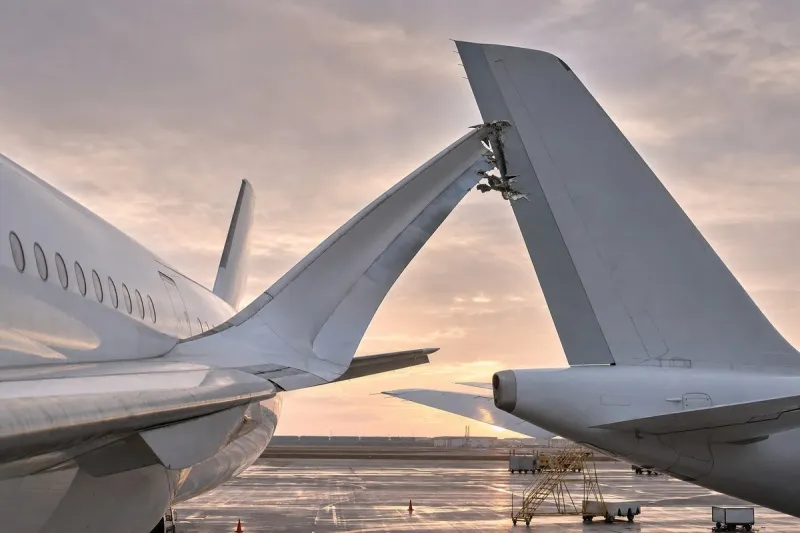
The second incident occurred on August 25. A controller cleared a Jetstar A320, flight JST745, to push back from bay 59 onto a taxiway, then about 30 seconds later cleared a QantasLink Dash 8, flight QLK427D, to taxi along the same taxiway past that bay. The Dash 8 crew saw the A320's tail moving backwards and stopped about 100 metres from the bay. The A320's pushback driver and dispatcher also stopped the pushback and warned the flight crew, and the aircraft was towed back onto its bay so the Dash 8 could pass behind it. Three controllers told the ATSB that pushbacks from some gates were prone to conflicts of this kind.
ATSB Chief Commissioner Angus Mitchell said both incidents were mitigated because flight crews and ground staff identified the conflicts and acted accordingly, but that the bureau's role is to establish why crew actions were necessary to prevent a more serious outcome. He said investigators have not yet determined whether staffing contributed to any of the six incidents or was an underlying condition being effectively managed by Airservices.