FAA Draft Vertiport Standard Sets 15:1 Approach for Powered-Lift Aircraft, but FAA Won't Evaluate Obstructions on It
Why It MattersUniform design formulas for helicopters and powered-lift aircraft would reshape how pads are planned, yet obstruction reviews still use only the steeper helicopter surface, leaving shallower approach slopes without formal federal protection.
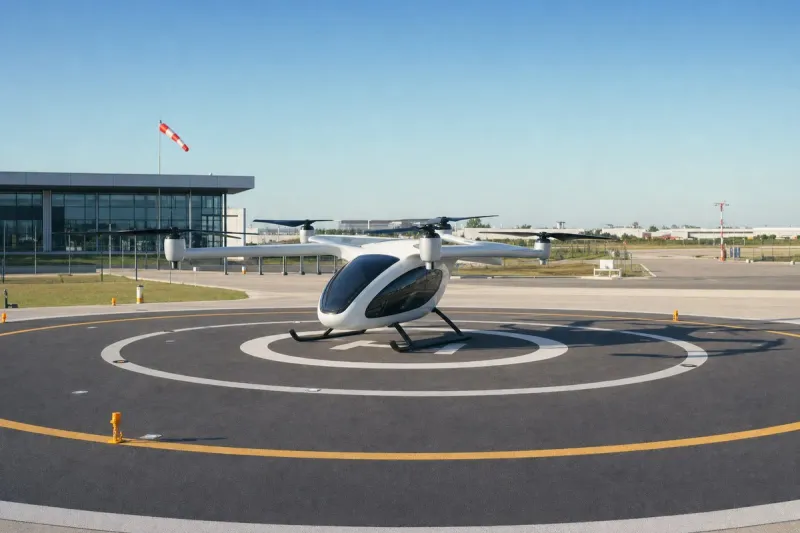
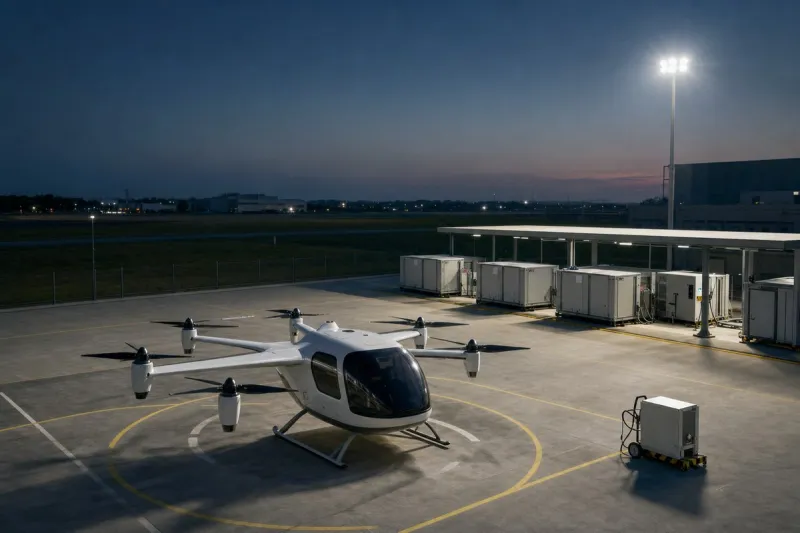
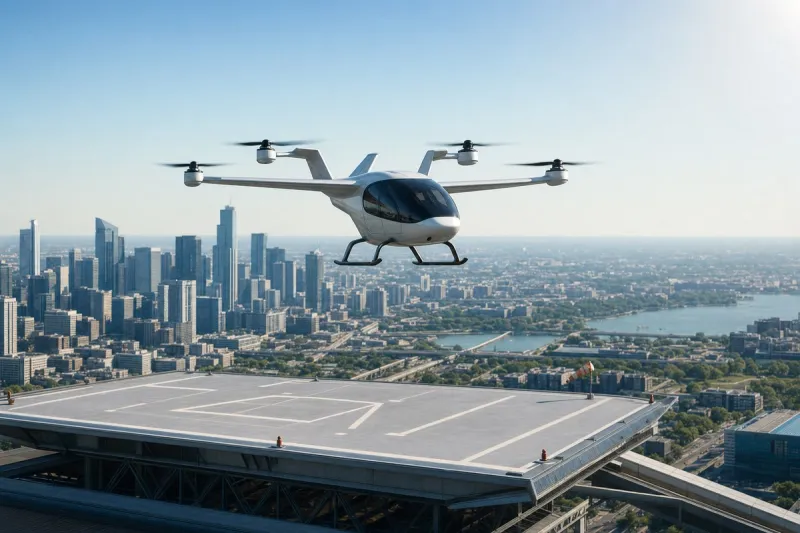
The FAA posted a draft advisory circular on October 22 that merges its heliport design standard and its interim vertiport guidance into a single document, AC 150/5390-4, Vertical Flight Aircraft Infrastructure Design. Once final, it would cancel AC 150/5390-2D, Heliport Design, and Engineering Brief 105A, the interim brief to which air taxi pads such as the Orlando International vertistop were designed. Comments are due January 11, 2027, and the FAA says final standards will follow in summer 2027.
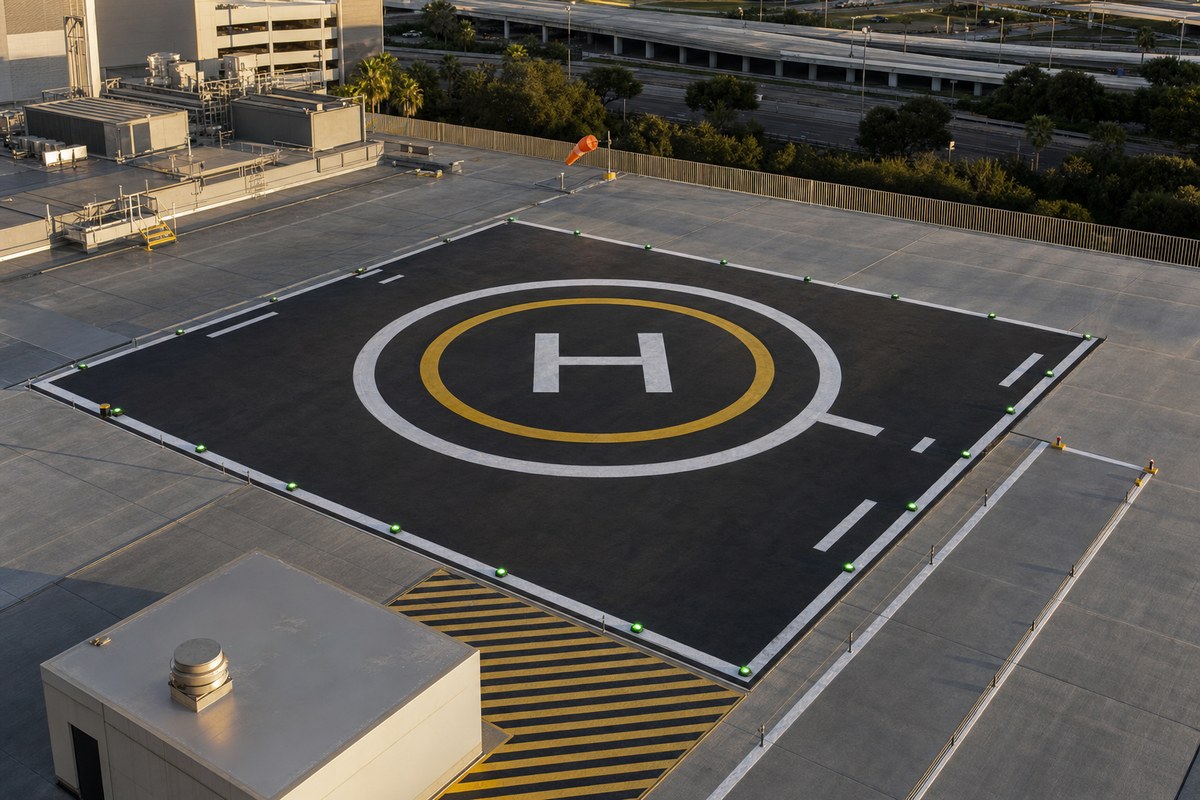
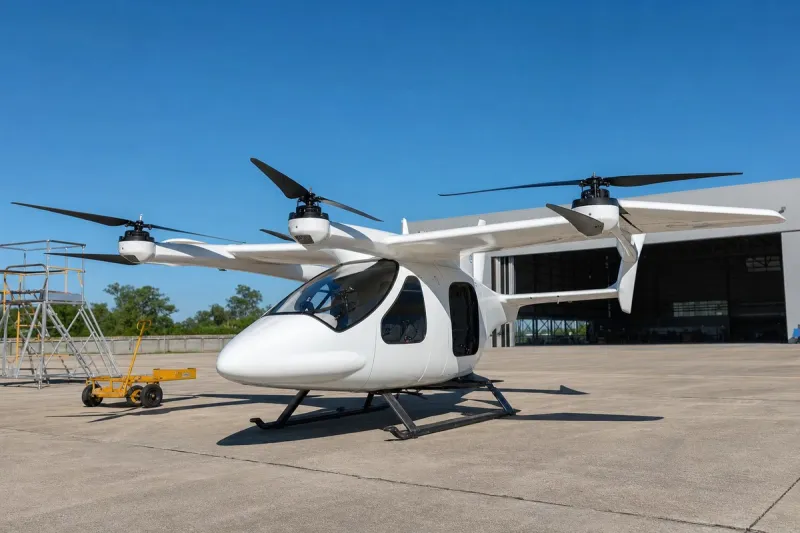
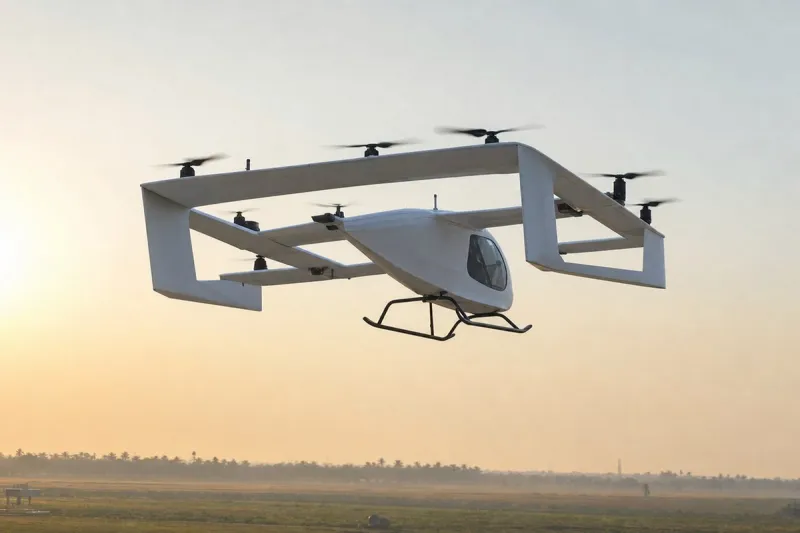
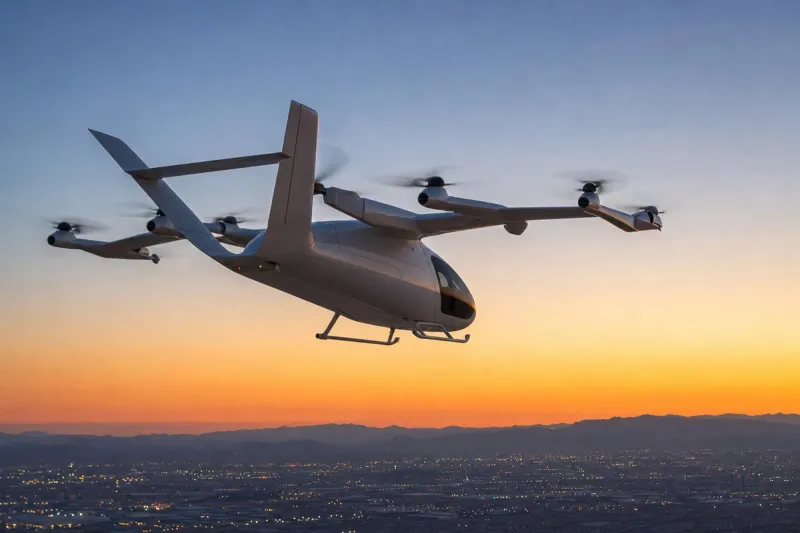
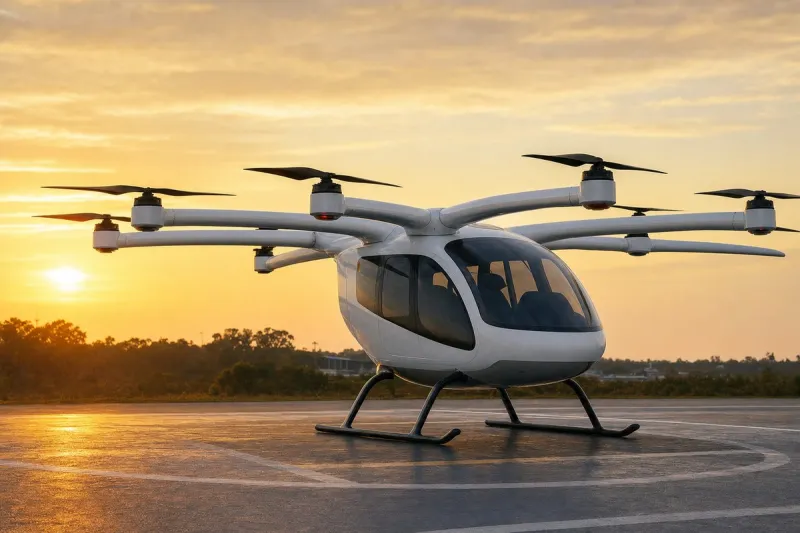
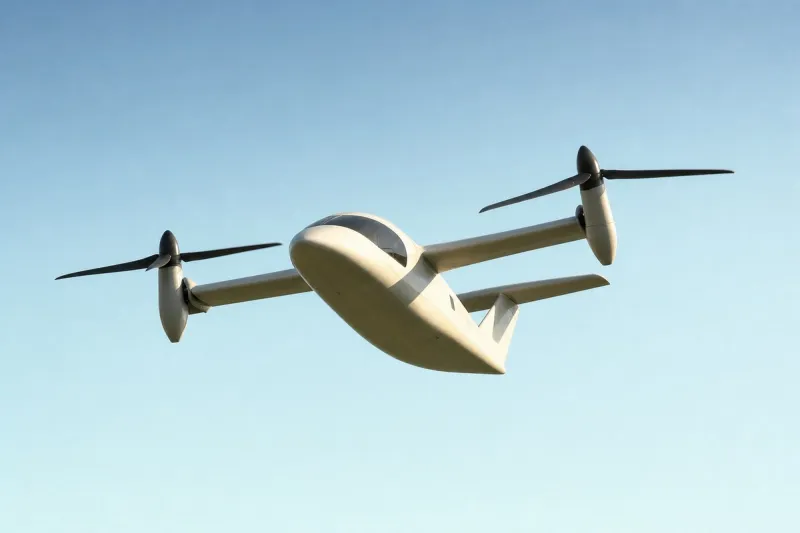
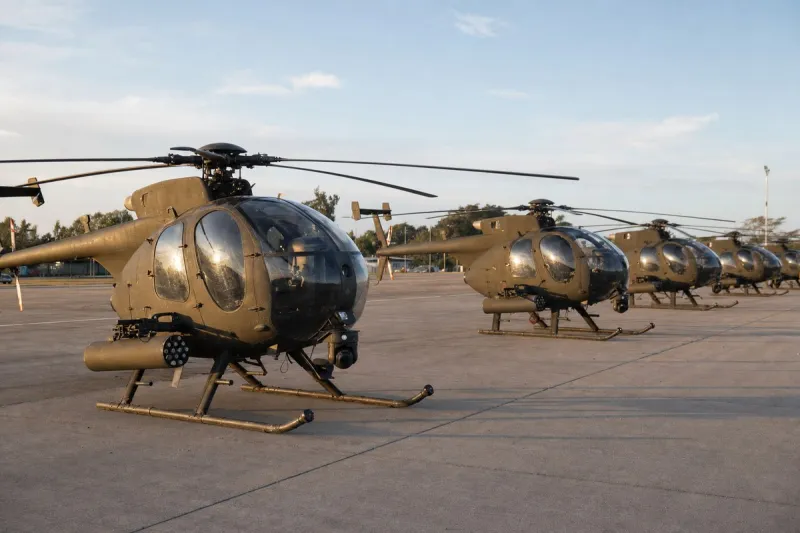
The 140-page draft drops the aircraft limits that EB 105A applied. EB 105A covered only aircraft with three or more battery-powered propulsors, a pilot on board, a maximum takeoff weight of 12,500 pounds (5,670 kg) and a span of 50 feet (15.2 m) or less. The draft applies one set of formulas to helicopters and powered-lift aircraft. It sets the minimum touchdown and liftoff area at the aircraft's rotor diameter plus 10 feet (3 m), and the final approach and takeoff area must be at least 1.5 times the aircraft's overall controlling dimension.
The draft keeps EB 105A's 34.5 mph (55.5 km/h) outwash threshold. For aircraft of 7,000 pounds (3,175 kg) or less, it sets a minimum downwash/outwash caution area of 420 by 780 feet (128 by 238 meters), centered on the pad under each approach and departure path, plus a 210-foot (64 m) radius around the aircraft wherever it taxis. The area can extend past the property line, and keeping bystanders out is named as the primary mitigation. EB 105A had not fixed a size for this area, and AC 150/5390-2D had no such area, so helicopter pads pick it up as well.
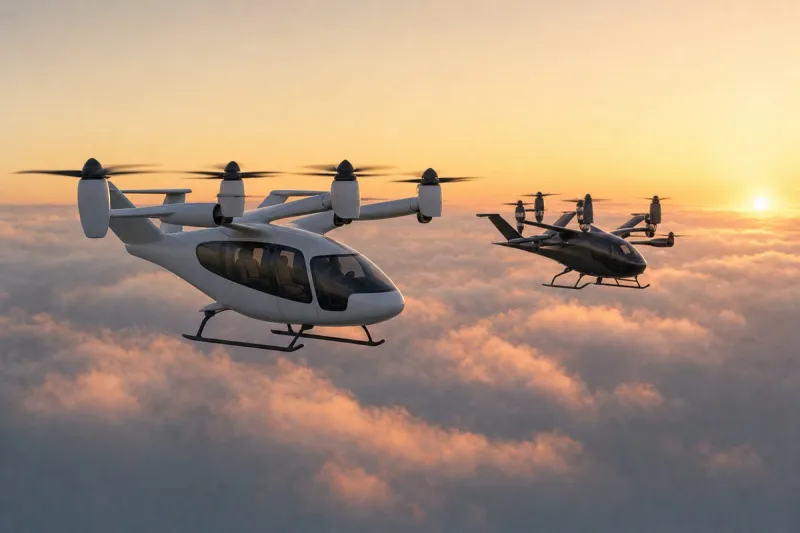
For powered-lift aircraft, the draft sets the approach surface at 15:1 or shallower, about half the climb of a helicopter's 8:1 surface. It keeps 8:1 as the maximum for helicopters and recommends 15:1 or 20:1 so a pad can serve a wider mix of aircraft, asking sponsors to record the shallower slope in the FAA's airport data system. The approach surface runs 4,000 feet (1,219 m) from the pad; at that distance an 8:1 surface sits 500 feet (152 m) above pad elevation and a 15:1 surface about 267 feet (81 m). The FAA checks obstructions only against the 8:1 heliport surface in Part 77.