India's Refiners Chase Used Cooking Oil for Biofuel and SAF as Collectors Scramble to Build Supply
Why It MattersSAF mandates in India, Singapore and South Korea tie aviation fuel demand to a fragmented waste-oil supply chain where little is collected and fraud risk is high.
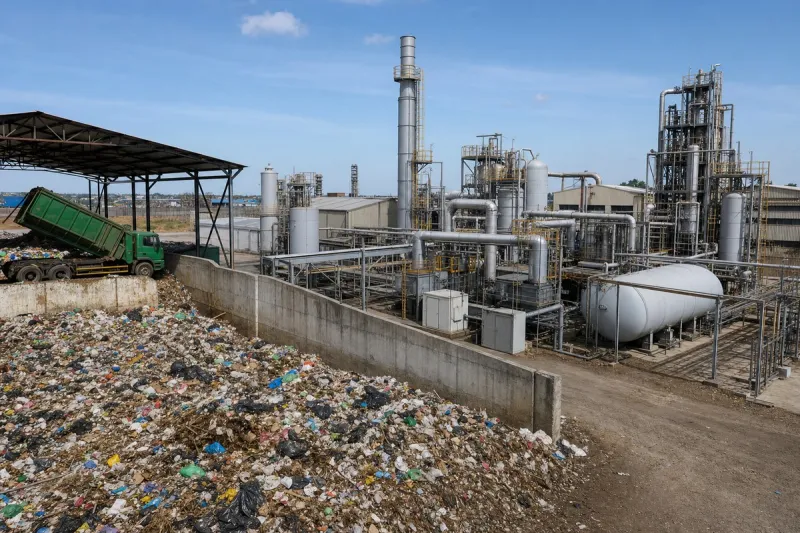
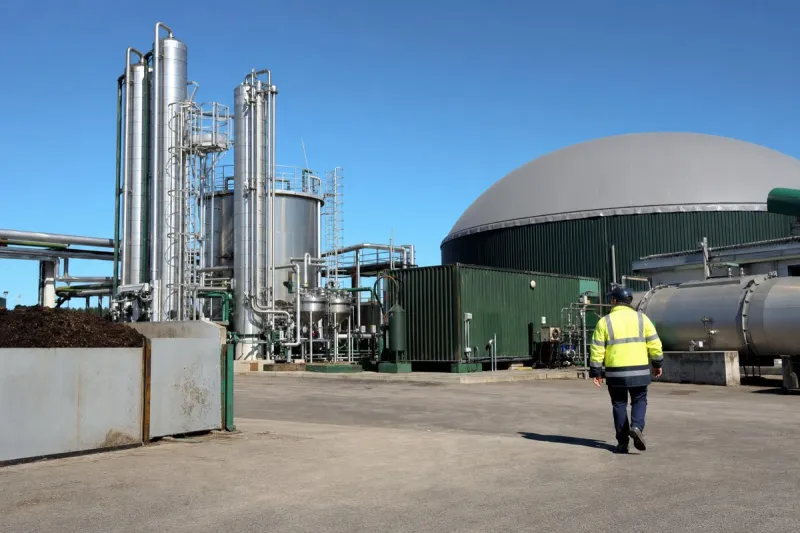
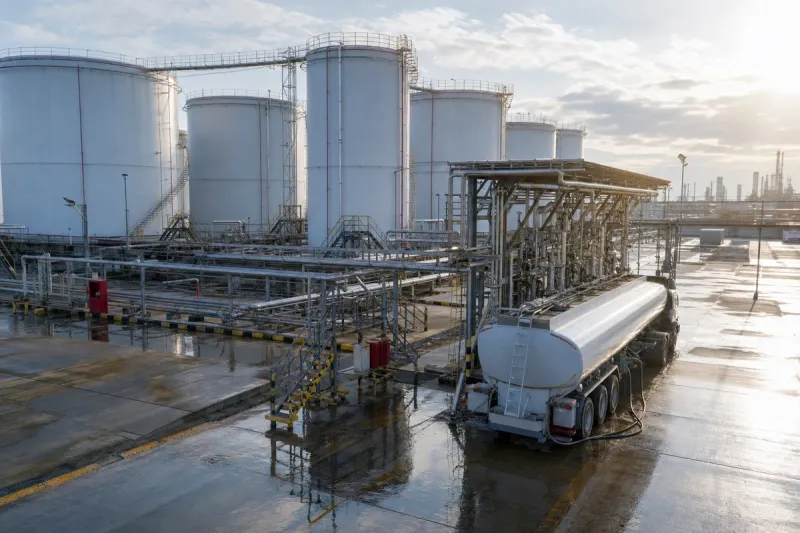
India's drive to fuel more road vehicles and aircraft with domestic feedstock is drawing large refiners into a fragmented used cooking oil (UCO) supply chain. Indian Oil Corp., Hindustan Petroleum Corp. and Bharat Petroleum Corp. want tens of thousands of tons of the material. Hindustan Petroleum and Bharat Petroleum sought a combined 83,000 tons in tenders closing this month, adding to a smaller tender from Indian Oil earlier in the year, according to government-posted documents.
The push is driven by import dependence: India imports about 90% of its crude and has spent a record $125 billion on imports so far this year. The war between the US and Iran disrupted shipments through the Strait of Hormuz and pushed oil prices higher, sharpening the case for domestic fuel sources, according to Sanjay Sah of Deloitte South Asia. From January, international flights leaving India will need fuel containing 1% sustainable aviation fuel (SAF), rising to 5% by 2030, alongside a 5% biodiesel target for road transport. Singapore and South Korea also plan requirements from 2027. Argus Biofuels Analytics expects global SAF demand to rise 600% over a decade to 14 million tons by 2035, and S&P Global puts India's demand alone at 250,000 tons by the end of the decade. SAF made up just 0.6% of total jet fuel used last year, according to the International Air Transport Association.
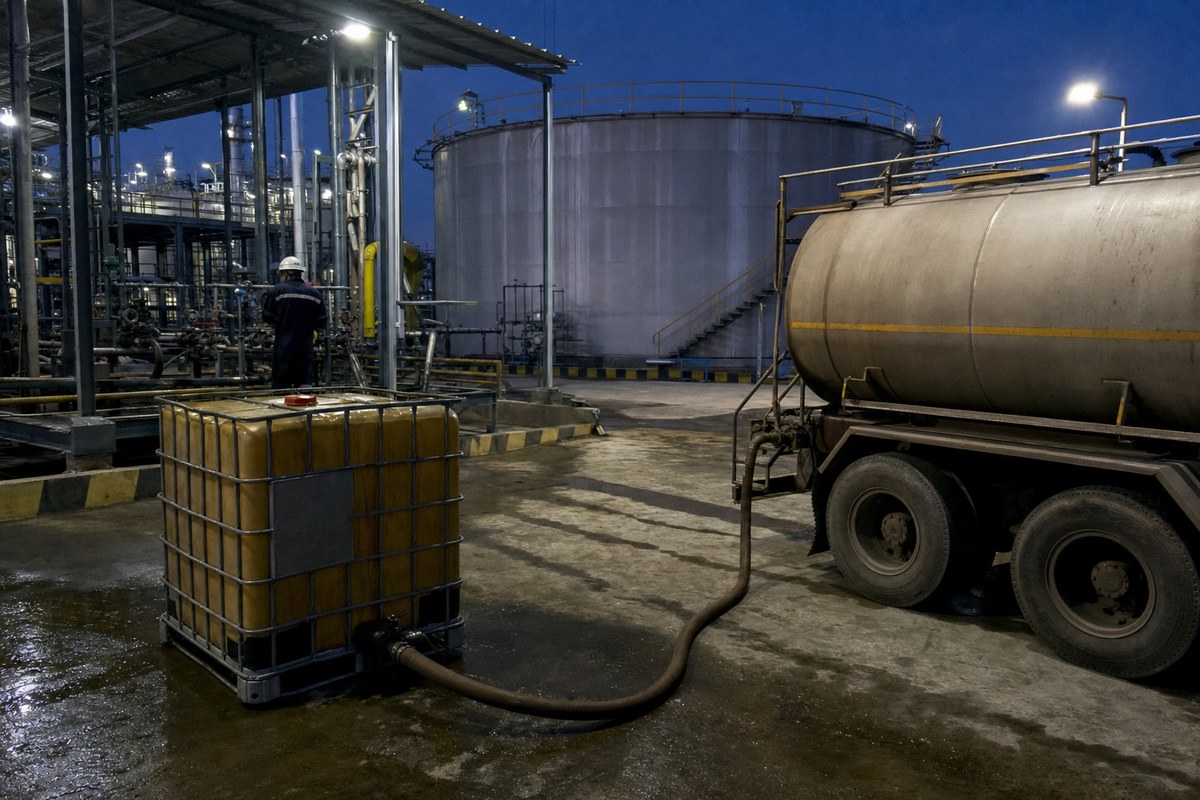
India produces about 3 million tons of used cooking oil a year, but only about 5% is collected, according to India's SAF Association. An estimated 60% re-enters the food chain, which is illegal. Collectors gather oil from restaurant basements, hotel kitchens and food factories, weigh and photograph it, and log it in an app to document that it is genuinely used. Fraud is a concern: before the EU's SAF mandate last year, UCO sometimes fetched more than virgin oil, and European biodiesel groups questioned whether some Asian shipments contained fresh vegetable oil, which Asian producers disputed.
M11 Energy Transition Pvt., one of about a dozen licensed aggregators in India, grew from one collector in 2022 to 300 collectors in 24 cities, gathering about 1,000 tons a month, and plans to double its depots to 50 by the end of this year. Munzer Bharat collects about 900 tons a month across more than 20 Indian cities. Benchmark prices of seaborne Asian UCO have risen about 10% this year after hitting a record in May, according to Argus Media.