Cessna 337 Super Skymaster: Push-Pull Twin Built 1963–1982 Keeps Thrust on the Centerline
Why It MattersThe Skymaster's maintenance burden and low used-market prices show how older piston twins hold a niche between single-engine ownership and conventional multiengine operations.
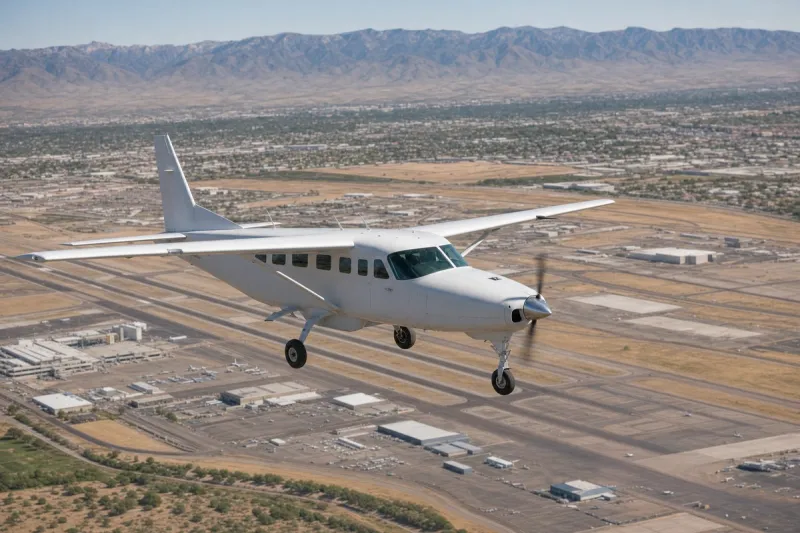
The Cessna 337 Super Skymaster is an American twin-engine civil utility aircraft with a push-pull layout: one engine pulls from the nose and one pushes from behind the cabin. Both engines sit on the fuselage centerline, so losing one engine costs power but does not twist the airplane toward the dead side. More than 2,900 Skymasters of all models were built, including about 500 military O-2 versions, making it the most commercially successful push-pull aircraft ever sold.
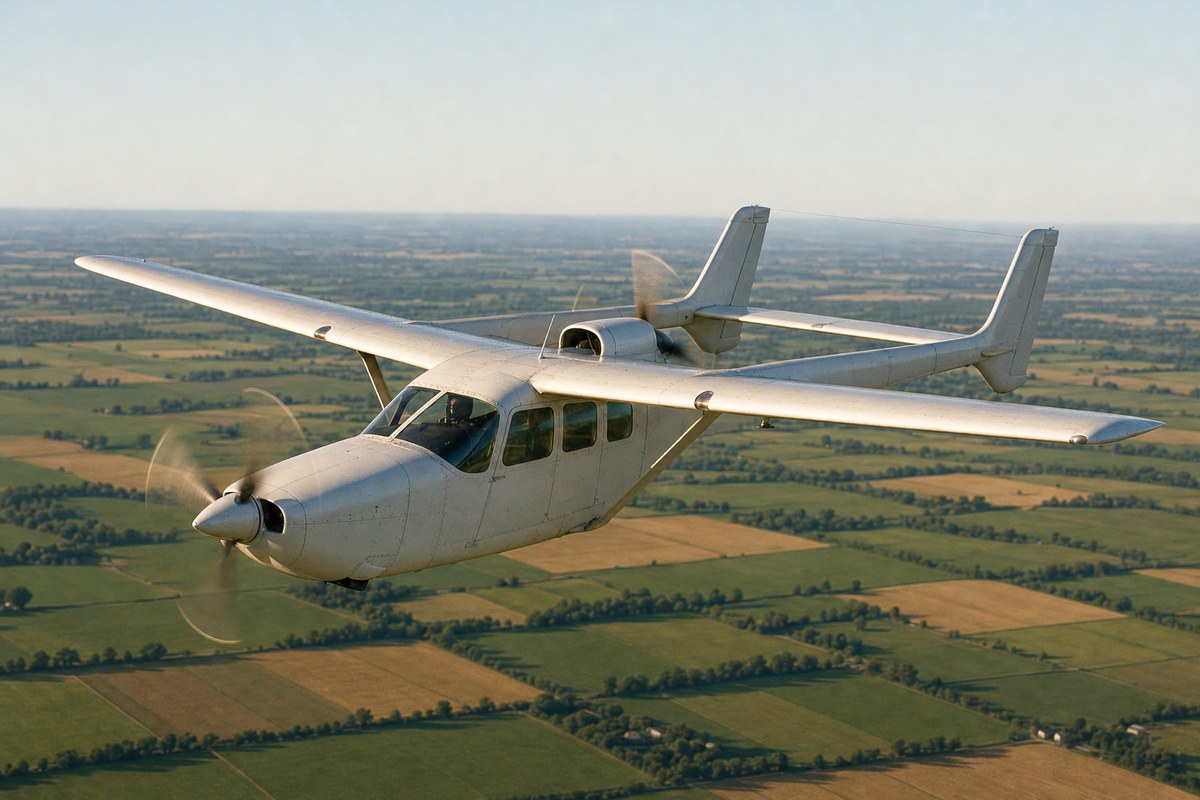
The design began with the Model 336, which first flew on February 28, 1961, with fixed landing gear; about 195 were built in 1963 and 1964. The 337 arrived in February 1965 with retractable gear, 210 hp Continental IO-360 engines and a dorsal air scoop feeding the rear engine. A turbocharged T337 followed in 1966 and the pressurized P337G in 1973. US production ended in 1982, with roughly 2,993 Skymasters of all types built, about 513 of them military O-2s, according to Jane's. Reims Aviation in France built the F337 series from 1970 to 1978 and later the FTB337 short-field version.
Because of the centerline layout, pilots need a separate centerline thrust rating rather than a standard multiengine rating, and insurers often require around 15 hours of dual instruction before solo flight. Single-engine climb is modest, typically a few hundred feet per minute and best on the rear engine with the gear up; leaving the gear down costs more than 100 feet per minute. A single-engine takeoff is prohibited, and FAA Airworthiness Directive 77-08-05 requires a placard reading "Do not initiate single engine takeoff."
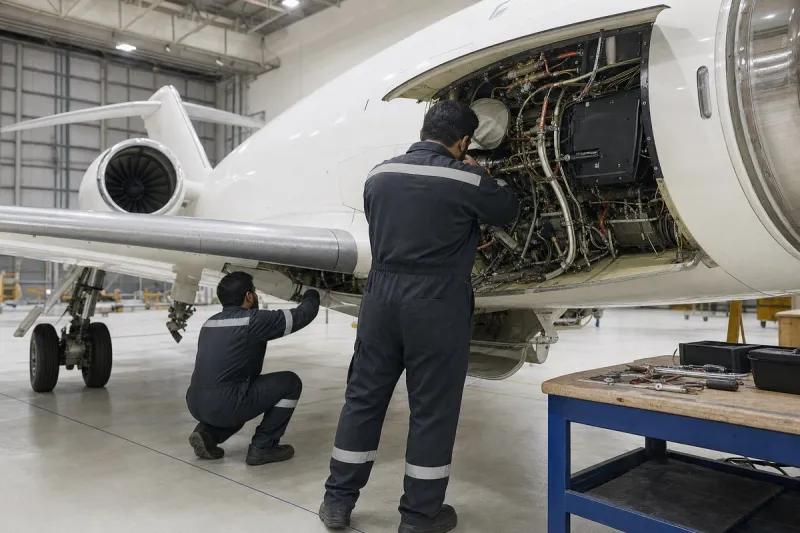
The Skymaster has a reputation as a maintenance burden, though AVweb says it is not entirely deserved. Systems are packed tightly into the fuselage, making access slow and labor expensive. Owners commonly report oil leaks around the rear engine, a weak 30-amp charging system and hydraulic leaks. Early models had a complicated multi-tank fuel system and a gear hydraulic setup that Cessna revised in 1973, and many accidents trace back to fuel mismanagement. Rear-engine overheating is a common worry on hot days but can usually be managed with cowl flaps and mixture.
Used Skymasters commonly sell for under $100,000: neglected airframes at $20,000 to $40,000 and well-kept ones with updated avionics above $100,000. Owners report parts and labor averaging several thousand dollars a year, one mechanic estimating an annual inspection under $4,000, and insurance around $2,000 a year on a mid-value hull. Buyers are advised to check wing spar inspections, which fall due on a fixed schedule at high airframe hours and can in the worst case require spar replacement. The P337G and P337H are pressurized and limited to five occupants.