Singapore Airlines Signs Deal for Up to 4,800 Tonnes of Waste-Gas-Based Sustainable Aviation Fuel from Aether Beacon
Why It MattersA binding offtake from a major airline for a non-lipid SAF pathway signals demand for production routes that avoid the constrained feedstocks limiting conventional SAF supply.
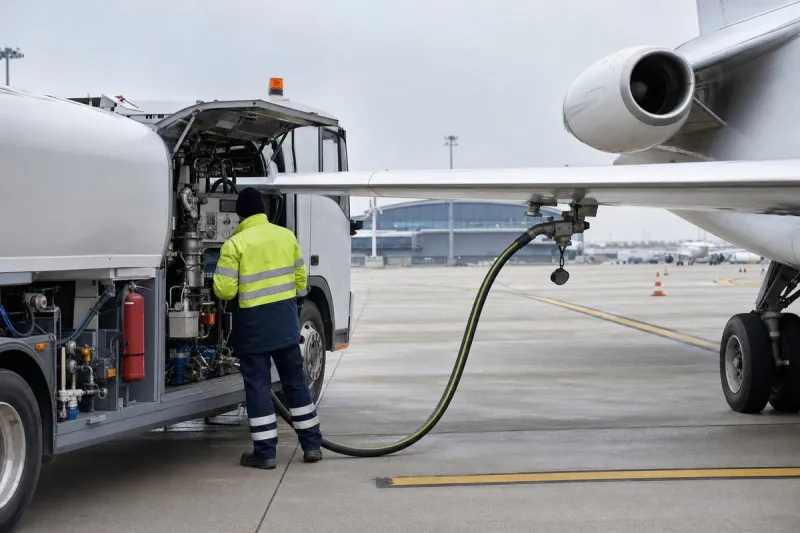
Singapore Airlines (SIA) announced on Wednesday (Oct 28) that it has signed an agreement to purchase up to 4,800 tonnes of next-generation sustainable aviation fuel (SAF) from Aether Beacon over three years, as part of its effort to reach net zero carbon emissions by 2050. Deliveries will begin in 2028, SIA and Aether Fuels said in a joint release.
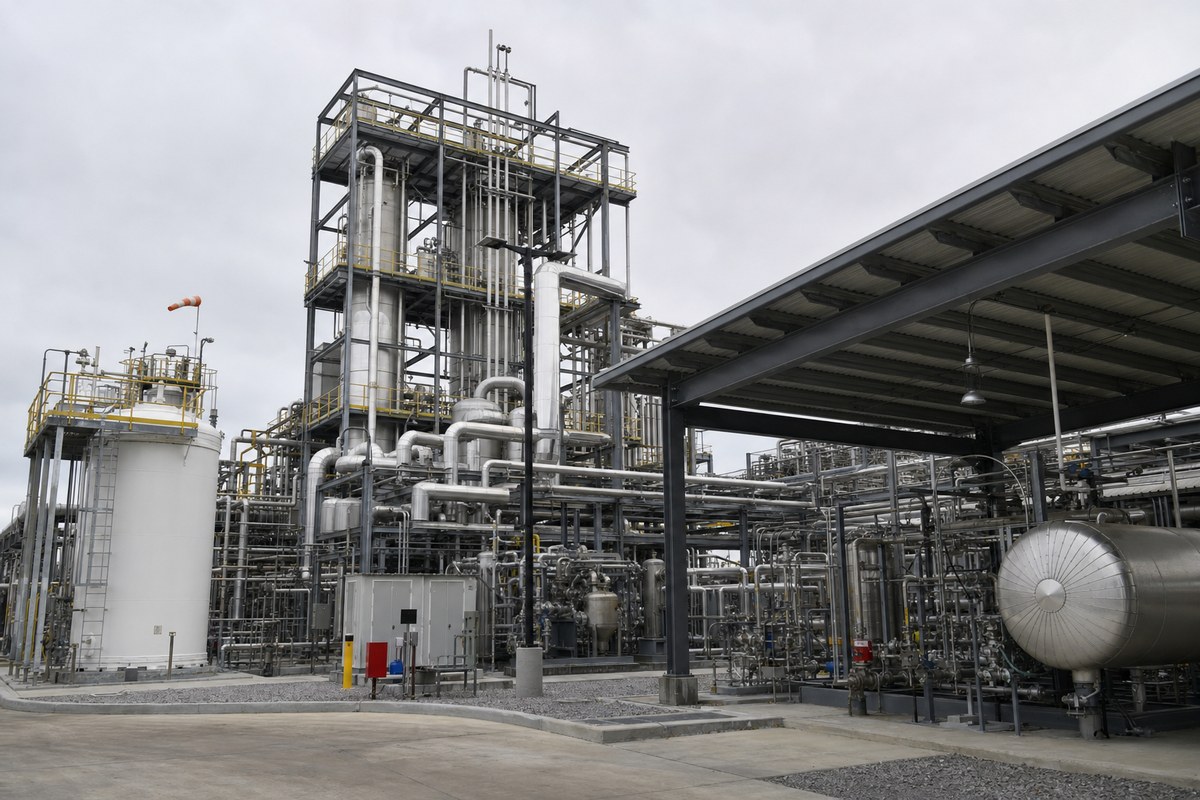
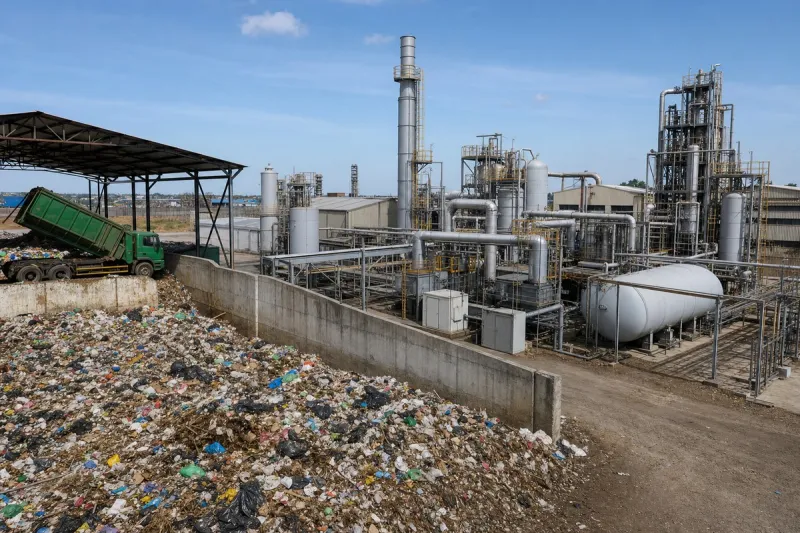
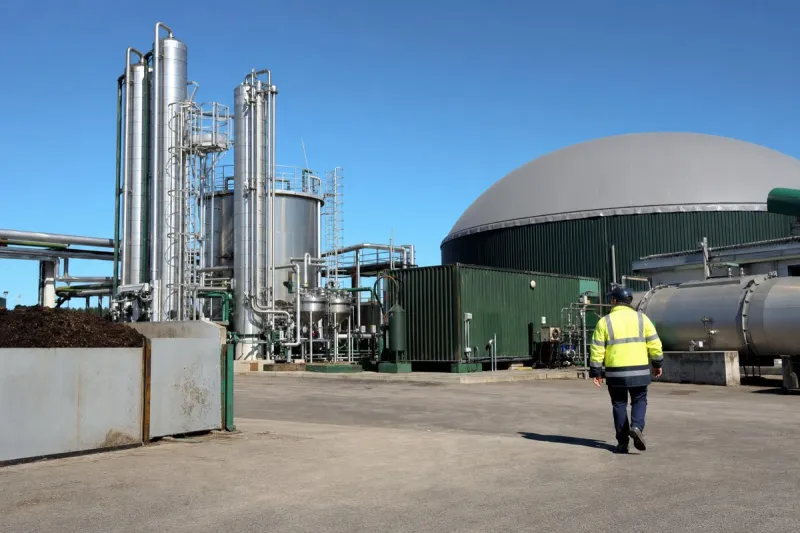
The fuel will be produced using new technology that converts waste carbon feedstocks, such as biomethane and industrial waste gases, into aviation fuel. The companies said this offers an alternative to the hydroprocessed esters and fatty acids pathway, which relies on more constrained lipid-based feedstocks. Aether Fuels said in November that the method reduces greenhouse gas emissions by more than 70 per cent compared with conventional jet fuel.
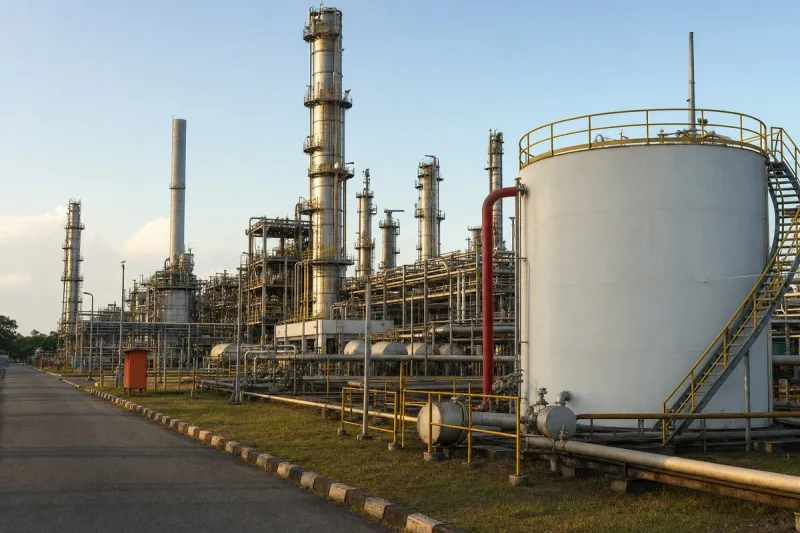
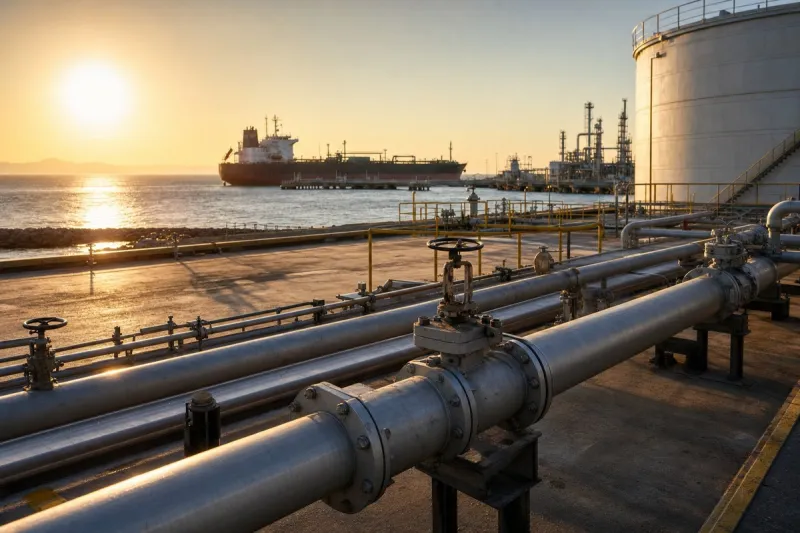
The fuel will come from Project Beacon, Aether Fuels' commercial production facility being developed in Pulau Bukom. SIA is the first airline to buy SAF from the facility, and this is its first purchase of SAF made with this technology. Aether Fuels and energy and chemical solutions provider Aster announced the project last November, saying the facility would produce up to 2,000 tons of fuel per year, with commercial operations starting in 2028. Aether Fuels intends to start up its first large-scale commercial plant by 2031, with production capacity at least 10 times greater than Beacon.
SIA chief sustainability officer Lee Wen Fen said supporting SAF development and securing future supplies are integral to SIA's net zero ambition, and that the purchase shows demand for new lower-carbon fuel production pathways in Singapore. Aether Fuels CEO and co-founder Conor Madigan called the binding agreement a strong signal of committed demand from a leading global airline.
SIA and its budget subsidiary Scoot are targeting SAF for 5 per cent of their total fuel requirements by 2030, a goal subject to global developments in the availability and adoption of such fuel. In 2024, both airlines said they would purchase 1,000 tonnes of SAF produced by Neste in Singapore.