MRO Europe Panel: Longer Component Repair Lead Times and Persistent Supply Disruption Push Airlines to Rethink Procurement
Why It MattersLonger repair cycles and a thinner supplier base are shifting aftermarket competition from price toward supply security, favouring suppliers that offer reliable commitments, alternative parts and long-term agreements.
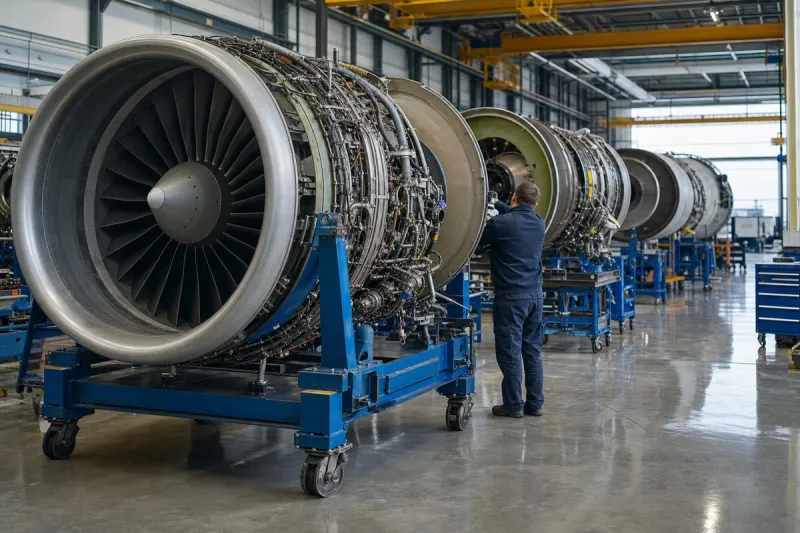
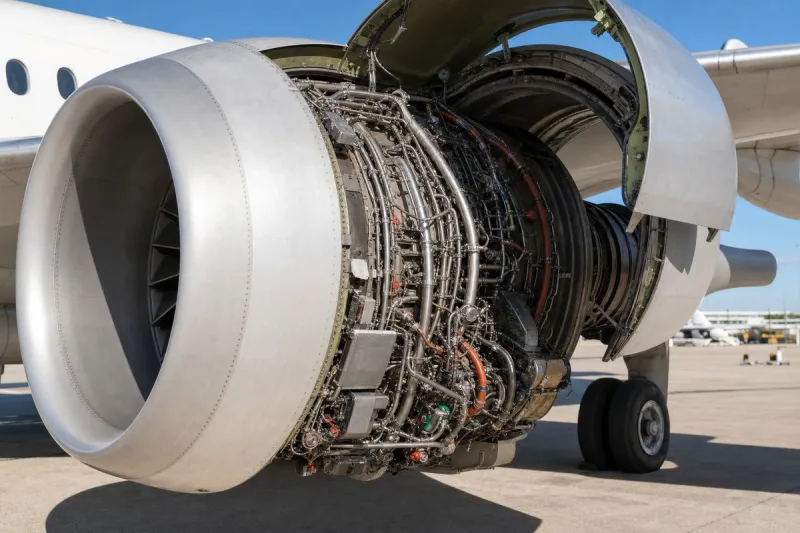
At MRO Europe in Amsterdam, panelists said longer repair lead times, supplier instability and persistent disruption are forcing airlines and aftermarket providers to rethink procurement, inventory and logistics. Aircraft component repair lead times have stretched from 30-40 days to as much as 60-70 days since the COVID-19 crisis, raising inventory requirements and adding pressure on airline cash flow.
Ismail Kiyar of Turkish Technic said operators must now hold more stock even though their fleets are the same size, tying up working capital. He said suppliers need to give more reliable delivery commitments and earlier warnings of disruption, and that procurement teams agreeing longer-term contracts should look beyond price and delivery times to suppliers' technician numbers, backlogs and access to materials and consumables. Martin Mayer of DHL said supply chain disruption has become a persistent feature of the market rather than a temporary consequence of the pandemic, and noted that some original equipment manufacturers introduced surcharges, making it harder for customers to understand the underlying cost of parts. Rick Polhamus of BAE Systems said the loss of smaller suppliers during the pandemic is another challenge, because replacing them requires time to qualify new sources and complete testing; he called for engineering and procurement teams to plan fleet requirements and maintenance campaigns together over a three-to-five-year horizon.
Indy Obhi of DP World said logistics has become more central to procurement decisions, with critical components possibly positioned closer to where they are needed. Binoj Sabastian of Lufthansa said airlines need better visibility beyond their direct suppliers, and that for aging fleets used serviceable material, parts manufacturer approval parts and alternative repairs are important ways to relieve bottlenecks. Panelists expected volatility to persist over the next 12 months and said artificial intelligence tools could help integrate activities, although implementation and testing remain ahead.