Citation CJ Maintenance Runs on Continuous Inspection Programs, With Doc Numbers and Intervals Differing Across CJ1 to CJ4
Why It MattersBecause inspection programs differ by CJ model and engines are tracked separately, buyers and operators cannot compare maintenance status by Doc number alone, which complicates pre-purchase evaluation and resale of light jets.
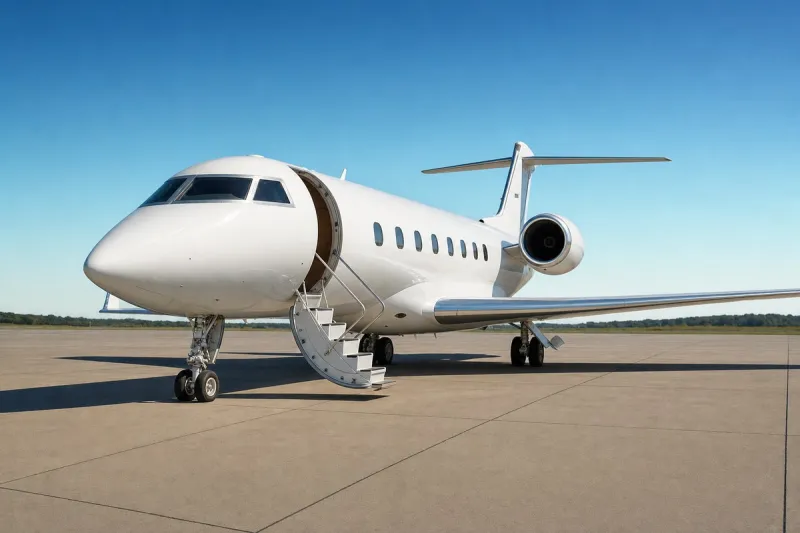
Maintenance on the Citation CJ series is organized around a continuous inspection program rather than a single annual inspection, Elliott Aviation says. Individual requirements may be triggered by flight hours, calendar time, landings, or component-specific limitations, and turbine aircraft also carry an airworthiness limitations section with mandatory inspections and part-replacement limits.
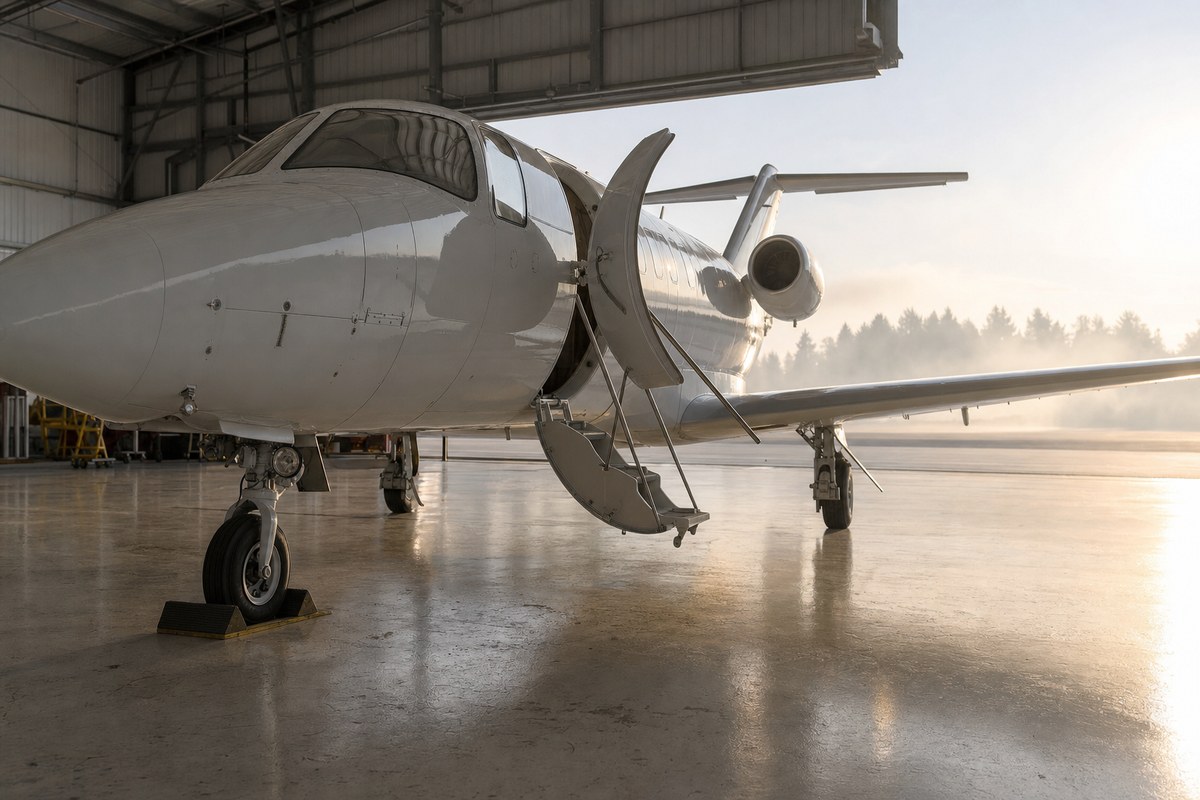
Inspection Document (Doc) numbers are not universal across the series. The 525, 525A, 525B, and 525C each have their own applicable maintenance programs, so a Doc number on a CJ1 does not necessarily identify the same work on a CJ3 or CJ4. The CJ4 program is built primarily around calendar periods and flight-hour intervals divisible by 400 hours. On the CJ1, some requirements fall due at 300 hours, while others come due at 12, 24, or 36 months. The schedule includes a 300-hour Doc 1, a 300-hour/24-month Doc 8 airframe inspection, and the Doc 10 Complete Inspection at 1,200 hours or 36 months. The CJ2 and CJ2+ also use Doc 10 as a Complete Inspection at 1,200 hours/36 months. On the CJ3, Doc 1 is also a 300-hour inspection, but the 1,200-hour/36-month Airframe Inspection is Doc 22. Its pitot-static-related inspection is Doc 18 at 24 months, whereas on the CJ1 that requirement appears as Doc 13.
Higher-time structural inspections add further requirements as aircraft accumulate hours and landings, covering items such as cabin and fuselage skins, pressure bulkheads, doors and window structure, engine-mount structure, spars and empennage components. On the CJ/CJ1/CJ1+, cabin-skin NDT appears at 1,200 hours, with additional structural requirements at 6,000 and 7,200 hours and beyond, some differing by serial number. On the CJ3/CJ3+, structural requirements begin by 1,500 hours, with further inspections at 2,000, 2,500, 3,000 and 5,000 hours and beyond.
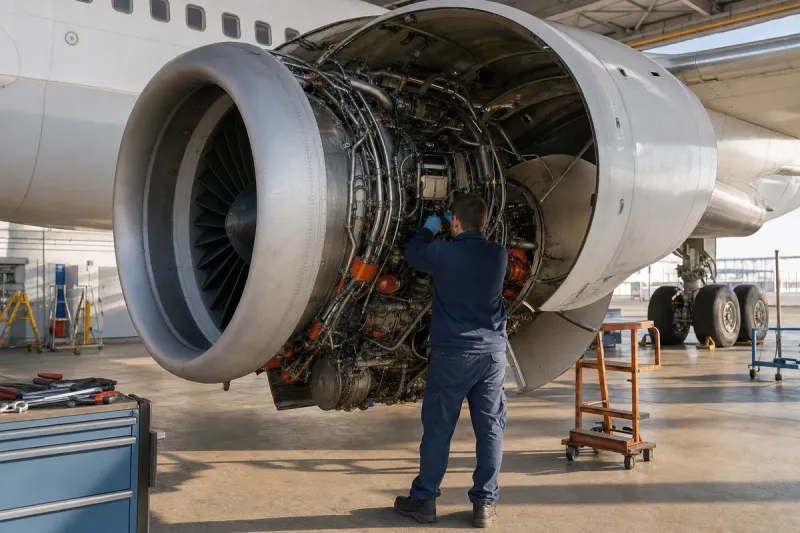
Landings also drive some requirements: both the CJ1 and CJ3 schedules include a nose landing gear inspection at 5,000 landings, followed by inspections every 1,000 landings thereafter. The Williams FJ44 engines have their own inspection requirements, tracked independently of the airframe Docs, so completing a major airframe inspection does not reset the engines' maintenance clock. Elliott Aviation concludes that what was accomplished, what is due next, and where the aircraft sits in its overall maintenance program give a better picture than saying an aircraft is "fresh from inspection."