FAA Official Says Commercial eVTOL Flights Before Type Certification Would Be 'Very Limited'
Why It MattersRegulators are signalling that the pilot program will not be a shortcut to early commercial service, putting pressure on manufacturers' 2026 launch timelines for passenger eVTOL operations.
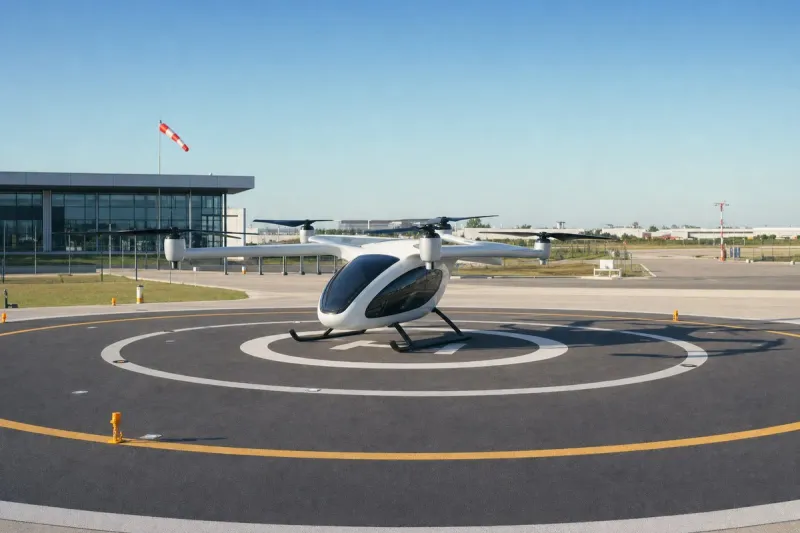
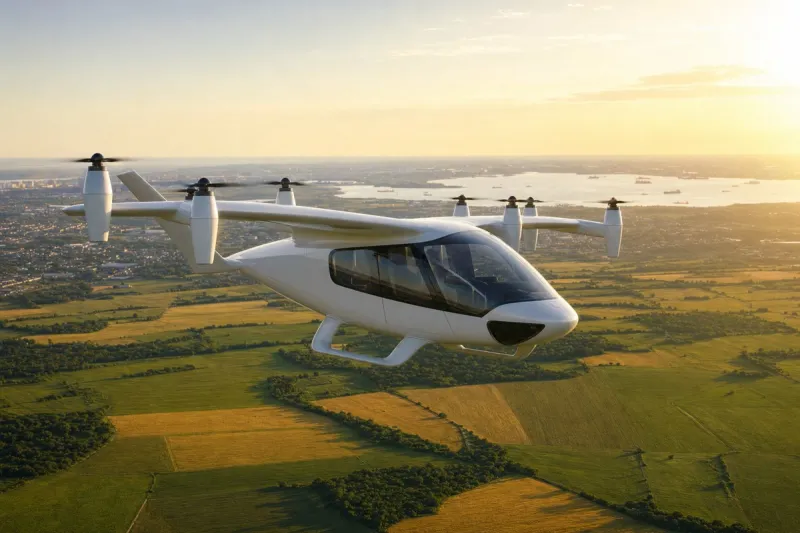
Caitlin Locke, the Federal Aviation Administration's Deputy Associate Administrator for Safety Oversight and Certification, said that even if the agency allows revenue-generating commercial operations by electric vertical takeoff and landing (eVTOL) aircraft that have not yet received type certification, such activity "will be very limited." In an interview with FlightGlobal published on October 27, she said any such request would face rigorous review and would have to be well justified by the lessons the FAA expects to draw from it, and that conditions and limitations would be placed on it.
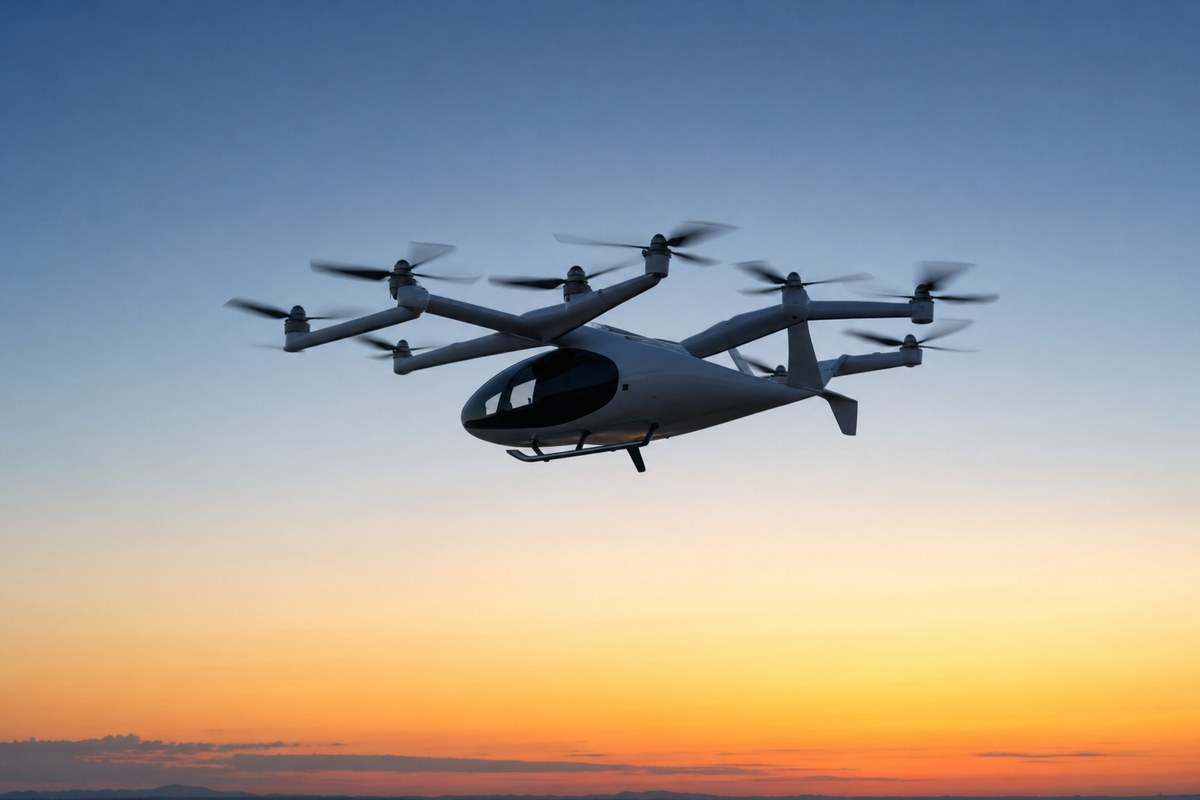
The eIPP program stems from an executive order signed by President Donald Trump in June 2025 to advance the U.S. drone and advanced aircraft industry. According to an FAA fact sheet, it rests on partnerships between government entities and companies and is not a way to bypass certification standards. In March 2026, eight partners were selected, including the transportation departments of Florida, Texas and Utah and the Port Authority of New York and New Jersey. Flights under the program currently carry mainly cargo and medical supplies.
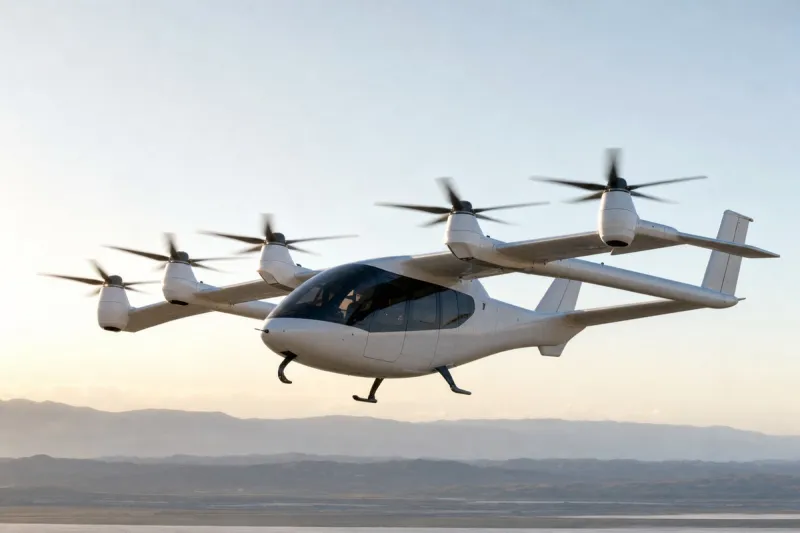
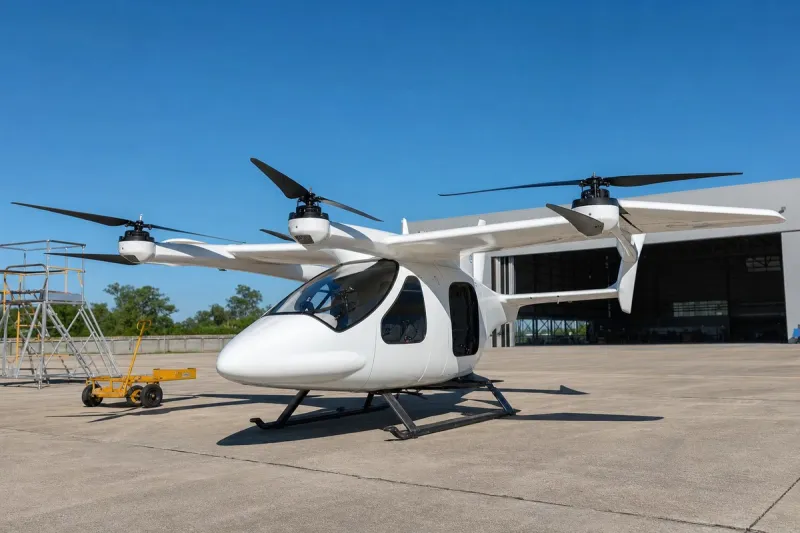
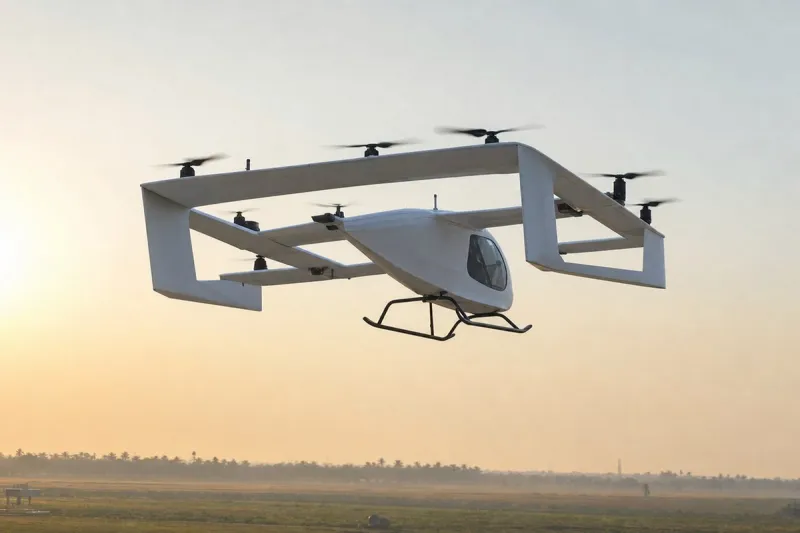
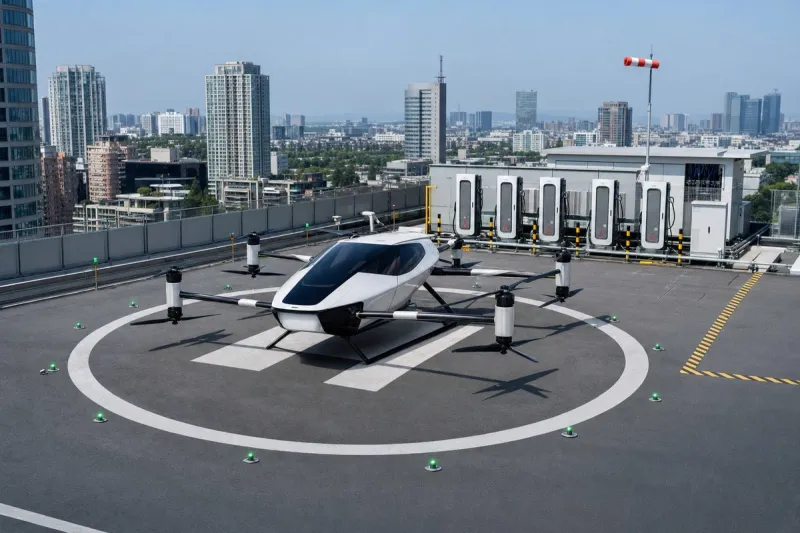
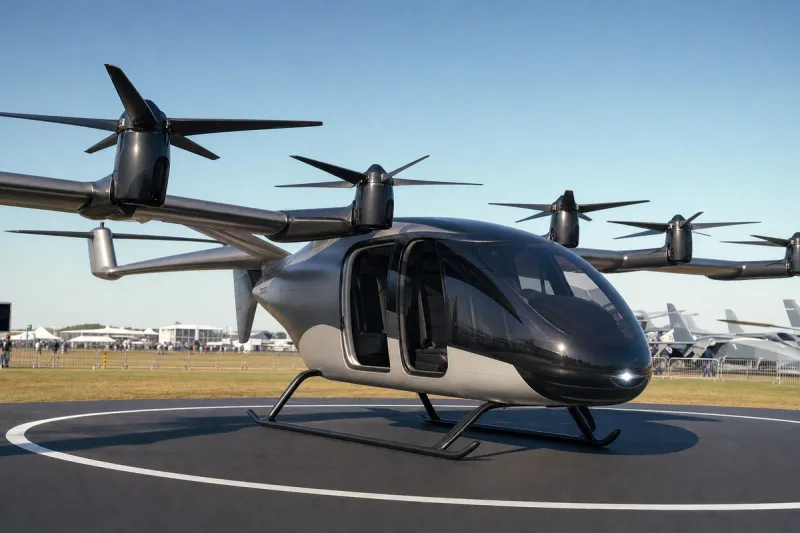
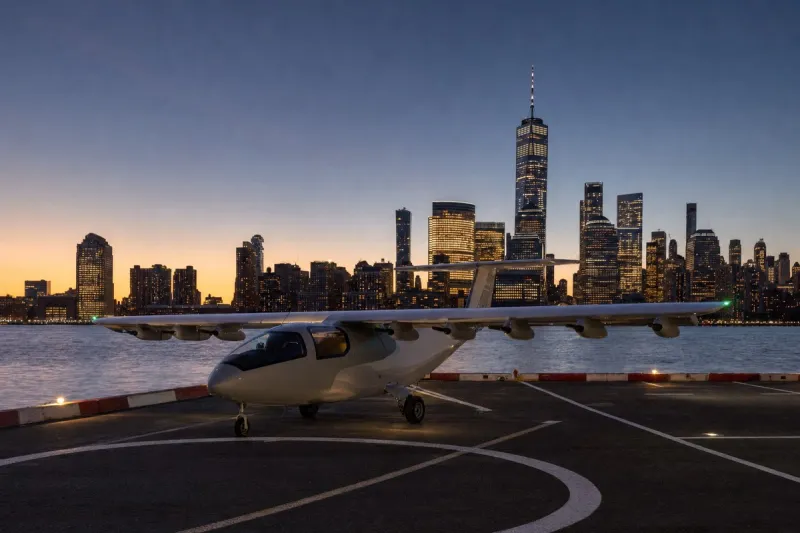
On October 21 the FAA issued Beta Technologies' Alia A250 a special airworthiness certificate for market survey, the first for an eVTOL aircraft. The certificate lets the company fly representatives of prospective operators but does not authorize commercial service. Transportation Secretary Sean Duffy called it "another critical step" for the future of aviation in the United States.
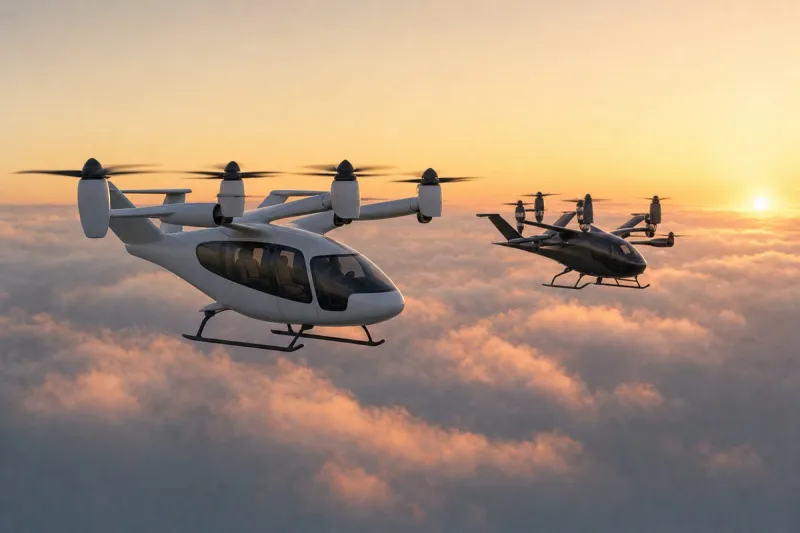
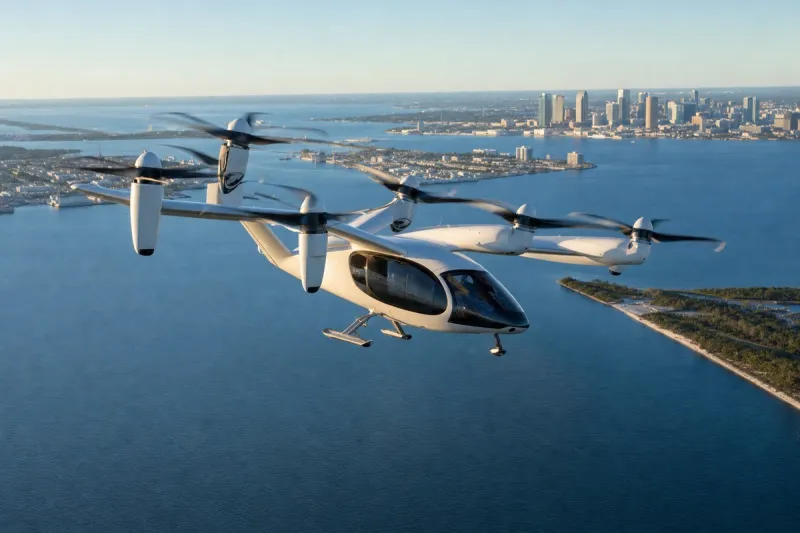
No leading company in the sector has yet received type certification. Joby is the only U.S. applicant to have reached the final stage of the certification process, while Archer says it is in the fourth and final stage of its own. Both had targeted starting commercial operations as early as 2026 under the pilot program, but Locke's remarks indicate that timeline is far from assured.